

UAE Expats: Is Now the Right Time to Remit? Weak Rupee and Peso Present Opportunities Against the Dirham

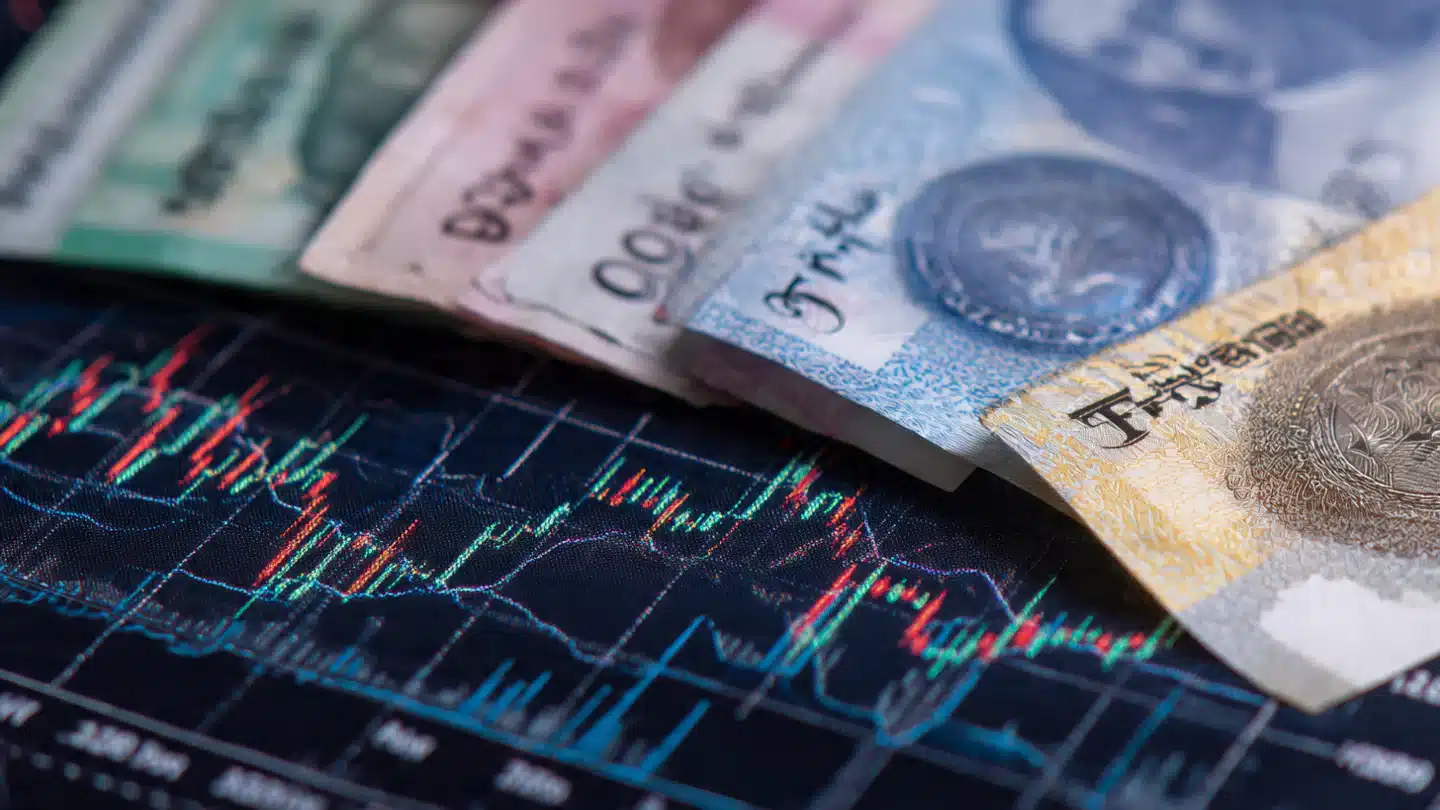
A decline in the Indian rupee, Pakistani rupee, and Philippine peso against the UAE dirham is presenting a lucrative remittance opportunity for expatriates in the UAE. As these currencies trade near multi-year lows, many workers are reconsidering their remittance strategies. Financial advisors are urging caution, emphasizing the importance of timing and planning in this favorable exchange environment, which allows senders to maximize the value of their money.
Currencies Stay Soft, UAE’s Dirham Gains Value
The ongoing weakness of several Asian currencies is proving beneficial for expatriates in the UAE who regularly send money back home. As of late January 2026, the Indian rupee was trading at approximately ₹24.95 per UAE dirham, marking one of its lowest points in recent years. Similarly, the Pakistani rupee was around 76.67 per dirham, while the Philippine peso hovered near 15.98 per dirham. Reports from local exchange houses indicate that this combination of weak currencies and a strong dirham has created a unique opportunity for expatriates, allowing each dirham sent home to stretch further than before.
This favorable exchange rate environment has prompted many expatriates to rethink their remittance timing. With the dirham gaining strength, senders can achieve more value for their money, making it an opportune moment for remittances. However, financial experts caution that while the current rates are advantageous, it is essential for senders to remain strategic in their approach to ensure they maximize their financial outcomes.
What’s Driving Currency Weakness?
Several factors are contributing to the current weakness of these currencies. Analysts point to broad global currency pressures, investor sentiment, and the dynamics of a strong dollar as key influences. The Indian rupee’s decline has been ongoing for several months, resulting in exchange rates nearing record lows. This trend has significantly boosted remittance flows, as expatriates take advantage of the favorable rates.
The Philippine peso’s recent volatility is attributed to political and economic uncertainties, coupled with slower domestic growth. This has led to depreciation and fluctuations in its value. Meanwhile, the Pakistani rupee, although not experiencing further declines recently, remains at historically weak levels, which continues to support steady remittance flows from expatriates.
These currency movements reflect a regional pattern where the strength of Gulf currencies, particularly the dirham, enhances the purchasing power of remitters based in the UAE. As expatriates navigate this landscape, understanding the underlying factors driving currency values becomes crucial for making informed remittance decisions.
Remittance Trends: Sneak Peek at Currency Flows and Value
The current currency environment is part of a broader trend of robust global remittance flows, which play a vital role in supporting household incomes and external spending in many developing countries. For instance, Pakistan recorded remittance inflows of approximately $3 billion in January 2025, demonstrating sustained year-on-year growth as overseas workers continued to send funds despite domestic economic challenges.
Economists and exchange specialists note that Gulf nations, particularly the UAE, are significant sources of foreign exchange for South Asian economies. This trend underscores the importance of remittances in maintaining family finances back home, especially when currency rates favor senders. The ongoing strength of the dirham against weaker currencies enhances the value of remittances, making it an essential consideration for expatriates looking to support their families.
As expatriates assess their remittance strategies, the favorable exchange rates present an opportunity to maximize the impact of their financial support. However, it is essential to remain aware of the broader economic context and potential shifts in currency values that could influence future remittance decisions.
Expert Views: To Remit Now or Wait?
Financial advisors and currency strategists emphasize that while current exchange rates are favorable, expatriates should consider their personal financial goals when deciding on remittance timing. Some families are opting for a split transfer strategy, sending part of their funds now to lock in advantageous rates while holding back the remainder in case rates fluctuate in the coming weeks.
Market volatility is a reminder that currency markets are influenced by various macroeconomic factors, including global interest rates and geopolitical developments. While the current levels are beneficial, they could change if currencies rebound. Experts recommend a measured approach to remittances, suggesting that expatriates avoid sending all their funds at once.
For Indian expatriates, the rupee’s low value against the dirham means higher purchasing power for every dirham sent home. Pakistani expatriates also benefit from the stable remittance value offered by the weak rupee. Filipino expatriates, facing volatility due to domestic economic factors, are advised to lock in favorable rates for planned transfers while remaining vigilant about potential shifts.
Observer Voice is the one stop site for National, International news, Sports, Editor’s Choice, Art/culture contents, Quotes and much more. We also cover historical contents. Historical contents includes World History, Indian History, and what happened today. The website also covers Entertainment across the India and World.
Follow Us on Twitter, Instagram, Facebook, & LinkedIn

