

UAE Announces Strategic Exit from OPEC and OPEC+ Effective May 1

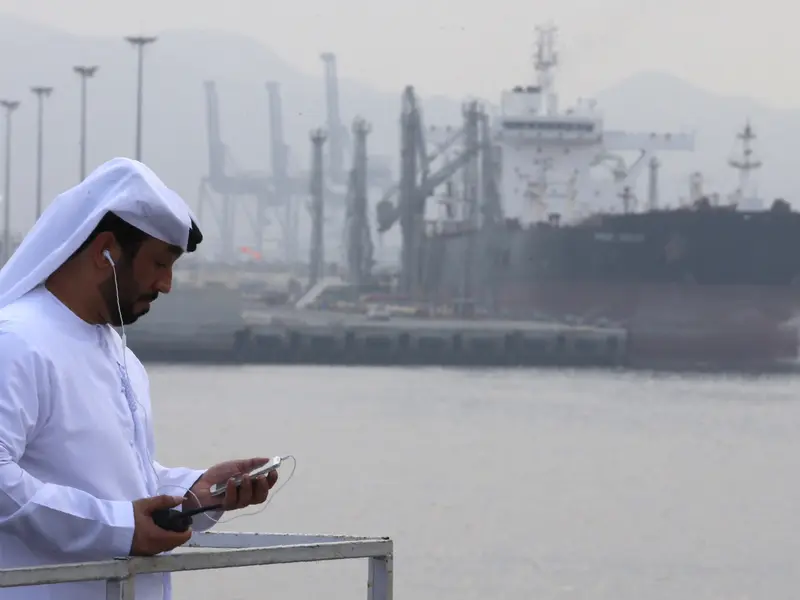
In a significant shift in the global oil landscape, the United Arab Emirates (UAE) has announced its decision to withdraw from OPEC and OPEC+ effective May 1. This move, reported by state media, is part of the UAE’s long-term strategic vision and evolving energy profile. UAE Energy Minister Suhail Mohamed al-Mazrouei emphasized that the decision followed a thorough review of the nation’s energy strategy, indicating a potential change in the dynamics of oil production and pricing.
Reasons Behind the Withdrawal
The UAE’s exit from OPEC and OPEC+ stems from a desire to align its oil production strategies with its national interests. Minister al-Mazrouei stated that the decision was made after careful consideration of current and future policies regarding production levels. He clarified that the UAE did not consult with other countries, including Saudi Arabia, before making this announcement. This unilateral decision highlights the UAE’s intention to pursue its energy goals independently, which may include increasing oil output significantly in the coming years.
Analysts suggest that the UAE’s departure could weaken OPEC’s influence over global oil prices. The UAE is one of the few member countries with substantial spare capacity, which has historically allowed OPEC to manage market dynamics effectively. The withdrawal indicates a shift in the balance of power within the organization, potentially leading to a more volatile oil market in the future.
Market Implications
Despite concerns about the impact of the UAE’s withdrawal, Minister al-Mazrouei reassured that there would not be an immediate effect on the oil market. He pointed to existing disruptions in the Strait of Hormuz, a critical passage for a significant portion of the world’s crude oil and liquefied natural gas. The region has faced challenges due to Iranian threats and attacks on vessels, complicating shipping for Gulf producers.
Industry experts believe that the UAE’s exit could lead to a structurally weaker OPEC. Jorge Leon, an analyst at Rystad, noted that the UAE’s departure might diminish the organization’s ability to influence prices effectively. The UAE’s significant spare capacity has been a crucial element in OPEC’s strategy, and its absence could result in increased market volatility.
Shifting Alliances and Future Outlook
The UAE’s decision also reflects a broader trend of diverging interests within OPEC, particularly between the UAE and Saudi Arabia. Ajay Parmar, Director of Energy and Refining at ICIS, pointed out that the UAE has disagreed with OPEC’s broader policies for some time. This divergence may signal a weakening of the historically strong alliance between the two Gulf nations.
Furthermore, Sergey Vakulenko from the Carnegie Russia Eurasia Center highlighted the UAE’s ambitions to increase oil output by up to 30%, a goal that may be challenging to achieve under OPEC’s production quotas. The UAE’s withdrawal could pave the way for a more aggressive approach to oil production, potentially reshaping the global oil market landscape.
Political Context and Reactions
The UAE’s exit from OPEC may also have political implications, particularly in relation to its stance on regional security issues. The UAE has publicly criticized fellow Arab states for what it perceives as inadequate responses to Iranian aggression. Anwar Gargash, a diplomatic adviser to the UAE president, emphasized that while Gulf states support each other logistically, their political and military cooperation has historically been weak.
This decision may also resonate with U.S. interests, as President Donald Trump has frequently criticized OPEC for maintaining high oil prices. The UAE’s move could be interpreted as a shift towards greater independence in its energy policy, potentially aligning more closely with U.S. expectations for increased oil production. As the situation evolves, the implications of the UAE’s withdrawal from OPEC will continue to unfold, impacting both the oil market and geopolitical dynamics in the region.
Observer Voice is the one stop site for National, International news, Sports, Editor’s Choice, Art/culture contents, Quotes and much more. We also cover historical contents. Historical contents includes World History, Indian History, and what happened today. The website also covers Entertainment across the India and World.
Follow Us on Twitter, Instagram, Facebook, & LinkedIn

