

Thai Prime Minister Dissolves Parliament, Aiming to ‘Return Power to the People’

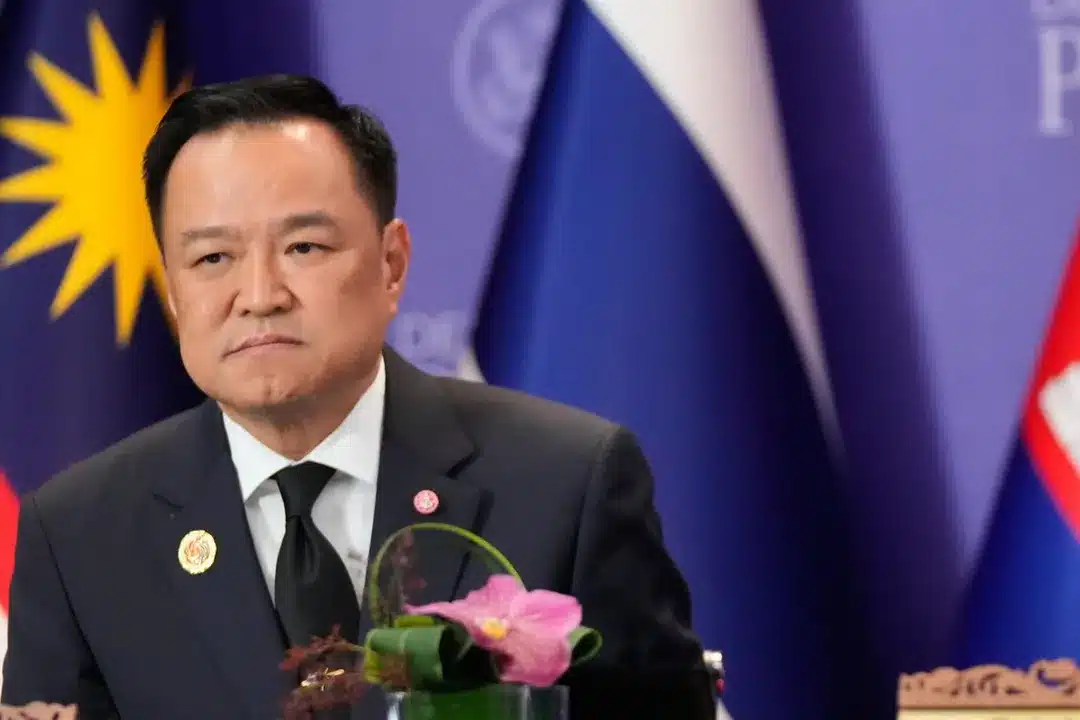
Thailand has officially dissolved its parliament following a week of escalating tensions along its border with Cambodia. Prime Minister Anutin Charnvirakul announced the decision in a royal decree, citing the need to address the ongoing border conflict and other challenges faced by his minority government. A general election is expected to take place within the next 45 to 60 days, marking a significant shift in the political landscape of the country.
Political Turmoil and Border Clashes
The dissolution of parliament comes amid renewed fighting with Cambodia, which has resulted in at least 20 fatalities and the displacement of hundreds of thousands. Prime Minister Anutin, who has been in office for just three months, stated that the government had exhausted all means to manage the urgent issues facing the nation. He emphasized the necessity of political stability for effective governance. Anutin’s administration has faced criticism for its handling of various crises, including severe flooding in southern Thailand that claimed the lives of at least 176 people last month. The prime minister’s decision to dissolve parliament was influenced by an impending vote of no confidence, prompting him to expedite the election process.
Challenges for the Bhumjaithai Party
Anutin leads the Bhumjaithai party, which has encountered significant backlash for its governance. The party lost the support of the progressive People’s Party, the largest faction in parliament, which had previously backed Anutin’s leadership. The People’s Party accused Bhumjaithai of failing to fulfill its commitments, including calls for reforms to Thailand’s military-drafted constitution and the dissolution of parliament within a specified timeframe. As tensions mounted, the opposition bloc planned to submit a no-confidence motion against Anutin’s government, highlighting the growing discontent among political factions.
Recent Political History
Thailand’s political landscape has been tumultuous over the past year, with two prime ministers removed from office by the courts. Anutin’s predecessor, Paetongtarn Shinawatra, was dismissed for ethical violations after making controversial remarks about Cambodia’s former leader. Similarly, Srettha Thavisin, who held office before her, was ousted for appointing a cabinet member with a criminal past. These events underscore the instability that has characterized Thai politics, leading to Anutin’s current predicament as he seeks to navigate a path forward amid mounting challenges.
Looking Ahead: The Upcoming Election
With the parliament dissolved, Thailand is poised for a general election that could reshape its political future. Anutin’s call for elections within 45 to 60 days reflects a response to the urgent need for a stable government capable of addressing the pressing issues facing the nation. As the political landscape shifts, the upcoming election will be closely watched, both domestically and internationally, as citizens seek a resolution to the ongoing crises and a return to effective governance.
Observer Voice is the one stop site for National, International news, Sports, Editor’s Choice, Art/culture contents, Quotes and much more. We also cover historical contents. Historical contents includes World History, Indian History, and what happened today. The website also covers Entertainment across the India and World.
Follow Us on Twitter, Instagram, Facebook, & LinkedIn

