

Surging RAM Prices Driven by AI Demand: A Simple Explanation

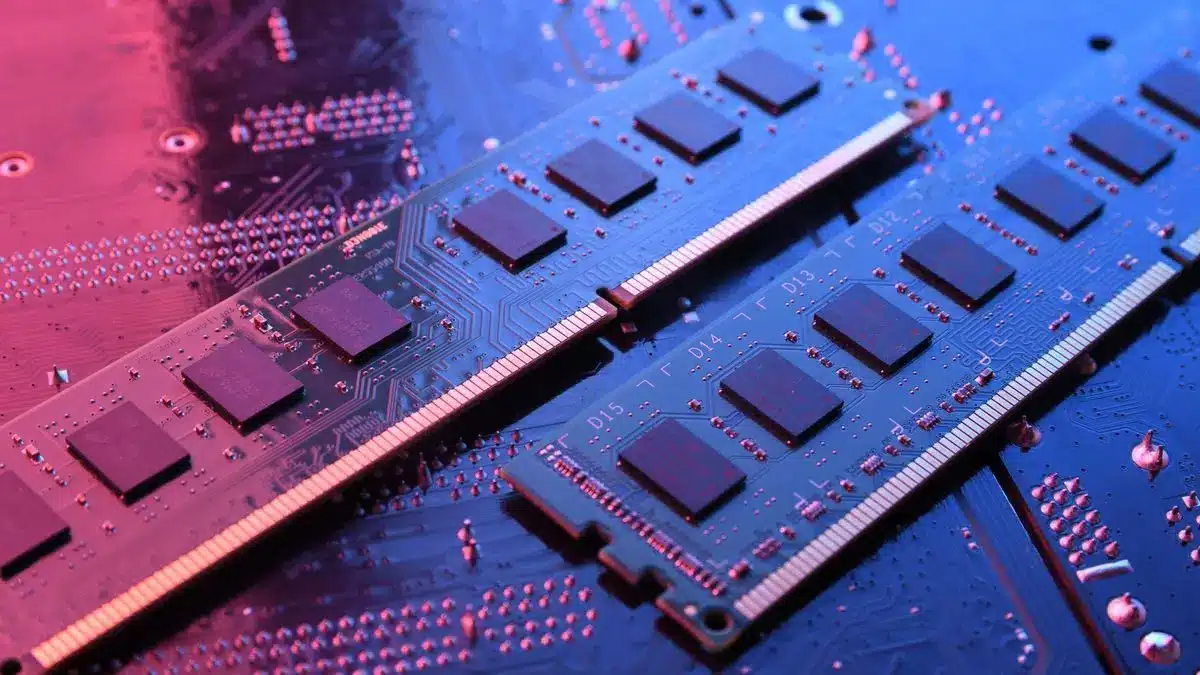
RAM, or Random Access Memory, is a crucial element in a wide range of electronic devices, including smartphones, laptops, gaming consoles, and even vehicles. Recently, the prices of RAM have surged, prompting concerns among smartphone manufacturers who are bracing for potential price increases. A notable decision by Samsung’s semiconductor division to decline a RAM supply request from its mobile division has raised eyebrows, as the company aims to enhance profitability. The driving force behind these rising prices appears to be the escalating demand for RAM due to advancements in artificial intelligence.
AI and the Ever-Increasing Need for Data Centers
The rapid advancement of artificial intelligence has led major tech companies like OpenAI, Google, and Meta to invest heavily in building expansive data centers. These facilities are essential for supporting the growing computational demands of AI technologies. For instance, Google has recently opened large data centers in locations such as Visakhapatnam, India. A report from The Economic Times highlighted a partnership between Adani Enterprises and Google to establish the largest data center campus in India. Within these data centers, the importance of RAM and storage cannot be overstated, as high-performance GPUs that power AI applications require substantial amounts of High Bandwidth Memory (HBM).
How GPUs Are Eating Up Space for Consumer-Grade RAM
The increasing reliance on AI chipsets, particularly NVIDIA’s GPUs, has created a significant demand for High Bandwidth Memory (HBM). To produce HBM, manufacturers like Samsung, SK Hynix, and Micron are prioritizing this specialized memory over standard RAM types, such as DDR5. This shift is largely driven by the pursuit of higher profits, as companies focus on meeting the needs of AI workloads. Consequently, the production of consumer-grade RAM has diminished, leading to shortages and escalating prices. Micron, a key player in the memory market, recently announced the closure of its Crucial brand, which was well-known for consumer-grade RAM, particularly in gaming. This move underscores the growing demand for HBM and its impact on the availability of regular consumer RAM.
Analysts Predict Supply Constraints and Increased Smartphone Prices
Research from IDC indicates that supply constraints in the RAM market could lead to higher prices, particularly affecting low-to-mid-range Android devices that are sensitive to price fluctuations. IDC forecasts a slight decline in smartphone shipments by 2026, suggesting that manufacturers will need to adopt various strategies to maintain their market share. As memory components become scarcer and more expensive, manufacturers face mounting pressure to raise prices. Anthony Scarsella, research director at IDC’s Worldwide Quarterly Mobile Phone Tracker, noted that while some original equipment manufacturers (OEMs) may need to increase prices, others might shift their focus toward higher-margin models to mitigate the impact of rising memory costs on their bill of materials.
Observer Voice is the one stop site for National, International news, Sports, Editor’s Choice, Art/culture contents, Quotes and much more. We also cover historical contents. Historical contents includes World History, Indian History, and what happened today. The website also covers Entertainment across the India and World.

