

Sri Lanka Raises Fuel Prices by 25% Amid Middle East Tensions Impacting Global Oil Supplies

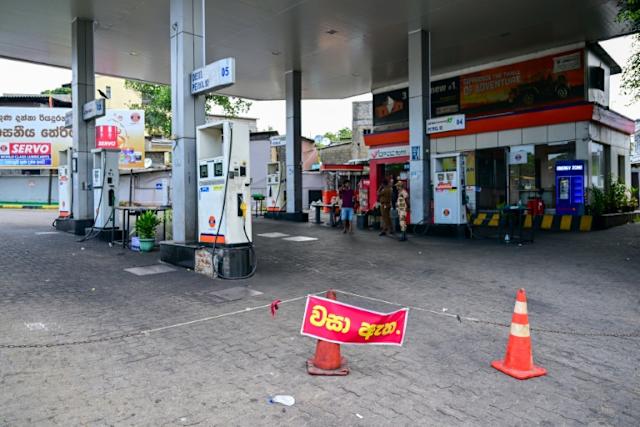
Sri Lanka has implemented a significant fuel price hike of approximately 25 percent, marking the second increase in just a week. This adjustment, effective from midnight, is a response to the ongoing conflict in the Middle East, which has disrupted global energy markets. The turmoil, particularly the escalating tensions between the U.S. and Iran, has led to the closure of the crucial Strait of Hormuz, impacting fuel availability and prices in Sri Lanka.
Details of the Price Increase
The recent price revision affects various fuel types, with auto diesel seeing a rise of 26.1 percent, increasing from LKR 303 to LKR 382 per litre. Super diesel has also surged by 25.5 percent, now priced at LKR 443, up from LKR 353. Petrol prices have similarly escalated, with 92 octane petrol climbing 25.6 percent to LKR 398 and 95 octane petrol increasing by 24.7 percent to LKR 455. Kerosene has experienced the most significant jump, rising by 30.8 percent to LKR 255 from LKR 195. This marks the third fuel price hike since March 1, as the conflict in the Middle East continues to disrupt oil markets.
Impact on Public Transport
The steep increase in fuel prices has raised alarms among transport operators in Sri Lanka. Gamunu Wijeratne, chairman of the Lanka Private Bus Owners’ Association, expressed concerns that up to 90 percent of non-state buses could be taken off the roads unless fares are adjusted. He emphasized the need for a minimum 15 percent fare increase to ensure operational viability. The association has threatened to initiate a nationwide strike if the government does not respond with a fare revision. The National Transport Commission (NTC) has indicated that the recent diesel price increase would lead to a fare rise of over 10 percent, with Cabinet approval for revised fares expected soon.
Broader Economic Concerns
The latest fuel price hike has sparked criticism from opposition leaders, who argue that the government’s tax policies exacerbate the financial burden on consumers. They highlighted that the government collects substantial taxes on fuel, approximately LKR 119 per litre for petrol and LKR 93 per litre for diesel. Calls have been made to eliminate these taxes to alleviate the financial strain on the public. Analysts have warned that this increase in fuel prices could lead to inflation rising by 5 to 8 percent, further complicating the economic landscape in Sri Lanka.
Government’s Response and Future Outlook
Despite the price hikes, government officials maintain that the state continues to subsidize fuel costs significantly, with a monthly subsidy burden of around LKR 20 billion. Government spokesman Nalinda Jayatissa noted that without these revisions, the state would face an additional financial burden of approximately $1.5 billion. He urged the public to use fuel and electricity judiciously and warned against hoarding. The situation remains fluid, and the government’s next steps will be closely monitored as the country navigates these challenging economic conditions.
Observer Voice is the one stop site for National, International news, Sports, Editor’s Choice, Art/culture contents, Quotes and much more. We also cover historical contents. Historical contents includes World History, Indian History, and what happened today. The website also covers Entertainment across the India and World.
Follow Us on Twitter, Instagram, Facebook, & LinkedIn

