

Rupee Hits Record Low of 92.05 Against Dollar Amid Oil Price Surge and Foreign Outflows

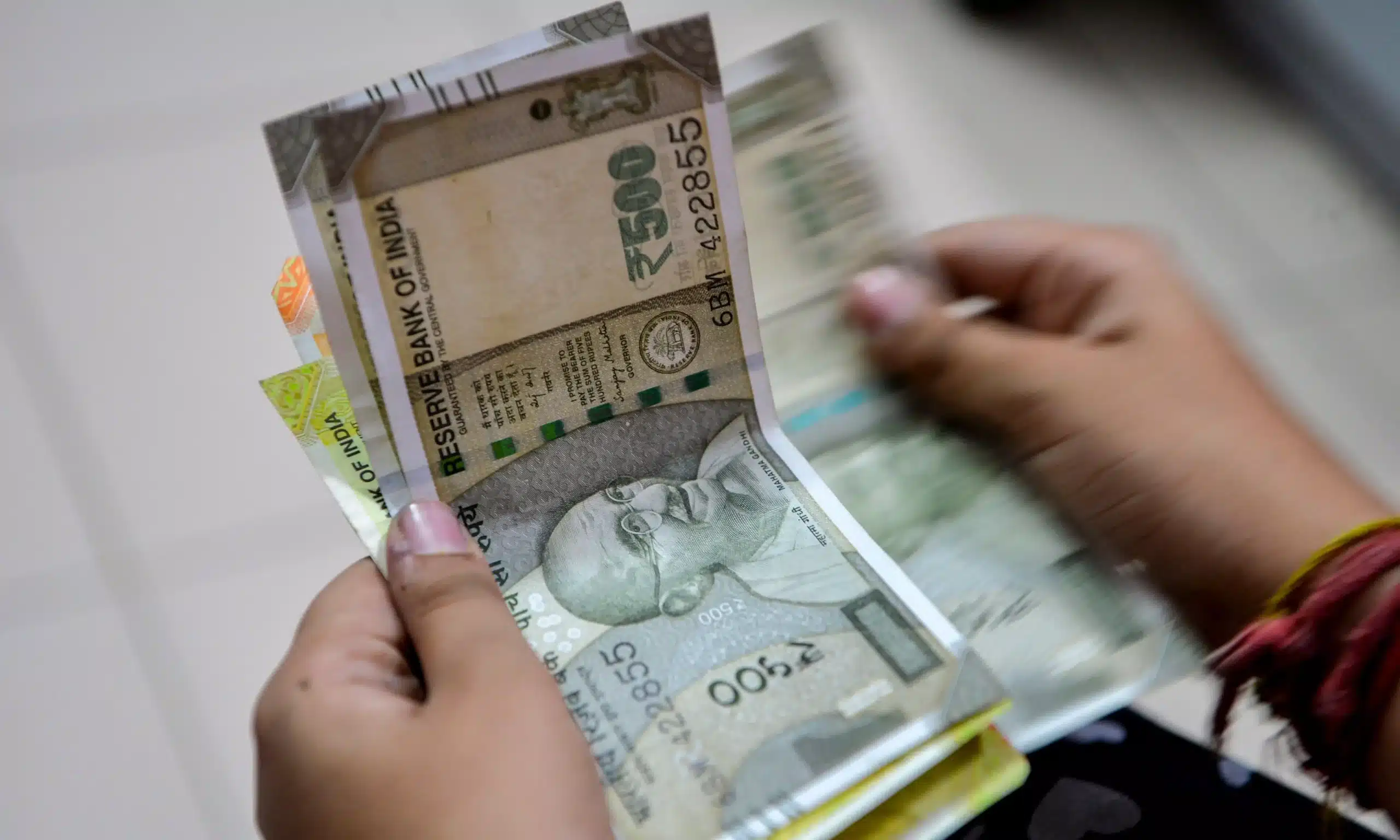
The Indian rupee faced a significant decline on Wednesday, reaching an unprecedented closing low of 92.05 against the US dollar. This drop was largely attributed to soaring crude oil prices and a global risk aversion linked to escalating tensions in Iran. The rupee depreciated by 56 paise during the trading session, influenced by rising energy costs, foreign fund outflows, and a general downturn in domestic equities.
Market Dynamics and Currency Performance
At the interbank foreign exchange market, the rupee opened at 92.05 and fell to an intraday low of 92.35 against the dollar before closing at its record low. The domestic forex market had been closed the previous day due to the Holi holiday, and on Monday, the rupee had already weakened by 41 paise, settling at 91.49. Forex traders noted that the ongoing conflict between the US and Iran has created a risk-off sentiment, which has strengthened the dollar and put additional pressure on emerging market currencies, including the rupee.
On Wednesday, foreign investors sold equities worth Rs 8,752.65 crore on a net basis, further contributing to the rupee’s decline. Anil Kumar Bhansali, Head of Treasury at Finrex Treasury Advisors LLP, explained that the escalating conflict in the Middle East and rising oil prices have diminished investor risk appetite. Higher oil prices raise inflation concerns and fiscal pressures for India, a major oil importer, leading to increased selling in bonds and rising yields.
Global Economic Impact
The dollar index, which measures the greenback against a basket of six currencies, was trading 0.23 percent lower at 98.82. Bhansali noted that the dollar index has comfortably crossed the 98 mark amid the prevailing risk-off sentiment, which has adversely affected stock and bond markets, as well as precious metals like gold and silver.
Brent crude, the global oil benchmark, was trading 1.29 percent higher at USD 82.46 per barrel, driven by supply concerns following US attacks on Iran and Tehran’s retaliatory actions. These developments have raised fears regarding energy flows through the critical Strait of Hormuz, further complicating the economic landscape for oil-importing nations like India.
Future Outlook for the Rupee
Dilip Parmar, a Research Analyst at HDFC Securities, indicated that the Indian rupee has experienced its steepest two-session decline since May 2025. The surge in energy prices has intensified fears of persistent inflation and a widening trade deficit. This prevailing risk-off sentiment, combined with high energy costs, is expected to keep the rupee under pressure in the near term. Investors are closely monitoring the situation in the Middle East, as a prolonged conflict could drive up import costs for energy and precious metals while hindering export growth.
Parmar also highlighted that the spot USDINR pair faces immediate resistance at 92.60, with key support seen at 91.80. Meanwhile, the domestic equity market has also been affected, with the BSE Sensex dropping 1,122.66 points to close at 79,116.19, and the NSE Nifty declining by 385.20 points to settle at 24,480.50. The overall economic climate remains uncertain as investors navigate these turbulent waters.
Observer Voice is the one stop site for National, International news, Sports, Editor’s Choice, Art/culture contents, Quotes and much more. We also cover historical contents. Historical contents includes World History, Indian History, and what happened today. The website also covers Entertainment across the India and World.

