

Rupee Hits All-Time Low of 91.99 Against Dollar Due to Foreign Outflows and Global Risk Aversion

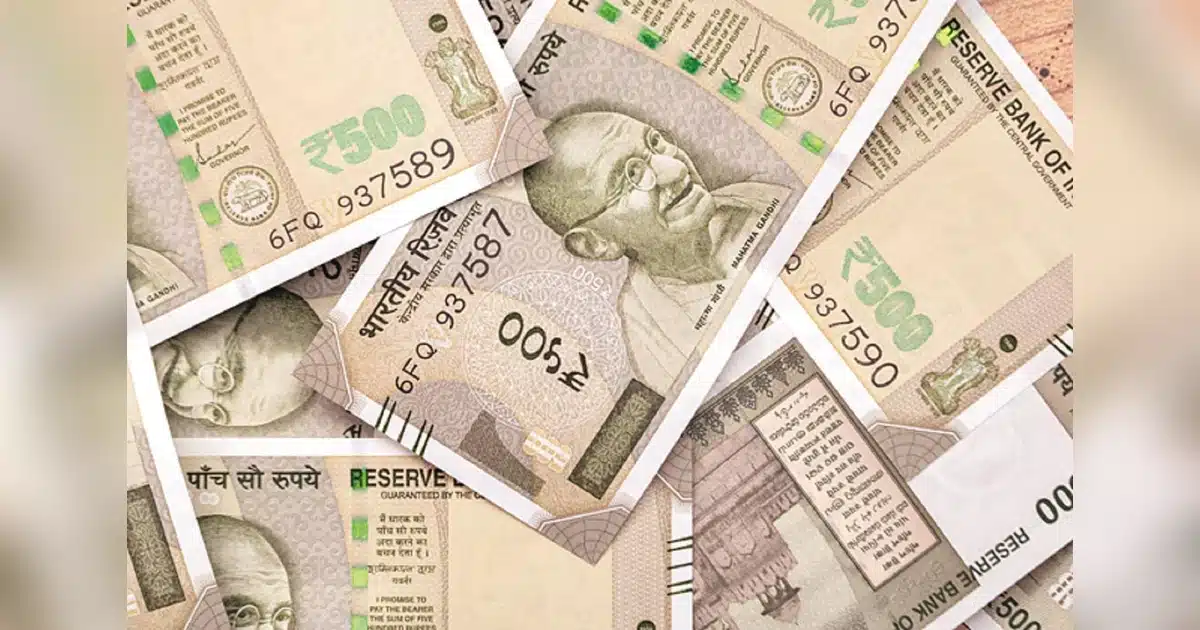
The Indian rupee has reached a historic low, closing at 91.99 against the US dollar on Wednesday. This decline is attributed to ongoing foreign fund selling and a risk-averse sentiment in global markets. Despite some relief from falling crude prices and a weaker dollar, the rupee struggled to maintain its strength, reflecting broader economic uncertainties and geopolitical tensions.
Rupee’s Performance in the Forex Market
On Wednesday, the rupee opened at 91.95 in the interbank foreign exchange market and briefly strengthened to a high of 91.82. However, it quickly lost momentum, hitting an intra-day low of 92 before settling at 91.99. This marks a significant drop, as the rupee had already declined by 31 paise earlier in the day, revisiting its lowest-ever closing level. The last time the rupee recorded an intra-day low of 92 was on January 23. Forex traders indicated that the rupee’s pressure intensified due to heightened global uncertainty and continued foreign portfolio outflows. The earlier surge in crude oil prices also contributed to the negative sentiment surrounding the currency.
Economic Factors Influencing the Rupee
Finance Minister Nirmala Sitharaman presented the Economic Survey in Parliament, highlighting risks associated with the external sector and volatile capital flows. The dollar index, which measures the greenback against a basket of six major currencies, was down by 0.07% at 96.37. Meanwhile, Brent crude oil prices fell by 1.83%, trading at USD 69.64 per barrel. Analysts suggest that the persistent strength of the dollar, elevated US bond yields, and ongoing foreign portfolio outflows have put pressure on emerging market currencies, including the rupee. Akshat Garg from Choice Wealth noted that while the Reserve Bank of India (RBI) may intervene to manage excessive volatility, it is unlikely to aggressively defend any specific exchange rate level.
Market Reactions and Future Outlook
Anuj Choudhary, a research analyst at Mirae Asset Sharekhan, commented on the rupee’s all-time low, attributing it to geopolitical uncertainties and foreign outflows. He also pointed out that the rise in crude oil prices has negatively impacted the rupee. Despite these challenges, positive trends in domestic markets and a weaker dollar have provided some cushion against further declines. Choudhary anticipates that the USD-INR spot will trade within the range of Rs 91.60 to Rs 92.20 in the near term.
Domestic Equity Market Performance
On the equity front, the Sensex rose by 221.69 points, closing at 82,566.37, while the Nifty gained 76.15 points, ending at 25,418.90. However, foreign institutional investors sold equities worth Rs 393.97 crore during the session, according to exchange data. The Economic Survey emphasized that the rupee’s depreciation does not accurately reflect India’s economic strength, suggesting that the currency is “punching below its weight.” The report also noted that investor reluctance to commit funds should be examined, especially given the favorable growth outlook and controlled inflation.
Observer Voice is the one stop site for National, International news, Sports, Editor’s Choice, Art/culture contents, Quotes and much more. We also cover historical contents. Historical contents includes World History, Indian History, and what happened today. The website also covers Entertainment across the India and World.
Follow Us on Twitter, Instagram, Facebook, & LinkedIn

