

RBI Advises Banks to Allocate Funds for Potential Defaults

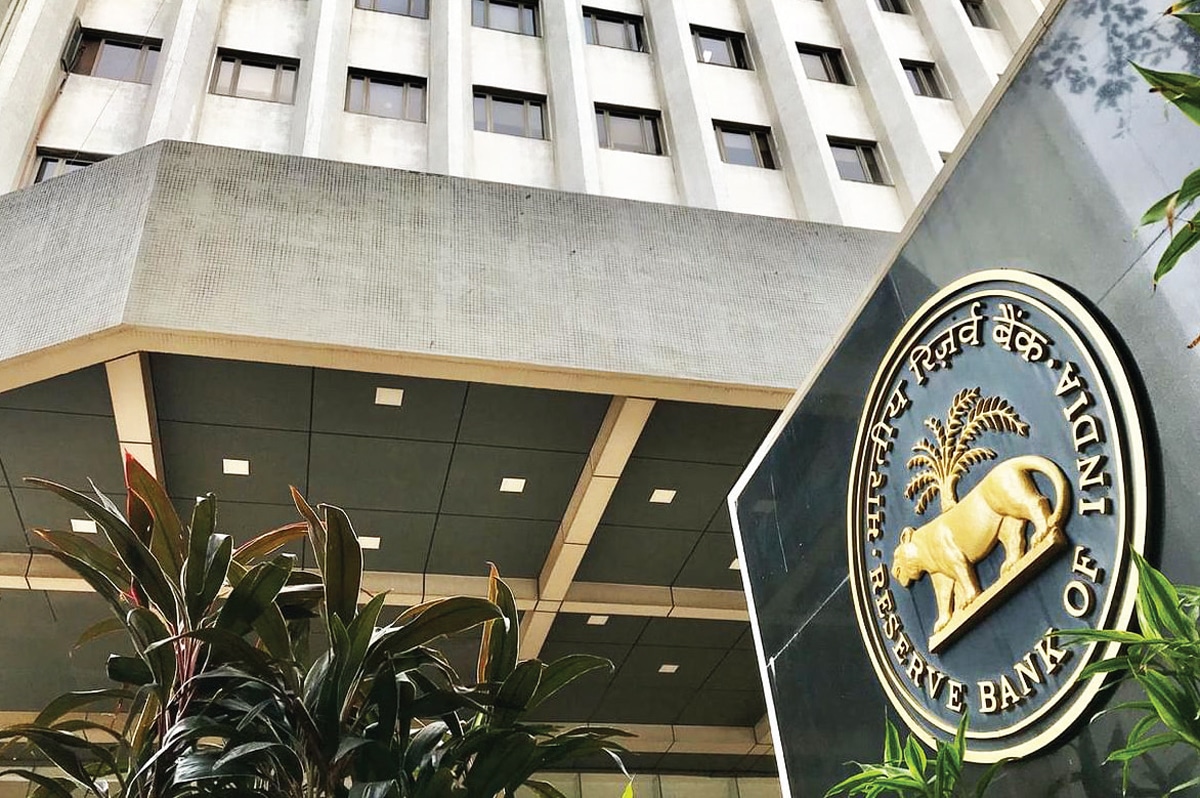
Mumbai’s banking sector is set to undergo a significant transformation as the Reserve Bank of India (RBI) has announced new regulations that will require banks to proactively set aside funds for potential loan defaults starting April 2027. This shift from a reactive to a forward-looking approach, known as ‘expected credit loss,’ aims to enhance financial stability by allowing banks to estimate risks before defaults occur. The final guidelines, issued on April 27, 2026, reflect a more balanced stance from the RBI, incorporating feedback from earlier proposals while expanding the scope to include small finance banks.
New Framework for Loan Default Provisions
Under the new regulations, banks will no longer wait for borrowers to default before recognizing potential losses. Instead, they will employ mathematical models to predict loan defaults, marking a significant shift in how bad loans are accounted for. This proactive approach is designed to improve the resilience of the banking sector by ensuring that financial institutions are better prepared for potential losses. While the new rules are stricter than current practices, they are less severe than the draft regulations proposed in October 2025, indicating the RBI’s effort to strike a balance between regulatory oversight and operational feasibility for banks.
The guidelines also broaden the scope of applicability. Initially, the draft regulations were primarily targeted at large commercial banks, leaving out smaller institutions. However, the final rules now encompass small finance banks, ensuring that a wider range of banking entities adheres to the new standards. Notably, payments banks, local area banks, and regional rural banks remain excluded from this framework.
Adjustments to Risk Assessment Criteria
The RBI has made key adjustments to the assumptions banks use when estimating risks. The minimum default risk that banks must consider has been slightly reduced, which could ease the financial burden on institutions. Additionally, loans secured by strong collateral—such as cash, gold, and government securities—will be treated more favorably under the new guidelines. This means that banks will need to allocate less capital against these types of loans compared to earlier proposals, potentially improving lending conditions for borrowers with solid collateral.
As banks prepare for the transition, they will begin implementing the new system on April 1, 2027, with a deadline of March 31, 2030, to fully adapt their existing loans to the new interest calculation method. During this transition, banks will need to reassess the value of all their loans, with any resulting impacts being adjusted directly in their reserves rather than affecting their profit and loss statements.
Impact on Banking Operations and Borrower Classification
The transition to the new framework is expected to have varying impacts on different banks. Analysts predict that public sector banks may see a one-time impact of around 5-10% on their net worth, but the RBI has allowed these institutions to absorb this through reserves over a four-year amortization period. In contrast, private sector banks are anticipated to experience minimal impact, with potential provisions available for offsetting any financial strain.
Another significant change in the final norms is the removal of the waiting period for borrowers who have defaulted but later return to regular payment status. Banks can now promptly reclassify these accounts back to a standard category, streamlining the process for borrowers who demonstrate financial recovery. Additionally, the new rules stipulate that if borrowers exceed their credit limits for 60 days, it may be considered a sign of increasing risk, prompting banks to take appropriate action.
Enhanced Oversight and Classification of Loans
To ensure the integrity of the new system, the RBI has introduced stricter oversight measures for the models banks will use to predict losses. Banks will be required to maintain a comprehensive list of these models, categorizing them based on their significance. Furthermore, there will be mandatory checks at three levels: business units, risk management teams, and internal auditors. This multi-tiered approach aims to enhance accountability and accuracy in risk assessment.
The final regulations also emphasize the need for clearer classification of loans to prevent the mixing of low-risk and high-risk assets. By establishing distinct categories, the RBI aims to promote transparency and improve the overall health of the banking sector. As banks adapt to these new guidelines, the focus will be on fostering a more resilient financial environment that can better withstand economic fluctuations and protect the interests of both lenders and borrowers.
Observer Voice is the one stop site for National, International news, Sports, Editor’s Choice, Art/culture contents, Quotes and much more. We also cover historical contents. Historical contents includes World History, Indian History, and what happened today. The website also covers Entertainment across the India and World.
Follow Us on Twitter, Instagram, Facebook, & LinkedIn

