

Pulses Decline as $500 Billion Purchase Clause Updated: Key Highlights from the Revised India-US Trade Deal Factsheet

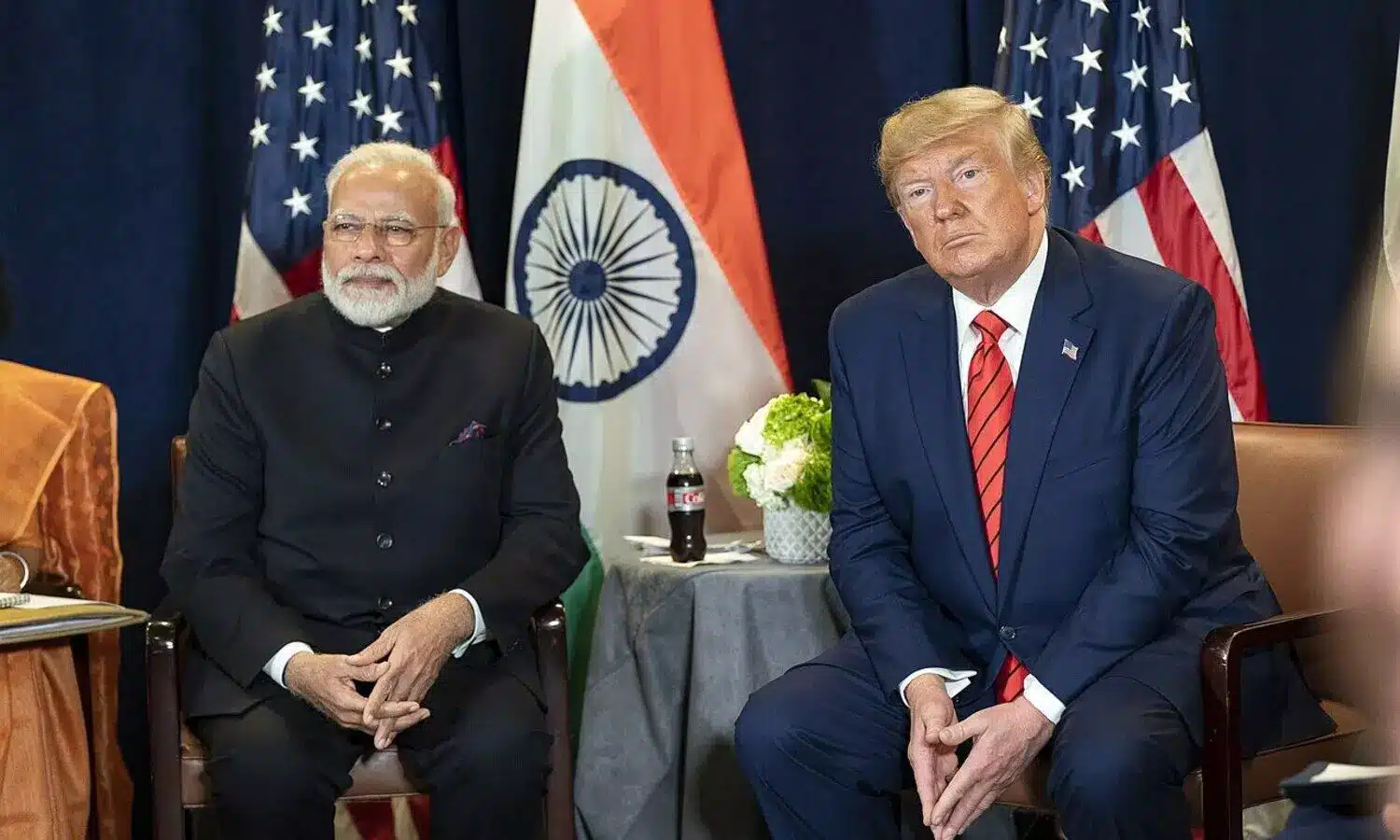
The United States has made significant revisions to its factsheet regarding the recently announced trade deal with India, altering key details that were initially presented. The updated document removes references to specific agricultural products, including pulses, and modifies the language surrounding India’s commitment to purchasing $500 billion worth of American goods. These changes come after the two nations reached an interim agreement following extensive negotiations, which began in February 2025, and were solidified during a conversation between Prime Minister Narendra Modi and President Donald Trump.
Changes in Trade Deal Details
The revised factsheet from the White House has notably omitted any mention of pulses, which were included in the original document. Initially, the factsheet stated that India would eliminate or reduce tariffs on a variety of U.S. industrial goods and agricultural products, including dried distillers’ grains, red sorghum, tree nuts, and soybean oil. The removal of pulses from the updated version raises questions about the specifics of the trade agreement and the products that will be affected by tariff changes. This alteration reflects a shift in the negotiation dynamics between the two countries as they work towards finalizing the terms of their trade relationship.
Modification of Purchase Commitments
Another significant change in the updated factsheet pertains to India’s commitment to purchasing American goods. The original document indicated that India was “committed” to buying over $500 billion worth of U.S. products. However, the revised version has softened this language to state that India “intends” to make these purchases. This shift in wording suggests a more tentative approach to the agreement, with the removal of agricultural goods from the list of products further indicating a narrowing of focus. The updated factsheet now emphasizes U.S. energy, information and communication technology, and coal, but lacks the earlier emphasis on agricultural products.
Digital Services Tax and Trade Rules
The updated factsheet also reflects changes regarding India’s digital services tax. The original version stated that India would remove its digital services taxes and commit to negotiating a robust set of bilateral digital trade rules. The revised document, however, no longer mentions the removal of these taxes. Instead, it focuses solely on India’s commitment to negotiate rules that address discriminatory practices and barriers to digital trade. This change highlights the ongoing complexities in the digital trade landscape and the challenges both nations face in reaching a comprehensive agreement.
Background of the Trade Agreement
The interim trade agreement between the United States and India was reached after nearly a year of negotiations, which were marked by challenges, including tariff disputes. The agreement aims to reduce duties on a wide range of Indian exports, bringing them down from 50% to 18% for various sectors, including textiles, leather, and machinery. The discussions gained momentum following a phone call between PM Modi and President Trump, where they outlined a framework for the agreement. The trade talks had previously stalled due to the imposition of tariffs by the U.S., which were justified by allegations regarding India’s role in supporting Russia amid the ongoing conflict in Ukraine. As both nations continue to navigate these negotiations, the revisions to the factsheet underscore the fluid nature of international trade agreements.
Observer Voice is the one stop site for National, International news, Sports, Editor’s Choice, Art/culture contents, Quotes and much more. We also cover historical contents. Historical contents includes World History, Indian History, and what happened today. The website also covers Entertainment across the India and World.
Follow Us on Twitter, Instagram, Facebook, & LinkedIn

