

Oil Prices Decline as Crude Drops Below $100 Following Trump’s Two-Week Ceasefire Announcement with Iran

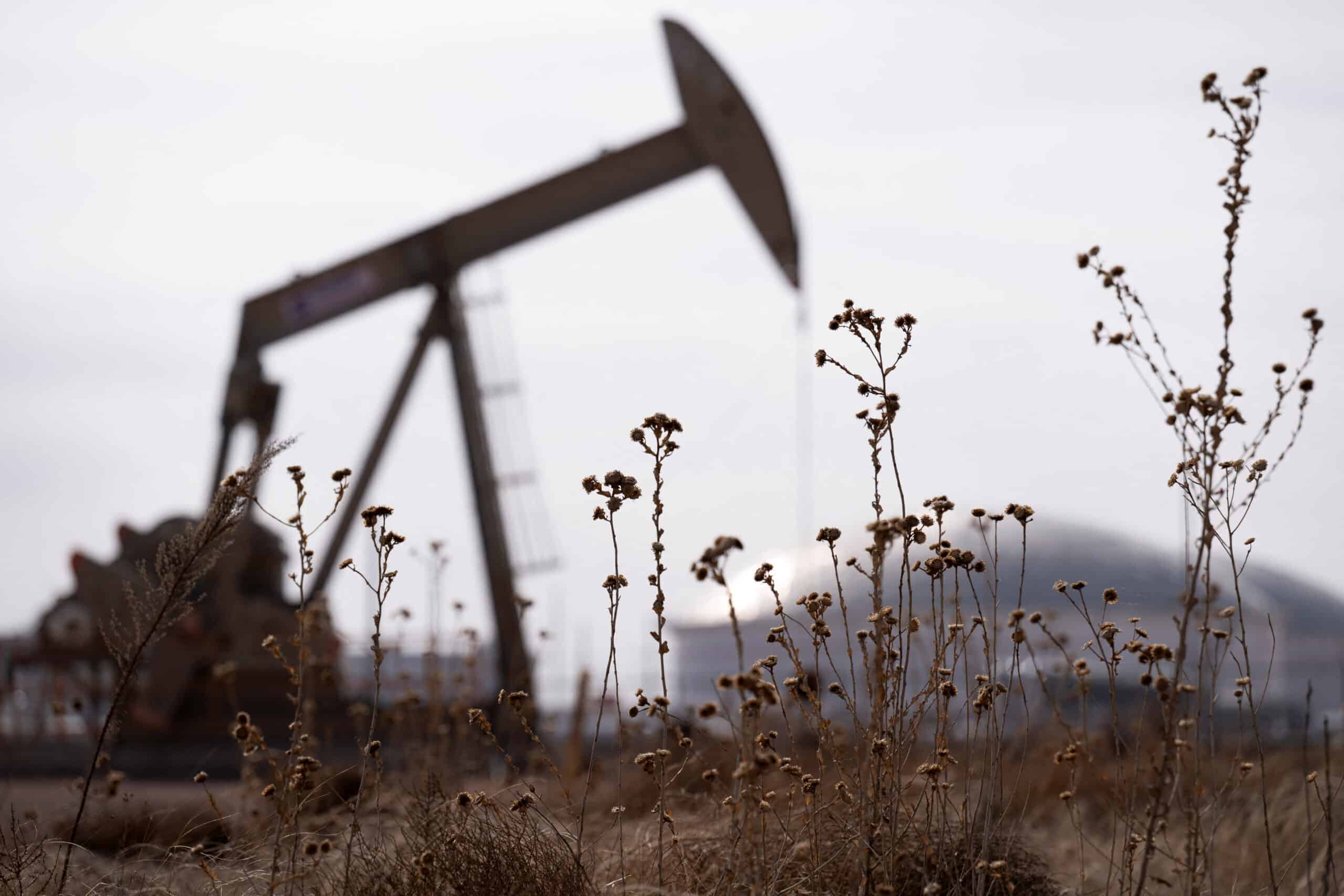
Oil prices experienced a significant decline on Wednesday, with both Brent crude and US West Texas Intermediate (WTI) crude falling below the $100 per barrel threshold. This drop followed President Donald Trump’s announcement of a two-week ceasefire with Iran, contingent upon the immediate reopening of the vital Strait of Hormuz. The market reacted swiftly to this development, marking the steepest decline in oil prices in nearly six years, as fears of prolonged supply disruptions eased.
Sharp Decline in Oil Prices
In the early hours of trading, Brent crude prices plummeted by 13.6 percent, settling at $94.43 per barrel. Meanwhile, WTI saw an even steeper decline, dropping over 14.3 percent to $96.82 per barrel, according to reports from Reuters. The sudden fall in oil prices was largely attributed to President Trump’s announcement regarding a temporary truce with Iran. This agreement alleviated concerns about a potential disruption in oil supply through the Strait of Hormuz, a crucial maritime route that facilitates nearly 20 percent of the world’s oil supply. The market’s swift response underscored the significance of geopolitical developments in influencing oil prices.
Geopolitical Tensions and Market Reactions
The announcement of the ceasefire came just before President Trump’s deadline for Iran to ensure safe passage through the Strait of Hormuz. In a series of posts on Truth Social, he referred to the agreement as a “double-sided ceasefire,” emphasizing the urgency of the situation. Earlier, he had warned that failure to meet conditions could lead to severe consequences. Iran responded by stating it would halt its attacks if aggression against it ceased, with Foreign Minister Abbas Araqchi confirming that safe transit through the Strait would be facilitated for two weeks in coordination with Iranian armed forces.
Despite the temporary easing of tensions, the situation in the region remained precarious. Several Gulf nations reported missile launches and drone activity, prompting advisories for civilians to seek shelter. The geopolitical landscape continues to be fraught with uncertainty, which could impact market stability.
Analysts Weigh In on Future Risks
While the ceasefire offers a momentary reprieve, analysts caution that the risks to oil supply remain high. Saul Kavonic, an analyst at MST Marquee, noted that even with a peace agreement in place, Iran might feel emboldened to threaten the Strait of Hormuz more frequently in the future. This potential for increased risk could lead the market to price in heightened concerns about the stability of this critical shipping lane.
Tony Sycamore, an analyst at IG, echoed these sentiments, suggesting that while the truce could pave the way for a more permanent reopening of the Strait, significant uncertainties still loom. He remarked, “It’s a good start and could pave the way to a more permanent reopening – but lots of ifs still to work out.” The recent conflict involving the US, Israel, and Iran had already driven oil prices sharply higher, with March witnessing one of the steepest monthly surges on record, exceeding 50 percent.
Observer Voice is the one stop site for National, International news, Sports, Editor’s Choice, Art/culture contents, Quotes and much more. We also cover historical contents. Historical contents includes World History, Indian History, and what happened today. The website also covers Entertainment across the India and World.

