

Oil Prices Decline 6% Following Trump’s Indication of Potential End to Iran Conflict

Oil prices experienced a significant decline on Tuesday, following a sharp surge that saw them exceed the $100-per-barrel mark just a day earlier. The drop in prices is attributed to a slight easing of concerns regarding prolonged supply disruptions, as diplomatic efforts appear to be gaining traction in the ongoing Middle East conflict. As of early Tuesday morning, Brent crude futures fell by 6.6% to $92.45 a barrel, while US West Texas Intermediate (WTI) crude dropped 6.5% to $88.65.
Recent Price Surge and Market Reactions
The recent fluctuations in oil prices have been dramatic. On Monday, prices surged nearly 30%, with Brent crude reaching $119.50 and WTI hitting $119.48, marking the highest levels since mid-2022. This spike was driven by escalating fears over energy supply as Saudi Arabia and other oil producers began to cut back on production amid the intensifying conflict between the US and Israel against Iran. The potential for significant disruptions to global oil flows raised alarms in the market, prompting the sharp price increase.
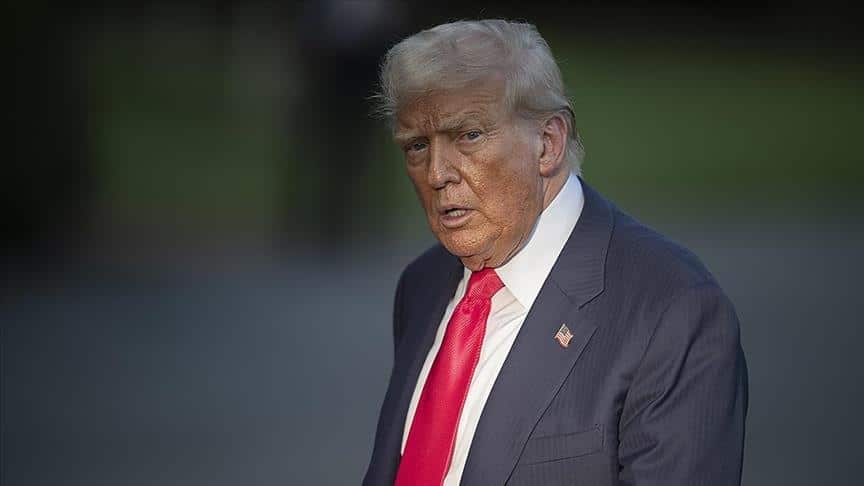
However, the momentum of this rally began to wane after Russian President Vladimir Putin engaged in discussions with US President Donald Trump. Reports indicate that Putin proposed measures aimed at swiftly resolving the conflict involving Iran. Trump expressed optimism regarding the situation, suggesting that the US was ahead of the timeline he had previously outlined for the conflict’s resolution.
Geopolitical Tensions and Their Impact
The geopolitical landscape remains tense, particularly with Iran’s Revolutionary Guards (IRGC) asserting their influence over the conflict’s outcome. They issued a stern warning that Iran would not permit any oil exports from the region if US and Israeli military actions persisted. Despite these threats, oil prices continued to ease as markets considered various strategies being contemplated in Washington. Among these options are potential relaxations of oil sanctions on Russia and the release of emergency crude stockpiles to mitigate the rising global oil prices linked to the Iran situation.
Market analysts have cautioned that volatility in oil prices is likely to persist in the near future. Tony Sycamore, an analyst at IG, noted that the recent events suggest crude oil could trade within a wide range, fluctuating between approximately $75 and $105 in the coming sessions.
Production Cuts and Global Responses
In response to the ongoing conflict and its impact on shipping routes, several Gulf producers have begun implementing production cuts. Iraq has notably reduced output at its key southern oilfields by 70%, bringing its production down to 1.3 million barrels per day. Kuwait Petroleum Corporation has also initiated output reductions and declared force majeure, indicating that they cannot fulfill contracts due to extraordinary circumstances. Additionally, Saudi Arabia has reportedly started trimming its production levels.
In light of these developments, the G7 countries have expressed their readiness to take necessary measures to address the surging global oil prices. However, they have not committed to releasing emergency reserves at this time. The situation remains fluid, and the interplay of geopolitical tensions and market responses will likely continue to shape the oil landscape in the weeks ahead.
Observer Voice is the one stop site for National, International news, Sports, Editor’s Choice, Art/culture contents, Quotes and much more. We also cover historical contents. Historical contents includes World History, Indian History, and what happened today. The website also covers Entertainment across the India and World.

