

Landslides: Large masses of soil, rocks or debris moving down slopes
Landslides: Geological disaster affecting millions worldwide annually

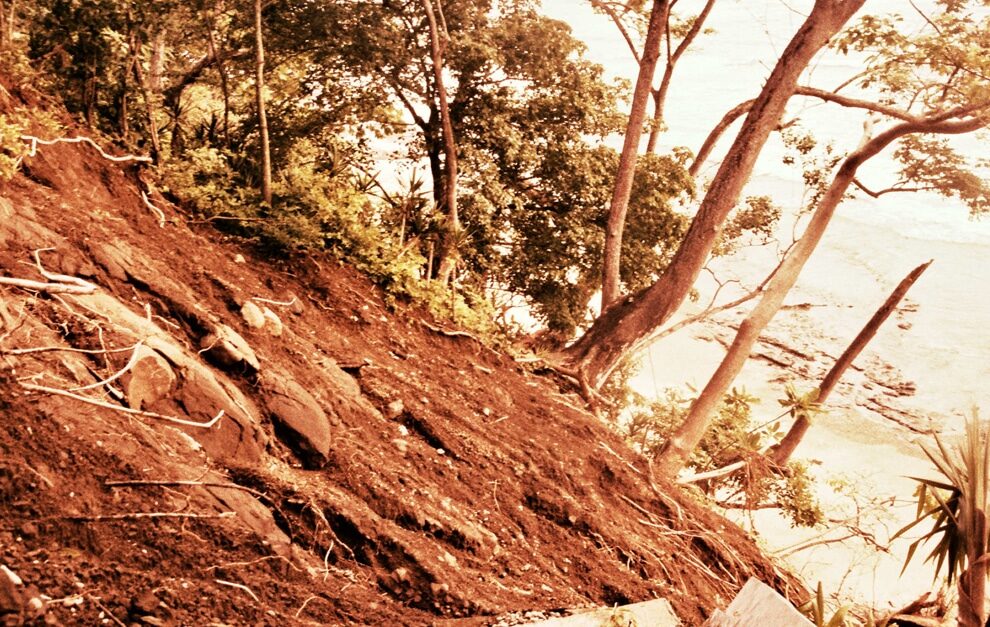
Rosa Martínez (Guatemala) heard the sound first—a deep rumbling like distant thunder, but the sky was clear. It was 3:00 AM on October 1, 2015. She was sleeping in her small house in El Cambray II, a hillside community on the outskirts of Guatemala City. The rumbling grew louder, became deafening. Her house began shaking violently.
“I grabbed my two children—ages 6 and 9—and ran outside. The ground was moving beneath our feet. I looked up the hill behind our neighborhood and saw it in the darkness—the entire mountainside was collapsing, flowing toward us like a massive wave. Trees, rocks, earth, everything sliding down. People were screaming, running, but there was nowhere to run. The landslide was too fast, too enormous,” Rosa recalled, her voice still trembling years later.
“We ran toward the road, away from the hillside. Behind us, I heard houses being crushed, buried, destroyed. The sound was terrifying—wood splintering, concrete breaking, people screaming for help. The landslide buried everything in its path under meters of mud, rocks, and debris. It happened in minutes. Our neighborhood simply disappeared under the earth,” Rosa continued.
When dawn broke, Rosa returned to El Cambray II. Or rather, to where it used to be. The landslide had buried an entire community under a layer of earth and debris up to 15 meters deep. Her house was gone—completely buried. So were her neighbors’ homes. Rescue workers were digging frantically, searching for survivors trapped beneath the mud.
“They found bodies—280 people died that night, including many children. My best friend, her entire family—mother, father, three children—all buried alive. They never found all the bodies. Some remain entombed under the earth today. My children and I survived only because we lived at the edge of the neighborhood. Fifty meters closer to the hillside, and we would have died too. That’s how arbitrary landslides are—who lives, who dies depends on meters, on seconds, on pure chance,” Rosa explained.
According to WHO, Landslides are more widespread than any other geological event, and can occur anywhere in the world. They occur when large masses of soil, rocks or debris move down a slope due to a natural phenomenon or human activity. Mudslides or debris flows are also a common type of fast-moving landslide. Landslides can accompany heavy rains or follow droughts, earthquakes or volcanic eruptions.
For more on natural disasters, see our articles on climate-related emergencies and disaster preparedness at ObserverVoice.com.
Vulnerable Areas and Climate Impact
Areas most vulnerable to landslides include steep terrain, including areas at the bottom of canyons; land previously burned by wildfires; land that has been modified due to human activity, such as deforestation or construction; channels along a stream or river; any area were surface runoff is directed or land is heavily saturated.
Between 1998-2017, landslides affected an estimated 4.8 million people and cause more than 18,000 deaths. Climate change and rising temperatures are expected to trigger more landslides, especially in mountainous areas with snow and ice. As permafrost melts, rocky slopes can become more unstable resulting in a landslide.
Landslides can cause high mortality and injuries from rapidly flowing water and debris. The most common cause of death in a landslide is trauma or suffocation by entrapment. Broken power, water, gas or sewage pipes can also result in injury or illness in the population affected, such as water-borne diseases, electrocution or lacerations from falling debris. People affected by landslides can also have short- and long-term mental health effects due to loss of family, property, livestock or crops.
Landslides can also greatly impact the health system and essential services, such as water, electricity or communication lines.
WHO provides fact sheets on Climate change, Mental health in emergencies, and Drowning. WHO provides Q&As on WHO’s role in Humanitarian Health Action and What is WHO’s role in emergencies?.
Related topics include Climate change, Drought, Earthquakes, and Floods. For more on environmental health, see our article on climate adaptation strategies at ObserverVoice.com.
WHO Response and Emergency Management
The magnitude of the physical and human costs from landslides can be reduced if adequate emergency prevention, preparedness, response and recovery measures are implemented in a sustainable and timely manner. WHO works with Member States to build resilient and proactive health systems that can anticipate the needs and challenges during emergencies so that they are more likely to reduce risks and respond effectively when needed.
As the health cluster lead for global emergencies, WHO works with partners to respond to ensure appropriate food supplementation; restore primary care services, like immunization, child and maternal health, and mental health; assemble mobile health teams and outreach; conduct epidemic surveillance, early warning and response; call for emergency funding to support health action.
WHO’s Health Emergencies Programme coordinates response. WHO works on Climate Change and Managing environmental health risks in emergencies. WHO provides Disaster statistics through UNDRR and Latest disease outbreak news.
Recent News and Publications
July 2019 WHO reported WHO supports relief efforts in flood affected areas. May 2018 WHO reported Looming monsoons and little funding threaten health gains in Cox’s Bazar. September 2017 WHO reported Mitigating health risks in the wake of disaster.
January 2024 WHO published Floods: four tips to reduce food safety risks including tips after floods. April 2020 WHO published Preparedness for cyclones, tropical storms, tornadoes, floods and earthquakes during COVID-19 pandemic providing guidance on adapting preparedness plans. January 2018 WHO published Communicating risk in public health emergencies: WHO guideline for emergency risk communication (ERC) policy and practice. January 2018 WHO published Chemical releases associated with floods providing information about chemical releases caused by floods.
WHO provides infographics showing Health tips after typhoons, Health tips after hurricanes, and Health tips after floods.
Training and Resources
WHO provides training courses including Incident Management System (Tier 1), Incident Management System (Tier 2), and Risk Communication Essentials. WHO collaborates through Sendai Framework for Disaster Risk Reduction 2015-2030 and WHO Health Cluster. Pan American Health Organization provides What to do in a storm.
Recovery and Prevention Through Preparedness
Rosa and her surviving children were relocated to a temporary shelter in Guatemala City. They lost everything—home, possessions, community. The psychological trauma was devastating. Her children had nightmares for years, terrified that the ground would collapse beneath them again.
“The government investigation found that El Cambray II should never have been built where it was—the hillside was inherently unstable, the soil saturated from deforestation higher up the mountain, the drainage inadequate. Heavy rains in September 2015 triggered the collapse. But the real cause was poor land-use planning, deforestation, and allowing people to build homes in dangerous locations. We were poor families who couldn’t afford safer housing. The government knew the area was dangerous but did nothing to relocate us before disaster struck,” Rosa explained.
“After the landslide, Guatemala implemented new policies on hillside construction and early warning systems. WHO supported the Ministry of Health in establishing emergency response protocols for future disasters—mobile health teams, mental health services for survivors, disease surveillance to prevent outbreaks in displaced populations, safe water and sanitation in temporary shelters. These systems weren’t in place when El Cambray II was buried. We had to learn from tragedy,” Rosa continued.
“Today I work as a community educator on disaster preparedness. I teach families living in vulnerable hillside areas to recognize warning signs of landslides—cracks in the ground, tilting trees or utility poles, unusual sounds from the hillside, sudden changes in water flow. I emphasize that landslides can happen anywhere terrain is steep, soil is saturated, or vegetation has been removed. I advocate for better land-use planning—preventing construction in high-risk areas rather than responding after disasters,” Rosa emphasized.
“WHO’s work as the health cluster lead for global emergencies ensures coordinated response when disasters like landslides strike. WHO helps countries build resilient health systems that can anticipate needs during emergencies. WHO coordinates food supplementation, restoration of primary care services, mobile health teams, epidemic surveillance, and emergency funding. Climate change is making landslides more frequent and severe—melting permafrost, increased rainfall intensity, more frequent droughts followed by sudden floods. WHO’s guidance on emergency preparedness and climate change adaptation is essential,” Rosa noted.
“280 people died in El Cambray II. Most deaths were preventable—through better land-use planning, early warning systems, safe relocation before the rainy season. WHO’s emphasis on prevention, preparedness, response, and recovery measures implemented sustainably can reduce human costs from landslides. My survival—and my children’s survival—was chance. But preventing future landslide disasters shouldn’t depend on chance. It requires political will, proper planning, community education, and international support through organizations like WHO. Every family living on vulnerable hillsides deserves the protection that could have saved my neighbors’ lives.”
For more information, visit WHO’s landslides topic page or explore related content at ObserverVoice.com.
Frequently Asked Questions (FAQs)
Landslides are more widespread than any other geological event, and can occur anywhere in world. They occur when large masses of soil, rocks or debris move down slope due to natural phenomenon or human activity. Mudslides or debris flows are also common type of fast-moving landslide. Landslides can accompany heavy rains or follow droughts, earthquakes or volcanic eruptions. Areas most vulnerable to landslides include steep terrain, including areas at bottom of canyons; land previously burned by wildfires; land that has been modified due to human activity, such as deforestation or construction; channels along stream or river; any area were surface runoff is directed or land is heavily saturated. Between 1998-2017, landslides affected estimated 4.8 million people and cause more than 18,000 deaths. WHO provides fact sheet on Climate change. WHO’s Health Emergencies Programme coordinates response. Related: Climate change, Earthquakes.
Landslides can cause high mortality and injuries from rapidly flowing water and debris. Most common cause of death in landslide is trauma or suffocation by entrapment. Broken power, water, gas or sewage pipes can also result in injury or illness in population affected, such as water-borne diseases, electrocution or lacerations from falling debris. People affected by landslides can also have short- and long-term mental health effects due to loss of family, property, livestock or crops. Landslides can also greatly impact health system and essential services, such as water, electricity or communication lines. WHO provides fact sheets on Mental health in emergencies and Drowning. January 2024 WHO published Floods: four tips to reduce food safety risks. January 2018 WHO published Chemical releases associated with floods. Related: Drought, Floods.
Climate change and rising temperatures are expected to trigger more landslides, especially in mountainous areas with snow and ice. As permafrost melts, rocky slopes can become more unstable resulting in landslide. Between 1998-2017, landslides affected estimated 4.8 million people and cause more than 18,000 deaths. WHO works on Climate Change and Managing environmental health risks in emergencies. WHO provides Climate change fact sheet. April 2020 WHO published Preparedness for cyclones, tropical storms, tornadoes, floods and earthquakes during COVID-19 pandemic. WHO collaborates through Sendai Framework for Disaster Risk Reduction 2015-2030. WHO provides Disaster statistics through UNDRR. Related: Climate change, Floods.
Magnitude of physical and human costs from landslides can be reduced if adequate emergency prevention, preparedness, response and recovery measures are implemented in sustainable and timely manner. WHO works with Member States to build resilient and proactive health systems that can anticipate needs and challenges during emergencies. As health cluster lead for global emergencies, WHO works with partners to respond to ensure appropriate food supplementation; restore primary care services, like immunization, child and maternal health, and mental health; assemble mobile health teams and outreach; conduct epidemic surveillance, early warning and response; call for emergency funding to support health action. WHO’s Health Emergencies Programme coordinates response. WHO provides Q&As on WHO’s role in Humanitarian Health Action and What is WHO’s role in emergencies?. WHO provides Latest disease outbreak news. Related: Earthquakes, Drought.
WHO provides training courses including Incident Management System (Tier 1), Incident Management System (Tier 2), and Risk Communication Essentials. January 2018 WHO published Communicating risk in public health emergencies: WHO guideline for emergency risk communication policy and practice. WHO provides infographics showing Health tips after typhoons, Health tips after hurricanes, and Health tips after floods. WHO collaborates through WHO Health Cluster. Pan American Health Organization provides What to do in a storm. WHO works on Managing environmental health risks in emergencies. July 2019 WHO reported WHO supports relief efforts in flood affected areas. Related: Climate change, Floods.
- WHO Landslides Topic Page
- WHO Health Emergencies Programme
- Sendai Framework for Disaster Risk Reduction 2015-2030
- WHO Health Cluster
- UNDRR Disaster Statistics
Disclaimer: This article is an adaptation of publicly available information from WHO’s Landslides
health topic page (WHO, Geneva. Licence: CC BYNC-SA 3.0 IGO). WHO is not responsible for the
content or accuracy of this adaptation. This content is for informational and educational purposes
only and does not constitute medical advice. ObserverVoice.com is a news and information platform
— not a healthcare provider.
Observer Voice is the one stop site for National, International news, Sports, Editor’s Choice, Art/culture contents, Quotes and much more. We also cover historical contents. Historical contents includes World History, Indian History, and what happened today. The website also covers Entertainment across the India and World.


