

Kuwait Revenues Decline, Iraq Exports Affected, Saudi Arabia Sees Gains

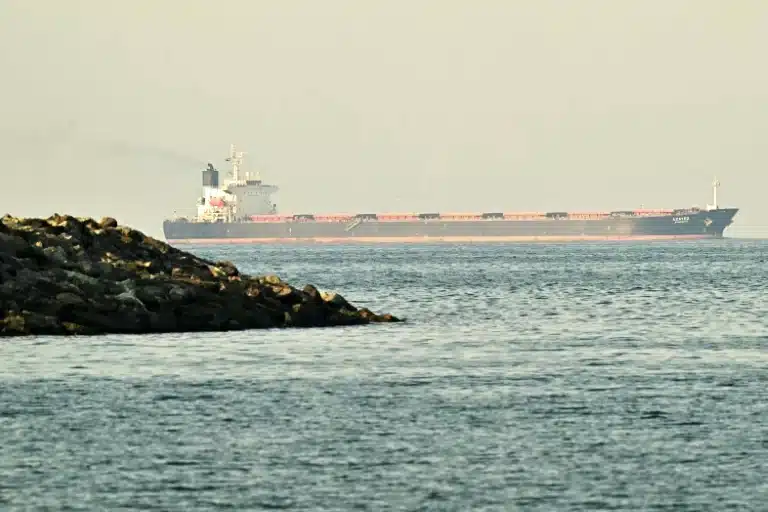
The ongoing conflict in the Middle East, now entering its sixth week, is causing significant global repercussions, particularly in the energy sector. Countries are grappling with rising fuel prices and implementing emergency measures, including work-from-home policies. The situation has led to a stark divide among Gulf oil producers, with some benefiting from soaring crude prices while others face steep revenue declines due to disrupted exports.
Impact on Saudi Arabia
Saudi Arabia’s crude exports saw a notable decline in March, dropping to 136 million barrels from 181.8 million barrels a year earlier, marking a 26% decrease year-on-year. Despite this downturn, the kingdom’s revenues increased to $13.5 billion, up from $13 billion, thanks to higher oil prices. The value of exports rose by approximately $558 million compared to the previous year, bolstered by increased royalties and taxes from the state oil company, Aramco. In anticipation of potential escalations involving Iran, Saudi Arabia had ramped up its exports in February to their highest levels since April 2023. Additionally, the country has managed to circumvent the Strait of Hormuz by utilizing its East-West pipeline, which connects eastern oilfields to the Red Sea and has a capacity of 7 million barrels per day. During the week starting March 23, loadings from the Yanbu terminal averaged 4.6 million barrels per day, despite facing attacks on the hub.
Iran’s Resilience
Iran’s crude exports remained relatively stable, with figures at 57.4 million barrels compared to 58.5 million barrels a year earlier. However, the country experienced a significant increase in revenues, rising to $5.7 billion from $4.2 billion, reflecting a 37% growth. This boost in revenue can be attributed to Iran easing transit restrictions, allowing vessels without US or Israeli links to navigate through the Strait of Hormuz. This decision enabled some tanker movements despite the broader shutdown, showcasing Iran’s ability to adapt to the challenging circumstances.
Oman’s Performance
Oman reported a decrease in crude exports, totaling 29.1 million barrels in March, down from 32 million barrels a year earlier. Nevertheless, the nation saw its revenues rise to $2.9 billion, up from $2.3 billion, marking a 26% increase. This growth in revenue highlights Oman’s ability to capitalize on higher oil prices despite a reduction in export volumes. The country’s strategic positioning and operational adjustments have allowed it to navigate the turbulent market conditions effectively.
Challenges for Other Gulf Nations
The United Arab Emirates (UAE) experienced a decline in exports, falling to 66 million barrels from 94.5 million barrels a year earlier, with revenues slightly decreasing to $6.6 billion from $6.8 billion. The Habshan-Fujairah pipeline, which bypasses the Strait of Hormuz, has provided some protection, carrying between 1.5 and 1.8 million barrels per day. However, ongoing attacks on Fujairah have disrupted loading operations, limiting the effectiveness of this buffer. Kuwait faced a dramatic drop in exports, plummeting to 8.7 million barrels from 45.5 million barrels, with revenues falling to $0.9 billion from $3.3 billion. This sharp decline underscores Kuwait’s heavy reliance on the Strait and the absence of alternative export routes. Qatar and Iraq also reported significant challenges, with Qatar’s exports decreasing to 5.6 million barrels and revenues dropping to $0.6 billion. Iraq suffered one of the most severe declines, with exports falling to 17.4 million barrels and revenues plummeting to $1.7 billion, reflecting a staggering 76% decrease. The International Energy Agency has characterized this situation as the world’s most significant energy supply shock, highlighting the extensive damage to energy facilities and the resulting supply disruptions.
Observer Voice is the one stop site for National, International news, Sports, Editor’s Choice, Art/culture contents, Quotes and much more. We also cover historical contents. Historical contents includes World History, Indian History, and what happened today. The website also covers Entertainment across the India and World.
Follow Us on Twitter, Instagram, Facebook, & LinkedIn

