

Karnataka Proposes New Legislation to Combat Hate Speech in India

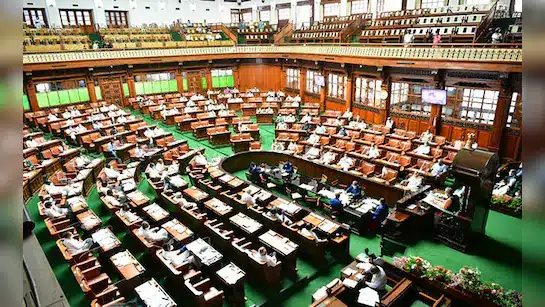
Can a new law effectively combat hate speech in India? The southern state of Karnataka is taking a proactive approach by passing a bill aimed at curbing hate speech and hate crimes that contribute to communal discord. This legislation, which is currently awaiting the governor’s approval, seeks to address the rising incidents of hate speech, particularly against minorities, which have surged in recent years, especially during national elections. While proponents argue that the bill is essential for public safety, critics express concerns over potential infringements on civil liberties and free speech.
Details of the Hate Speech Bill
The Karnataka Hate Speech and Hate Crimes (Prevention) Bill, 2025, outlines specific procedures for investigating and prosecuting hate speech cases. It defines hate speech broadly as any public expression made through various mediums, including verbal, print, television, or social media. The bill also categorizes hate crimes as the communication of hate speech, without requiring a direct link to violence. This legislation empowers the state government to instruct social media and digital platforms to remove content deemed as hate speech, a power currently reserved for the federal government.
India lacks a comprehensive federal law against hate speech, although various legal provisions exist that prohibit certain types of speech and actions that could incite communal tensions. These include laws against promoting enmity based on religion and actions intended to insult religious beliefs. The new bill aims to fill gaps in existing laws, making hate speech and hate crimes non-bailable offenses and increasing penalties for offenders. If enacted, individuals convicted of hate crimes could face prison sentences ranging from one to seven years and fines of up to 50,000 rupees.
Political Reactions and Concerns
The ruling Congress party in Karnataka supports the bill, arguing that it addresses critical issues related to hate speech. Karnataka’s Home Minister, G Parameshwara, emphasized that the legislation would close existing loopholes in the law and provide the state with enhanced powers to combat hate speech. However, the opposition party, the BJP, has criticized the bill as unnecessary, claiming it could infringe on free speech rights. Opposition leader R Ashoka voiced concerns that the law could be used to silence dissent and target political opponents.
Legal experts and free speech advocates have echoed these worries, cautioning that the bill’s broad definitions could lead to misuse by political parties. They argue that the distinction between hate speech and political expression is often blurred, raising the risk of arbitrary enforcement. Critics also highlight a 2015 Supreme Court ruling that mandates laws criminalizing speech must be precise to avoid a chilling effect on free expression.
Implications for Law Enforcement and Civil Liberties
The bill has sparked a debate about the implications for law enforcement and civil liberties. Critics argue that it grants excessive discretion to police and administrative officials in determining what constitutes hate speech. This could lead to conflicts of interest, particularly when the government faces criticism. Advocates for the bill, however, contend that it empowers police by allowing them to file charges without needing government approval, thus reducing the potential for political interference.
A senior Karnataka government official stated that the law would ensure accountability, as police would be directly responsible for filing charges and facing consequences for inaction. This provision aims to ensure that individuals, regardless of political affiliation, can be prosecuted for hate speech or hate crimes. However, critics remain skeptical, suggesting that the initial involvement of police could lead to biased enforcement based on political signals rather than objective judgment.
Future Prospects and Broader Context
As the debate continues, the potential for similar legislation is emerging in neighboring states. The Chief Minister of Telangana, also from the Congress party, has indicated plans to introduce a comparable bill. This trend reflects a growing recognition of the need to address hate speech in India, particularly as social media platforms amplify divisive rhetoric.
The Karnataka Hate Speech and Hate Crimes (Prevention) Bill represents a significant step in the ongoing struggle to balance public safety and free expression. As the bill awaits the governor’s signature, its future remains uncertain, with implications that could resonate beyond Karnataka. The conversation surrounding this legislation underscores the complexities of defining hate speech and the challenges of implementing laws that protect civil liberties while addressing societal issues.
Observer Voice is the one stop site for National, International news, Sports, Editor’s Choice, Art/culture contents, Quotes and much more. We also cover historical contents. Historical contents includes World History, Indian History, and what happened today. The website also covers Entertainment across the India and World.
Follow Us on Twitter, Instagram, Facebook, & LinkedIn

