

Jonty Rhodes Highlights India’s Challenges with Spin Bowling at Home

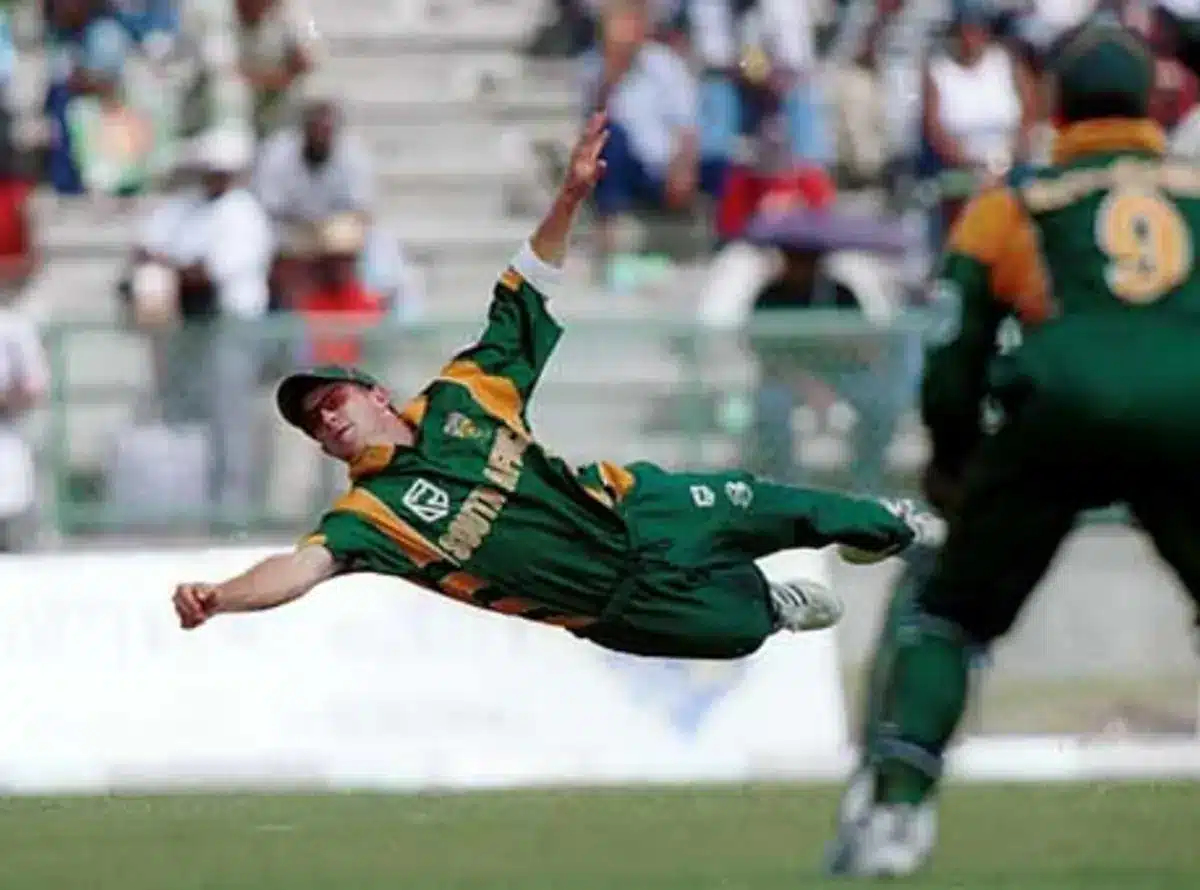
South Africa’s Simon Harmer delivered a stunning performance in the first Test against India at Eden Gardens, taking eight wickets and leading his team to a remarkable victory. This defeat has raised concerns about India’s struggles against spin bowling, particularly on home soil. Indian spinner R. Ashwin acknowledged that the team is currently not among the best players of spin, attributing this to a lack of practice and experience in domestic cricket. Former cricketer Jonty Rhodes echoed these sentiments, suggesting that the Indian players’ limited exposure to spinning conditions may be contributing to their difficulties.
Simon Harmer’s exceptional bowling performance was a key factor in South Africa’s triumph over India in the first Test match. Harmer’s eight-wicket haul showcased his skill and ability to exploit the conditions at Eden Gardens. His performance not only highlighted South Africa’s strength in spin bowling but also underscored India’s ongoing challenges against such bowlers. The match served as a reminder of the historical struggles India has faced when confronted with quality spin, particularly at home.
India’s Struggles Against Spin
The defeat has reignited discussions about India’s proficiency against spin bowling. R. Ashwin candidly stated that the current Indian team is not the best at playing spin, a sentiment that resonates with many cricket analysts. He pointed out that Western teams often come to India better prepared to handle spin, as they practice more in similar conditions. This lack of preparation has been a recurring theme in India’s recent performances, especially in Test matches. The need for players to engage more in domestic cricket has been emphasized, as it provides crucial experience in handling spin-friendly pitches.
The Role of Domestic Cricket
The importance of domestic cricket in developing players’ skills against spin has been a focal point of discussion. Sunil Gavaskar, a former Indian batting great, has consistently advocated for players to participate in domestic competitions. The Board of Control for Cricket in India (BCCI) has also encouraged contracted players to make themselves available for domestic matches, barring fitness issues. Jonty Rhodes highlighted that many Indian players may not be playing enough in spinning conditions, which could hinder their performance at the international level. The lack of regular domestic cricket participation may leave players unprepared for the challenges they face in Test matches.
Home Advantage and Test Venues
The concept of home advantage extends beyond just the playing surface; it also encompasses the atmosphere created by local fans. Jonty Rhodes pointed out that the BCCI’s decision to host matches in various locations across India has diluted the home advantage that comes with familiar conditions. Unlike countries with fixed Test venues, Indian players may struggle to adapt to different pitches and conditions. This variability can impact their performance, particularly in spin-friendly scenarios. Rhodes emphasized that while it is essential to promote cricket across the country, having a few established Test centers could help players prepare better for international matches.
Observer Voice is the one stop site for National, International news, Sports, Editor’s Choice, Art/culture contents, Quotes and much more. We also cover historical contents. Historical contents includes World History, Indian History, and what happened today. The website also covers Entertainment across the India and World.
Follow Us on Twitter, Instagram, Facebook, & LinkedIn

