

Japan’s Prime Minister Advocates for Increased Female Toilet Facilities in Parliament

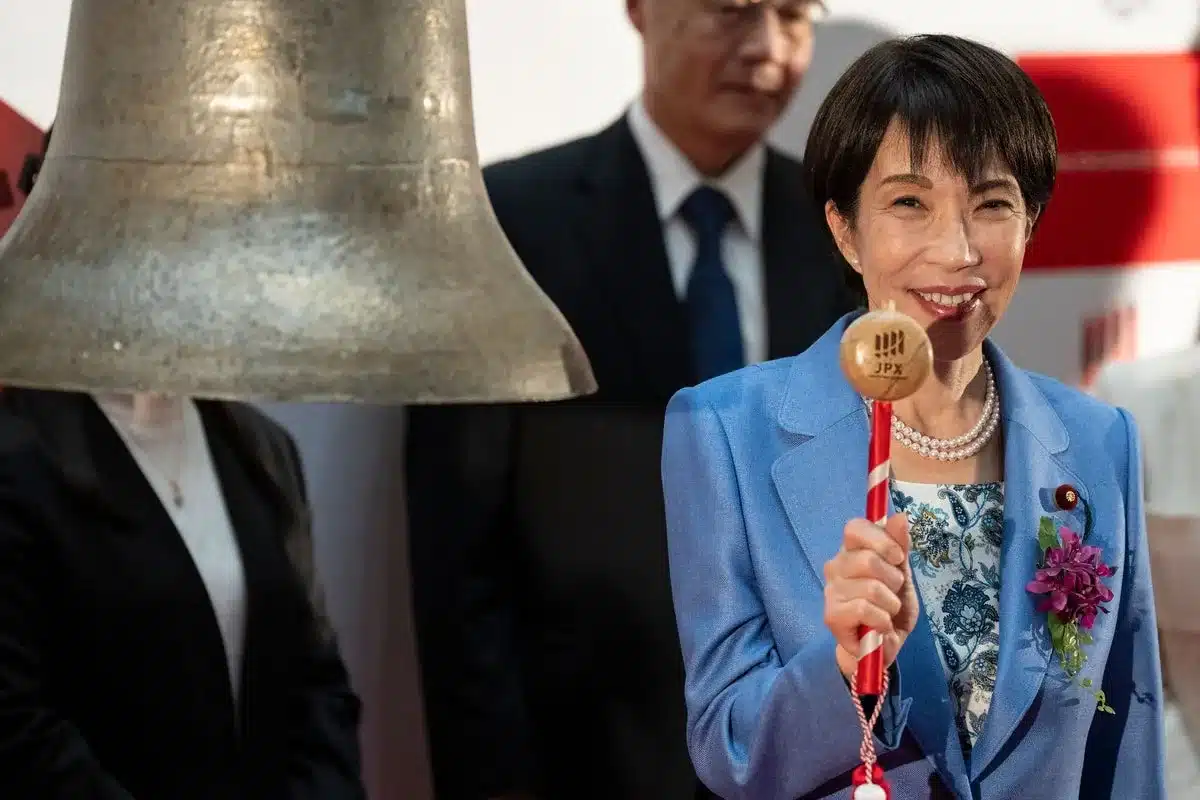
Japan’s Prime Minister Sanae Takaichi is leading a significant push for more women’s restrooms in the parliament building, reflecting the increasing presence of women in the legislature. With a record 73 women elected to the 465-seat Lower House in October 2024, the demand for adequate facilities has become pressing. Lawmakers have reported long queues at existing women’s restrooms, highlighting the need for improvements in the parliamentary infrastructure to accommodate the growing number of female representatives.
Growing Representation of Women in Parliament
The recent elections have marked a historic milestone for women in Japanese politics, with 73 women now serving in the Lower House, surpassing the previous record of 54 set in 2009. This increase in female representation has sparked discussions about the need for better facilities within the parliament. Yasuko Komiyama, an opposition lawmaker, has voiced concerns about the long wait times for women needing to use the restroom, particularly before plenary sessions. She noted that some female lawmakers have even chosen to forgo using the restroom altogether due to the inconvenience. Currently, the parliament building has only one women’s restroom with two cubicles near the plenary chamber, while there are nine women’s restrooms in total, offering just 22 cubicles. In contrast, the building features 12 men’s restrooms with 67 stalls and urinals.
Challenges Faced by Female Lawmakers
The situation has been described as “often inconvenient” by Komiyama, who pointed out that female staff and visitors also share the limited restroom facilities. She expressed her desire to advocate for improvements, aiming for a future where women hold more than 30% of parliamentary seats. The parliament building itself, constructed in 1936, predates women’s suffrage in Japan, which was granted in 1945. The building spans a vast area of 13,356 square meters, yet the restroom facilities do not reflect the growing number of women in leadership roles. Komiyama’s call for action emphasizes the need for the administration to support women’s empowerment initiatives, suggesting that increased restroom facilities would be a step in the right direction.
Government Response and Future Goals
Chair of the Lower House committee, Yasukazu Hamada, has indicated a willingness to consider the proposal for additional women’s restrooms, as reported by Asahi Shimbun. The Japanese government previously set a target for women to hold 30% of leadership roles across all sectors by 2020, but this goal has since been postponed by a decade. Currently, women occupy nearly 16% of the seats in the Lower House and about one-third of the seats in the Upper House. Takaichi, who became Japan’s first female leader in October last year, has committed to increasing female representation in her cabinet to levels comparable to those in Nordic countries, known for their high rates of female leadership. However, she has appointed only two women to her 19-member cabinet, raising questions about the government’s commitment to gender equality.
Broader Implications for Women’s Facilities in Japan
The issue of inadequate women’s restroom facilities extends beyond the parliament, as long lines at public restrooms for women are a common sight throughout Japan. Former Prime Minister Shigeru Ishiba had previously acknowledged the need to enhance women’s restroom facilities, aiming to create a society where women can live with peace of mind. The ongoing discussions in parliament about restroom accessibility highlight a broader societal challenge regarding gender equality and the need for infrastructure that reflects the changing demographics of leadership in Japan. As female lawmakers continue to advocate for better facilities, their efforts may pave the way for significant changes in both the political landscape and public spaces across the country.
Observer Voice is the one stop site for National, International news, Sports, Editor’s Choice, Art/culture contents, Quotes and much more. We also cover historical contents. Historical contents includes World History, Indian History, and what happened today. The website also covers Entertainment across the India and World.
Follow Us on Twitter, Instagram, Facebook, & LinkedIn

