

Iran-US Ceasefire: Legal Implications of Tehran Charging Toll Fees in the Strait of Hormuz

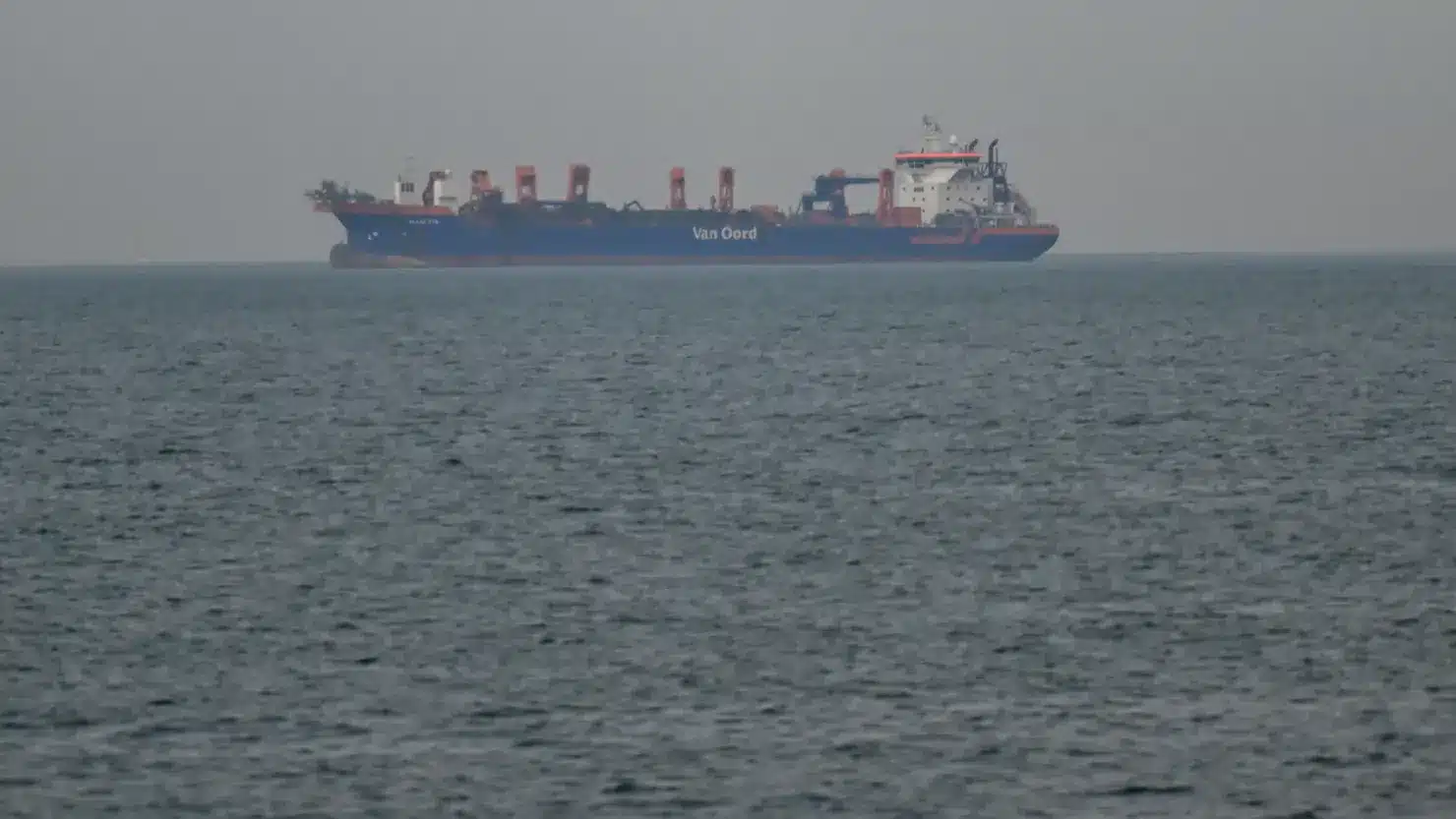
As the United States and Iran enter a temporary two-week ceasefire, tensions are rising over Iran’s proposal to impose toll fees on vessels navigating the strategically vital Strait of Hormuz. This move could significantly disrupt global trade and create uncertainty in energy markets. The Strait, which is a critical passage for nearly a fifth of the world’s oil supply, is now at the center of a geopolitical struggle that could reshape maritime navigation norms.
The Importance of the Strait of Hormuz
The Strait of Hormuz is a narrow waterway that plays a crucial role in global trade and energy supply. At its narrowest point, it spans just 34 kilometers, yet it is responsible for transporting approximately 20% of the world’s oil. This vital corridor connects oil-producing nations in the Gulf to international markets via the Indian Ocean. In addition to crude oil, the Strait also facilitates the passage of liquefied natural gas and essential commodities like fertilizers. Any disruption in this key maritime route can have immediate and far-reaching consequences, often leading to spikes in oil prices and heightened supply concerns across the globe.
Given its significance, the Strait of Hormuz has been a focal point in regional conflicts and international relations. The potential for toll fees could further complicate an already tense situation, as it raises questions about the free flow of trade and the rights of nations to navigate international waters without incurring additional costs.
Iran’s Proposal for Toll Fees
Iran’s recent proposal to charge tolls for ships transiting the Strait of Hormuz is part of a broader strategy to assert control over this critical maritime route. Following weeks of escalating conflict, Tehran is seeking to formalize its authority in the region. The proposed tolls would not be fixed; instead, they would vary based on the type of vessel, its cargo, and prevailing conditions. Additionally, Iran is considering a system that would require ships to obtain permits or licenses to pass through the Strait, potentially in coordination with neighboring countries like Oman.
Iran’s deputy foreign minister, Kazem Gharibabadi, indicated that the country’s parliament is drafting legislation to support this initiative, suggesting that the proposal is more than just a rhetorical exercise. It reflects a structured plan to regulate and monetize maritime traffic through the Strait, which could have significant implications for international shipping and trade.
Legal Implications and International Reactions
The legality of Iran’s toll proposal is contentious under international maritime law. The United Nations Convention on the Law of the Sea (UNCLOS) mandates that straits used for international navigation must allow free and uninterrupted passage. Countries bordering such straits cannot impose fees solely for transit; they can only charge for specific services, such as piloting or tug assistance, and these must be applied uniformly.
Despite the clear guidelines set by UNCLOS, enforcement remains complicated. Both Iran and the United States have not formally ratified the convention, although they have historically adhered to its principles. The potential for Iran to impose tolls raises concerns about the precedent it could set, possibly encouraging other nations controlling key maritime chokepoints to follow suit. This could lead to a fragmentation of established norms regarding free navigation, prompting strong reactions from various countries, including the United States, Gulf nations, and India, all of which have expressed opposition to the idea of tolls.
Global Market Impact and Alternatives
The introduction of tolls in the Strait of Hormuz could have significant repercussions for global markets. Increased shipping costs would likely lead to higher oil and gas prices, as well as elevated insurance premiums and broader supply chain disruptions. While analysts believe that the immediate impact may be less severe than that of outright conflict, the long-term effects could be more persistent, as markets adjust to a new risk premium associated with the Strait.
Alternatives to the Strait of Hormuz are limited and fraught with challenges. Other routes, such as those through the Red Sea, present their own security risks and logistical difficulties. Longer detours would increase both time and costs, making them impractical for large-scale energy transport. This lack of viable alternatives underscores the strategic importance of the Strait and the global consequences of any changes to its governance.
Observer Voice is the one stop site for National, International news, Sports, Editor’s Choice, Art/culture contents, Quotes and much more. We also cover historical contents. Historical contents includes World History, Indian History, and what happened today. The website also covers Entertainment across the India and World.
Follow Us on Twitter, Instagram, Facebook, & LinkedIn

