

IndiGo to Recruit More Than 1,000 Pilots Following December Crew Shortage

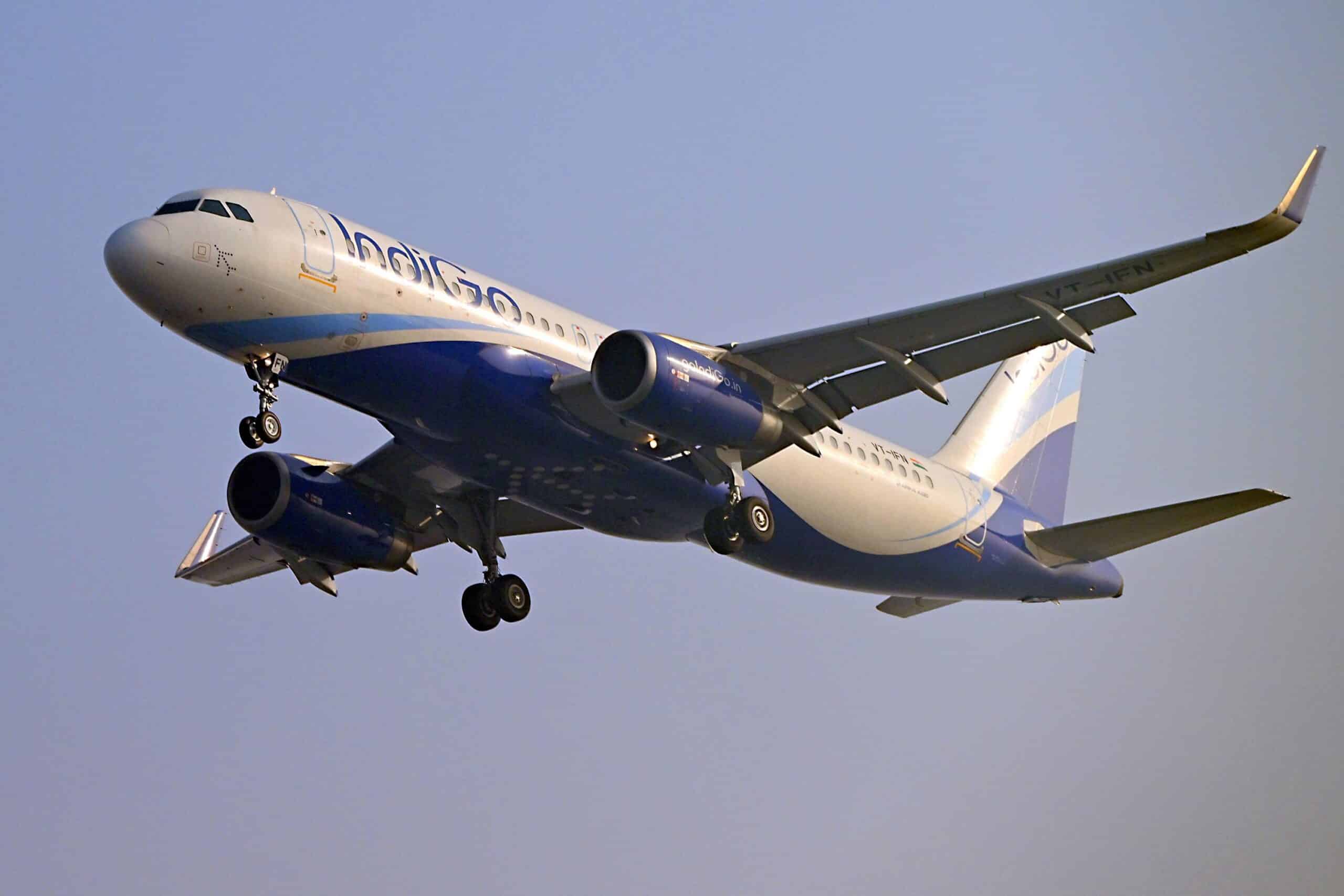
IndiGo, India’s largest airline, is embarking on an ambitious recruitment drive to onboard over 1,000 pilots. This decision follows significant operational disruptions last December, during which the airline canceled more than 5,000 flights in just one week. The new hiring initiative aims to include trainee first officers, senior first officers, and commanders, with the airline also welcoming applicants who lack experience on the Airbus A320, its primary aircraft model.
Addressing Operational Challenges
The recruitment comes in response to findings from the Directorate General of Civil Aviation (DGCA), which highlighted that IndiGo had not aligned its hiring practices with new regulations. The DGCA’s review indicated that the airline’s operational strategies had led to pilots facing excessive workloads due to repeated reassignments and extended duty hours. The investigation revealed that the airline’s scheduling practices, which included increased use of deadheading—where crew members travel as passengers to operate flights—had compromised operational efficiency and pilot well-being. In light of these issues, the DGCA has implemented new rules, including limiting the number of landings allowed between midnight and 6 AM and extending the mandatory rest period for pilots.
Strategic Expansion Plans
A senior official from IndiGo stated that the airline is committed to ensuring a steady supply of cockpit crew to support its rapid fleet expansion. Currently, the airline is promoting approximately 20 to 25 first officers to captain positions each month. In addition to hiring new pilots, IndiGo is adjusting its network planning to enhance operational efficiency. The airline has increased its operational buffer from nearly zero in December to 3% this month, while standby crew availability has been raised to a minimum of 15%. With an average of four new aircraft joining the fleet each month, the airline is focused on maintaining a robust operational framework.
Regulatory Oversight and Adjustments
Following the December disruptions, the DGCA intervened by temporarily relaxing certain regulations, including night-duty restrictions, which will remain in effect until February 10. The DGCA’s assessment revealed that IndiGo’s emphasis on maximizing crew and aircraft utilization had significantly reduced roster buffer margins. The regulatory body noted that the airline’s scheduling practices were designed to extend duty hours, relying heavily on deadheading and other strategies that left little room for recovery. This approach not only weakened roster integrity but also impacted the airline’s operational resilience.
Future Outlook
As IndiGo moves forward with its recruitment and operational adjustments, the airline faces the challenge of training new pilots effectively. Trainee first officers typically require around six months of training before they can operate flights independently, while promotion to captaincy necessitates a minimum of 1,500 flying hours. Despite the regulatory requirement for three sets of pilots per aircraft, IndiGo’s high utilization rates demand a significantly larger pool of pilots. The inquiry into the airline’s December operational issues revealed a shortfall, with IndiGo needing 2,422 captains but only having 2,357 available. The airline’s proactive hiring and strategic adjustments aim to address these challenges and enhance its operational capabilities.
Observer Voice is the one stop site for National, International news, Sports, Editor’s Choice, Art/culture contents, Quotes and much more. We also cover historical contents. Historical contents includes World History, Indian History, and what happened today. The website also covers Entertainment across the India and World.
Follow Us on Twitter, Instagram, Facebook, & LinkedIn

