

India Unveils Draft National Electricity Policy 2026 for a Sustainable Future

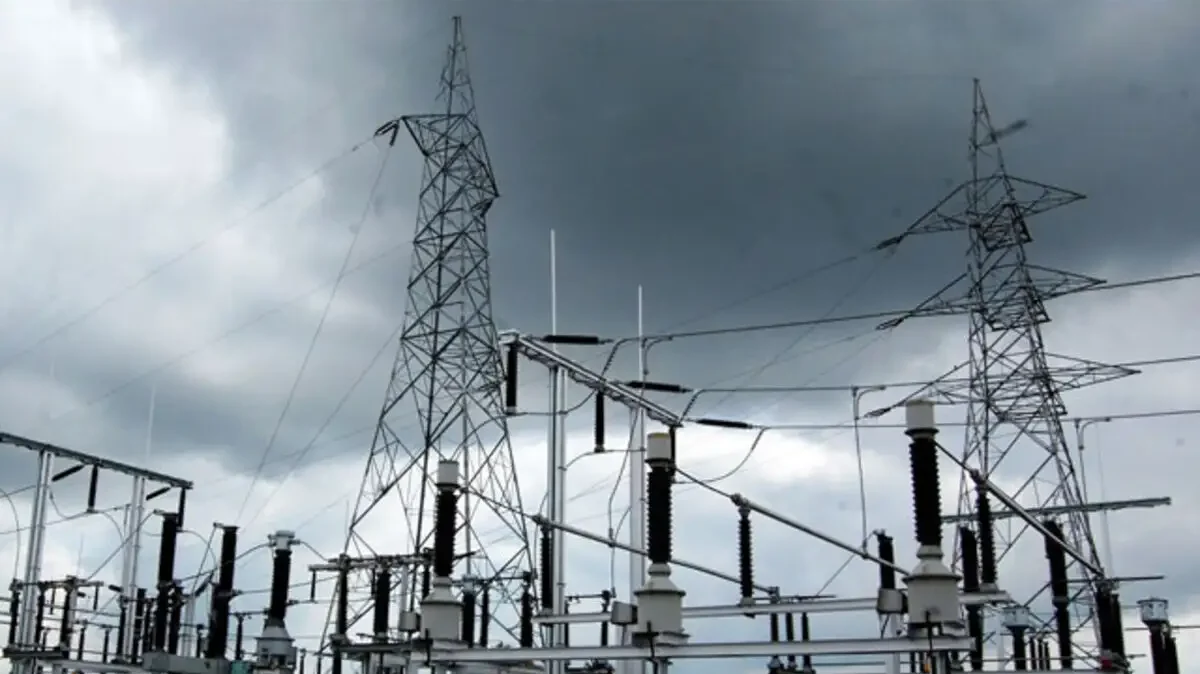
The Ministry of Power has introduced the Draft National Electricity Policy (NEP) 2026, aimed at revolutionizing India’s power sector to align with the nation’s vision of _Viksit Bharat @ 2047_. This new policy seeks to replace the existing framework established in 2005 and introduces ambitious goals to enhance the electricity landscape across the country.
Initially outlined in February 2005, the first National Electricity Policy tackled pressing issues in the energy sector such as demand-supply gaps, limited electricity access, and insufficient infrastructure. Since then, India’s power sector has made significant strides, quadrupling its installed generation capacity and achieving universal electrification by March 2021. Furthermore, the establishment of a unified national grid in December 2013 and an increase in per capita electricity consumption to 1,460 kWh for the 2024–25 period mark substantial progress in addressing historical energy challenges.
Despite these advancements, challenges still loom, particularly within the distribution segment. Issues such as high accumulated losses, outstanding debts, and non-cost-reflective tariffs continue to hinder the sector’s efficiency and competitiveness, especially for industrial consumers.
A Comprehensive Vision for the Future
The Draft NEP 2026 presents a strategic framework designed to secure a robust energy future. It sets an ambitious goal of achieving per capita electricity consumption of 2,000 kWh by the year 2030, aiming for over 4,000 kWh by 2047. This policy also emphasizes India’s commitment to climate action, targeting a 45 percent reduction in emissions intensity from 2005 levels by 2030 and achieving net-zero emissions by 2070.
Key Initiatives of the Draft NEP 2026
The policy outlines significant interventions aimed at enhancing various aspects of the energy sector:
- Resource Adequacy: Decentralized planning at the utility and state levels will be enforced to ensure adequate capacity expansion.
- Financial Viability: Recommendations include tariff revisions linked to a suitable index and exemptions on cross-subsidies for key industrial sectors.
- Renewable Energy & Storage: Market-driven mechanisms will facilitate capacity additions in renewable energy, alongside incentives for decentralized energy systems.
- Thermal & Nuclear Generation: Enhanced integration of existing thermal facilities and advancements in nuclear technology aim to utilize energy resources optimally.
- Distribution Improvements: A focus on reducing losses in the distribution segment and creating Distribution System Operators (DSOs) will improve operations and efficiency.
Other critical areas addressed in the draft include cybersecurity measures to safeguard data integrity, strategies for effective data sharing, and advancements in technology and skill development within the power sector.
The comprehensive approach presented in the Draft NEP 2026 strives to create a financially viable, environmentally sustainable, and future-ready power sector. The aim is to ensure reliable, high-quality electricity service at affordable rates, fostering the overarching goals of Viksit Bharat @2047.
Observer Voice is the one stop site for National, International news, Sports, Editor’s Choice, Art/culture contents, Quotes and much more. We also cover historical contents. Historical contents includes World History, Indian History, and what happened today. The website also covers Entertainment across the India and World.

