

Impact of Trump’s New H-1B Visa Rules and $100,000 Fee on Indian Companies: Exploring Alternatives

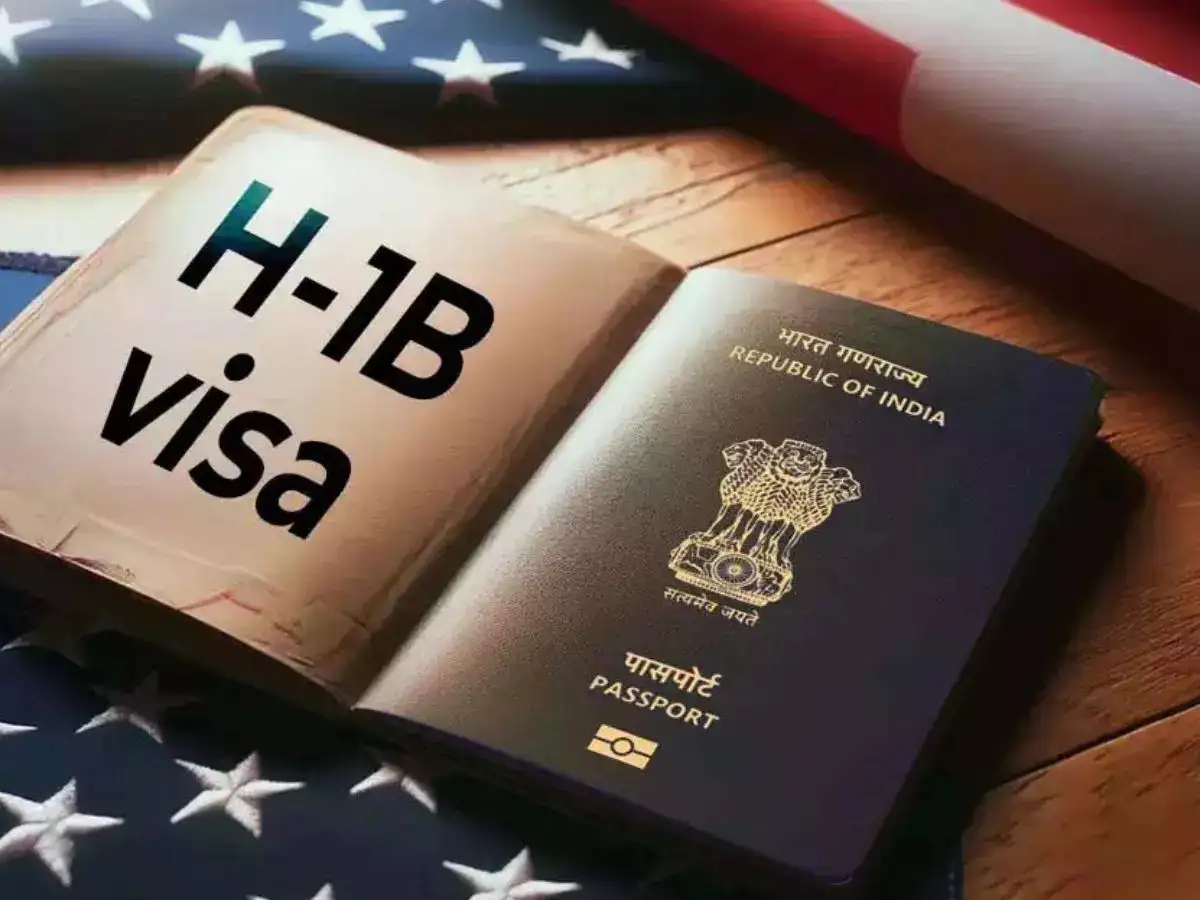
New regulations surrounding the H-1B visa program have sparked significant concern among Indian professionals seeking employment in the United States. The Trump administration’s recent changes include a dramatic increase in application fees and the elimination of the lottery system for visa selection. These moves are seen as a tightening of immigration policies, raising questions about the future of skilled foreign workers in the U.S. The implications of these changes are particularly pronounced for Indian nationals, who make up the largest group of H-1B visa holders.
Overview of the New H-1B Visa Rules
The recent modifications to the H-1B visa program represent a significant shift in how the U.S. selects skilled foreign workers. The Trump administration has introduced two key changes: a one-time surcharge of $100,000 for new H-1B petitions filed from outside the U.S. and a transition from a lottery-based selection system to one that prioritizes higher salaries and specialized skills. Previously, applicants had an equal chance of selection through a random lottery system. Under the new rules, those with higher salaries and more specialized skills will have a better chance of being selected for an H-1B visa.
These changes will take effect on February 27, 2026, for the fiscal year 2027 H-1B cap registration season. The annual quota for H-1B visas remains unchanged at 85,000, which includes 65,000 under the regular cap and 20,000 for applicants with advanced degrees from U.S. institutions. The new system is expected to have a particularly significant impact on Indian professionals, who represent over 70% of H-1B visa holders.
Impact on Indian Professionals
The new regulations pose a dual challenge for Indian professionals seeking H-1B visas. Firstly, the application fee has surged from an average of $5,000 to an astonishing $100,000, making it significantly more expensive to apply. Secondly, the shift to a wage-weighted selection process means that many applicants, particularly recent graduates and those without multinational company experience, may find themselves at a disadvantage. This group often includes software engineers, data analysts, and other skilled workers who typically rely on the H-1B lottery system for their visa applications.
Experts suggest that the fee increase and the new selection criteria will likely reduce the number of applicants. Kuldip Kumar, a partner at Mainstay Tax Advisors, notes that the new system may filter out many potential candidates, leaving only those with higher salaries and specialized skills. This could lead to a more competitive environment, where only the most qualified candidates are selected.
Exploring Alternatives to H-1B Visas
As the H-1B visa route becomes increasingly restrictive, both employers and professionals are exploring alternative pathways to work in the U.S. While there is no direct substitute for the H-1B visa, several options exist depending on individual qualifications and circumstances. One alternative is the L-1 visa, which allows multinational companies to transfer employees to the U.S. However, this option is limited to those who have worked for the same employer outside the U.S. for at least one continuous year.
Other alternatives include the EB-5 visa, which offers a pathway to a green card through investment, and the O visa for individuals with extraordinary abilities. These options may provide viable routes for those facing challenges with the H-1B visa process. Piyush Gupta, Vice President at CanAm Enterprises, highlights the growing interest in the EB-5 visa among Indian families seeking stability and long-term residency in the U.S.
The Future of Immigration Policies
The unpredictability of immigration policies under the Trump administration raises concerns for many applicants. Experts warn that the recent changes signal a broader trend toward stricter scrutiny and higher compliance costs for employers. Kuldip Kumar emphasizes that applicants may face increased scrutiny during the application process, including more rigorous interviews and background checks.
As the U.S. continues to focus on protecting domestic employment and wages, it is possible that other employment-based visa categories, including the L-1, may also come under closer examination. While the current changes are significant, ongoing discussions in Congress regarding immigration reform could lead to further adjustments in the future. The evolving landscape of U.S. immigration policy will undoubtedly shape the experiences of skilled foreign workers, particularly those from India, in the years to come.
Observer Voice is the one stop site for National, International news, Sports, Editor’s Choice, Art/culture contents, Quotes and much more. We also cover historical contents. Historical contents includes World History, Indian History, and what happened today. The website also covers Entertainment across the India and World.
Follow Us on Twitter, Instagram, Facebook, & LinkedIn

