

Gold Prepares for a Turbulent Week Amid Rising Middle East Tensions, Say Analysts

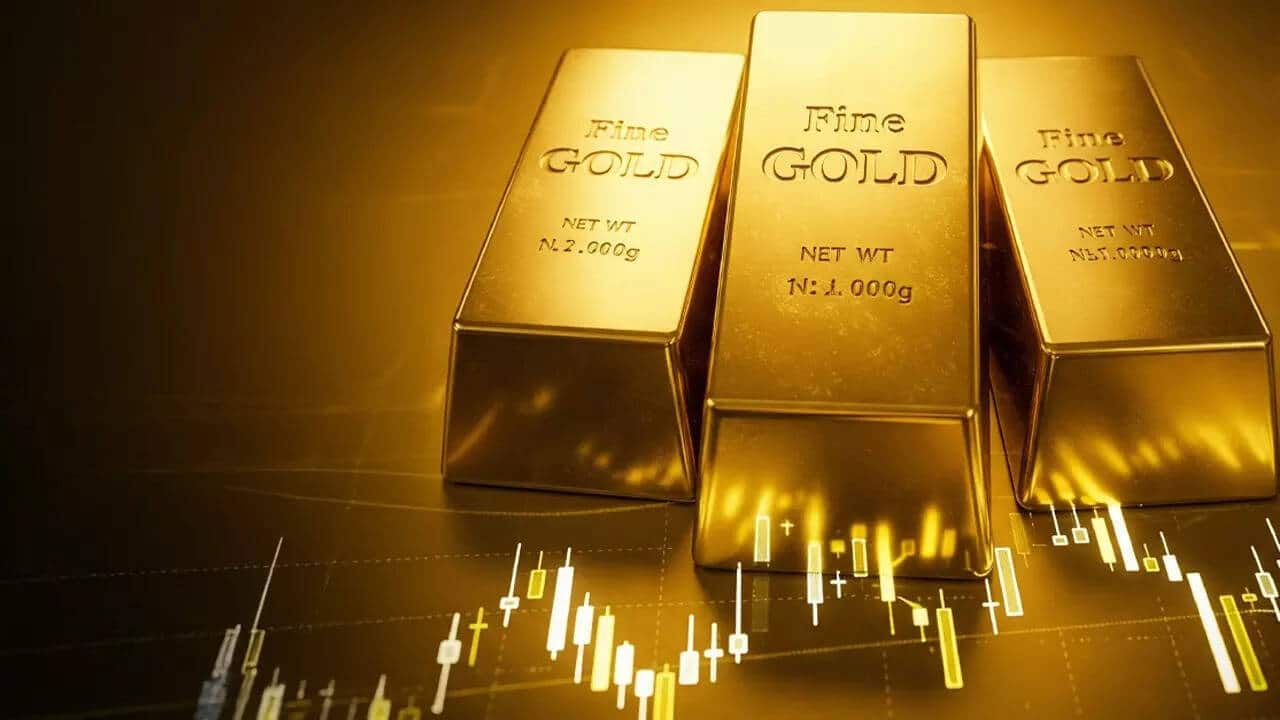
After experiencing significant fluctuations last week, gold prices are anticipated to remain unstable in the near future. Analysts attribute this volatility to rising tensions in the Middle East and the release of crucial global economic data. Investors are closely monitoring the ongoing conflict involving Israel and Iran, as any escalation could bolster demand for gold as a safe-haven asset, while signs of de-escalation may lead to profit-taking in the market.
Market Reactions to Geopolitical Tensions
The current geopolitical climate is a major factor influencing gold prices. Analysts emphasize that developments in the Middle East will be pivotal in determining market trends. Pranav Mer, vice president of Commodity and Currency Research at JM Financial Services, noted that any further escalation in the conflict could positively impact gold prices. Conversely, indications of easing tensions may prompt investors to sell off their holdings. This dynamic creates a precarious environment for gold, as market participants weigh the potential risks and rewards associated with their investments.
In addition to gold, silver is also experiencing heightened volatility, although it is currently in a consolidation phase. Mer pointed out that silver’s price movements are influenced by the fluctuations in gold and other industrial metals like copper and zinc. As a result, silver is trading with significant volatility but remains constrained by these consolidative trends.
Domestic Market Trends
In the domestic market, bullion futures have shown sharp swings over the past week. On the Multi Commodity Exchange (MCX), silver prices fell by Rs 14,359, or 5.08 percent, while gold experienced a decline of Rs 470, or 0.3 percent. Prathamesh Mallya, deputy vice president of Research at Angel One, reported that gold traded within a broad range of Rs 1.59 lakh to Rs 1.70 lakh per 10 grams last week. This range reflects the ongoing volatility and uncertainty in the market, driven by various external factors.
Several elements are currently shaping bullion prices, including geopolitical tensions, robust demand from Asian markets, ongoing purchases by central banks, high US Treasury yields, and a strong US dollar. These factors contribute to the complex landscape that investors must navigate as they make decisions regarding their bullion investments.
Global Price Movements
On the global stage, silver futures on the Comex market dropped by USD 8.98, nearly 10 percent, during the week, while gold prices fell by USD 89.2, or 1.7 percent. Analysts observed that gold ended the week in negative territory as investors shifted their focus to alternative safe-haven assets, such as the US dollar, Swiss franc, and government bonds. Despite the ongoing geopolitical tensions, these shifts helped to limit deeper losses in gold prices.
Looking ahead, investors will be closely monitoring key economic indicators that could impact market dynamics. Upcoming data releases include inflation and trade figures from China, inflation readings from the US, Germany, and India, as well as US consumer sentiment and the Personal Consumption Expenditures (PCE) price index. These indicators are expected to influence global growth expectations and the outlook for monetary policy, further shaping the landscape for gold and silver prices in the coming weeks.
Observer Voice is the one stop site for National, International news, Sports, Editor’s Choice, Art/culture contents, Quotes and much more. We also cover historical contents. Historical contents includes World History, Indian History, and what happened today. The website also covers Entertainment across the India and World.

