

Fossil Fuels Make a Comeback: Peak Demand Delayed to 2030s as Oil Prices Rebound

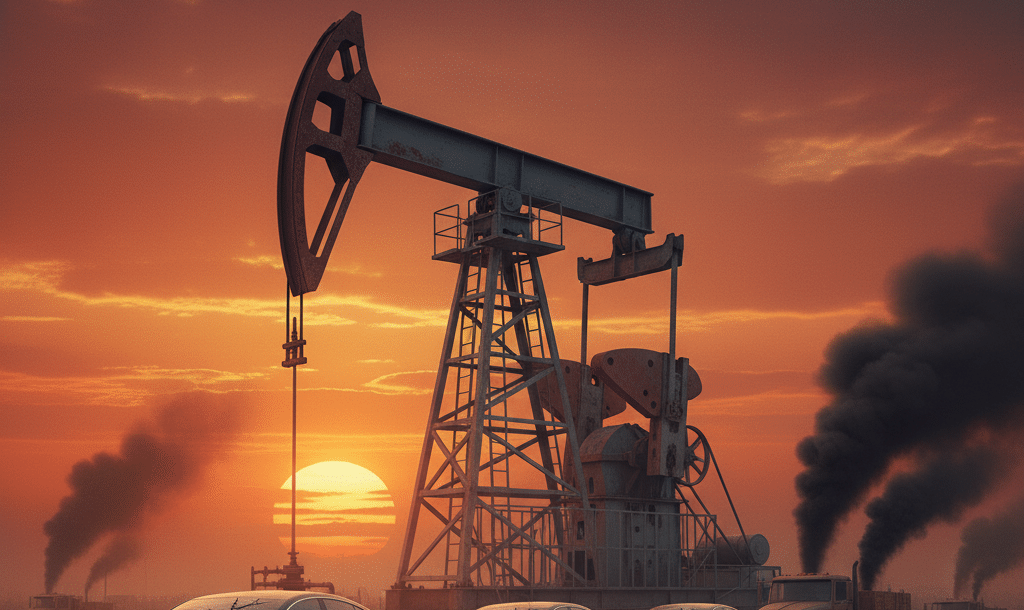
After years of speculation about a peak in global oil demand due to the rise of renewable energy, 2025 has marked a significant shift in this narrative. Oil and gas have regained prominence, with India emerging as a crucial driver of global consumption. Major energy forecasts from organizations like BP, McKinsey, and the International Energy Agency have pushed expectations for peak oil demand into the 2030s, while also increasing projected demand for 2050. India is expected to lead this growth, surpassing energy demand increases from both China and Southeast Asia combined.
Policy Delays and Geopolitical Tensions Revive Fossil Fuels
In 2025, the resurgence of oil can be attributed to several factors, including delays in clean energy policies, inadequate infrastructure, and ongoing geopolitical tensions. European nations, despite being at the forefront of clean energy initiatives, have found themselves relying more on fossil fuels due to supply shortages and soaring prices stemming from the Russia-Ukraine conflict. In the United States, the administration under President Donald Trump has also favored fossil fuels, contributing to oil’s renewed significance in the global energy landscape. This combination of factors has led to a complex energy environment where fossil fuels remain a critical component of energy strategies worldwide.
India’s Shifting Import Patterns
India’s oil and gas sector is undergoing a transformation influenced by global trends, including changes in import patterns and rising demand. The country continues to depend heavily on crude oil imports, with Russian oil playing a significant role despite international pressures. The United States has urged India to reduce its purchases of Russian oil, even imposing a 50 percent tariff on Indian goods. Nevertheless, Russian crude accounted for over one-third of India’s oil imports for much of the year, supplying domestic refineries that produce essential fuels like petrol and diesel. Following sanctions on major Russian exporters in late November, imports from Russia began to decline, dropping from approximately 1.7 to 1.8 million barrels per day to below 1 million. However, as Russian oil itself was not sanctioned, refiners have managed to continue sourcing from non-sanctioned Russian suppliers to maintain access to discounted crude.
Supply Diversification and Policy Reforms
To mitigate over-reliance on any single country, India has diversified its oil imports, increasing purchases from the United States, particularly after the introduction of new tariffs. Additionally, there has been a notable rise in trade involving liquefied natural gas (LNG) and liquefied petroleum gas (LPG). The Indian government has also implemented new regulations for the oil and gas sector, known as the Petroleum and Natural Gas Rules, 2025. These regulations aim to establish a more streamlined licensing process and encourage investment in oil and gas exploration and production, reflecting a proactive approach to energy security.
Rising Demand and Refining Expansion
India’s oil consumption is projected to grow at a rate faster than that of China in 2025, positioning the country as a significant contributor to global demand growth in the coming decade. The expansion of India’s refining capacity further solidifies its role as a global refining hub. However, challenges persist in crude oil and gas production due to aging oil fields. To address these issues, the state-owned Oil and Natural Gas Corporation (ONGC) has partnered with BP to enhance production at key fields in Mumbai. Additionally, the use of natural gas is on the rise, supported by improvements in pipeline infrastructure and the expansion of city gas distribution networks, aligning with government initiatives to promote cleaner energy sources.
Calm Oil Prices Offer Fiscal Relief
Despite ongoing geopolitical conflicts, sanctions, and trade challenges, oil prices remained surprisingly stable in 2025. Brent crude prices fluctuated between $60 and $70 per barrel, dipping to around $59–60 by mid-December. This stability can be attributed to increased oil production from non-OPEC countries such as the United States, Brazil, Guyana, and Canada, alongside effective supply management by OPEC+. For major oil importers like India, these steady prices provided fiscal relief. Similar to the period during the COVID-19 pandemic, the Indian government raised taxes on petrol and diesel without increasing retail prices, using the drop in crude prices to manage tax hikes and enhance revenue. As 2025 concludes, the oil and gas sector faces a multifaceted outlook, balancing geopolitical risks and demand growth with climate pressures and strategic shifts in the global energy landscape.
Observer Voice is the one stop site for National, International news, Sports, Editor’s Choice, Art/culture contents, Quotes and much more. We also cover historical contents. Historical contents includes World History, Indian History, and what happened today. The website also covers Entertainment across the India and World.

