

FMCG and Auto Companies Pause Price Increases, Exercise Caution Following Recent GST Cuts

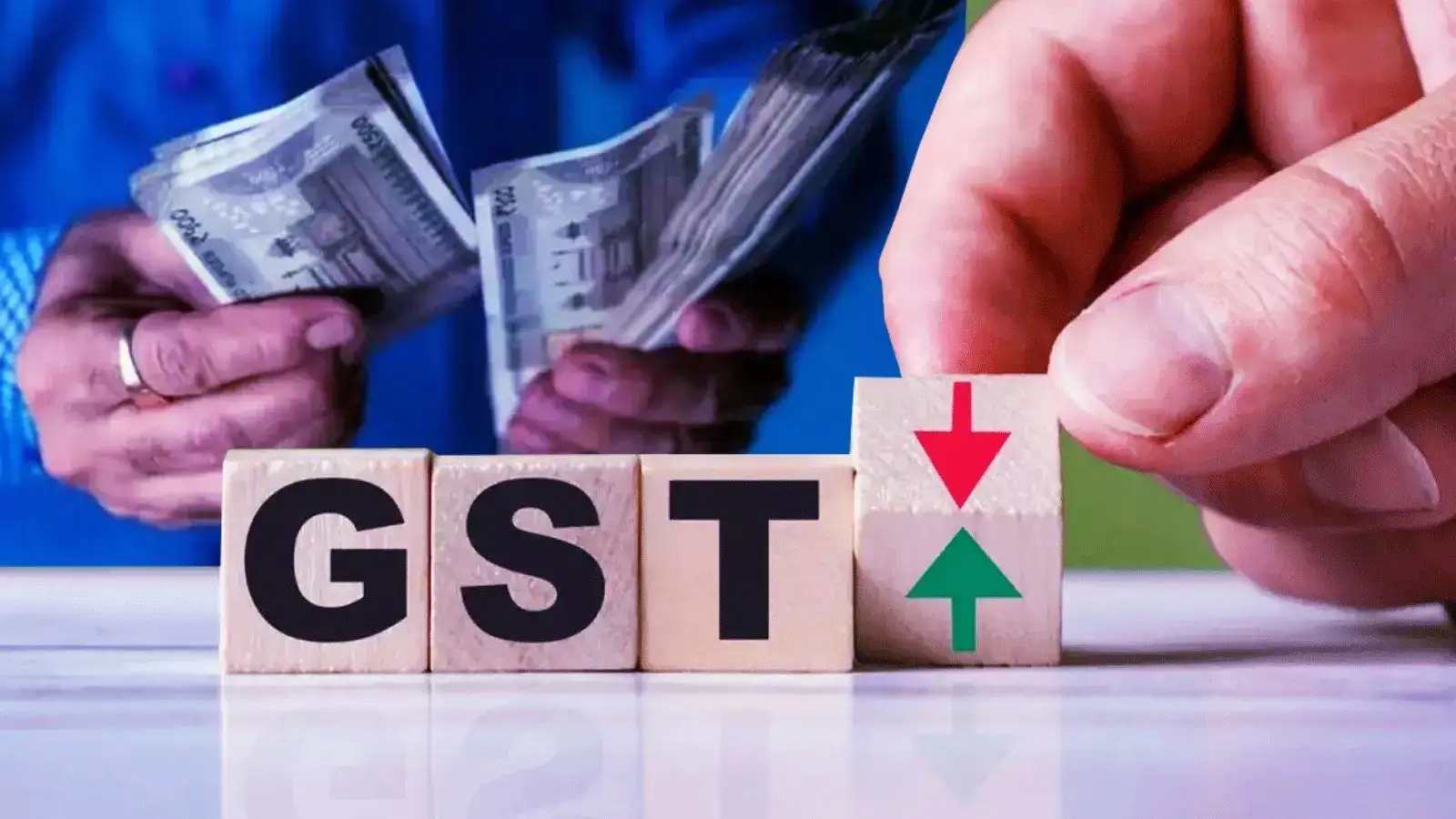
Rising production costs are increasingly challenging consumer goods manufacturers, who are opting to postpone price increases. This cautious approach stems from concerns that any price hikes could provoke government intervention, particularly following recent reductions in Goods and Services Tax (GST). Executives from various sectors, including soaps, biscuits, detergents, automobiles, and consumer electronics, are seeking clearer guidance from the government and GST authorities regarding pricing strategies.
Manufacturers Seek Clarity on Pricing
Executives from major consumer goods companies are voicing their concerns about rising production costs and the potential impact on pricing strategies. Many firms are hesitant to implement price increases, fearing that such moves could lead to government action in light of recent GST reductions. Industry leaders are planning to engage with government officials and GST authorities through their respective associations to gain clearer insights on pricing policies.
In the automotive sector, manufacturers like Maruti Suzuki and Hyundai Motor are currently evaluating their options. Traditionally, these companies adjust prices in January, but the depreciation of the rupee has increased the costs of imported components. As a result, they may delay any price adjustments unless they receive timely clarity from the government. This uncertainty is compounded by a strong demand for vehicles, leading to longer waiting periods for popular models.
Electronics and Consumer Goods Hold Prices Steady
In the electronics market, LG has decided to maintain its prices for televisions and air conditioners despite facing significant cost increases. The company is contending with a 60% rise in global memory chip prices and new energy regulations that could necessitate a 6-9% price increase for air conditioners starting in January. Meanwhile, a senior official from a prominent biscuit manufacturer indicated that the industry anticipates holding off on price changes until March 2026, as the government aims to stimulate consumer spending.
Additionally, Wipro Consumer Care has announced its intention to absorb rising costs for the time being. The company expects that increased sales volumes, driven by GST-related price reductions, will help alleviate margin pressures. Vineet Agrawal, the chief executive of Wipro Consumer Care and Lighting, stated that they do not plan to raise prices until at least the end of January, depending on competitive behavior in the market.
Consumer Goods Companies Remain Cautious
Executives from various consumer goods sectors, including detergents, cosmetics, and household insecticides, have indicated that while they technically have room to increase prices, they are proceeding with caution. This is particularly true for segments that have not been affected by recent GST changes. For instance, Nestle has made only minor adjustments to the prices of its packed yogurt products, limiting these changes to just two cities.
The overall sentiment among manufacturers is one of restraint, as they navigate the complexities of rising costs and government policies. Many companies are prioritizing consumer demand over immediate profit margins, reflecting a broader strategy to maintain market share during uncertain economic times. As the situation evolves, industry leaders are closely monitoring market conditions and government responses to determine their next steps.
Observer Voice is the one stop site for National, International news, Sports, Editor’s Choice, Art/culture contents, Quotes and much more. We also cover historical contents. Historical contents includes World History, Indian History, and what happened today. The website also covers Entertainment across the India and World.

