

FM Sitharaman Highlights India’s Debt-to-GDP Ratio as Lowest Among Major Economies, Suggests Potential for Rate Cuts

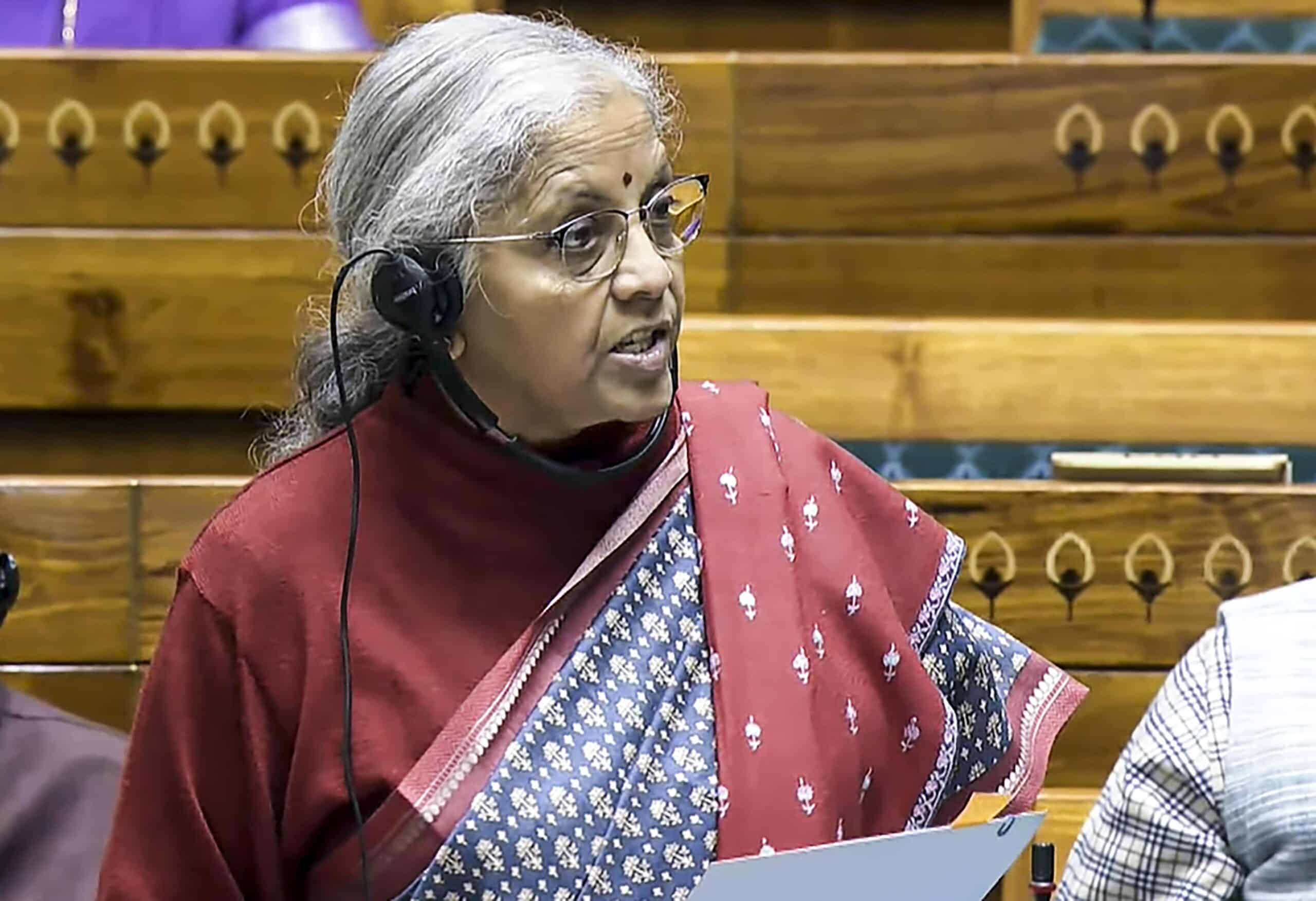
Finance Minister Nirmala Sitharaman emphasized India’s strong position in debt management during a recent event organized by the National Institute of Public Finance and Policy (NIPFP). With a debt-to-GDP ratio of approximately 81%, India stands out among major economies, even as global economic conditions become increasingly volatile. Sitharaman also highlighted the potential risks posed by ongoing geopolitical tensions, particularly in the Middle East, which threaten global energy supply chains and economic stability.
India’s Debt Management Strength
Sitharaman’s remarks come at a critical time when many countries are grappling with rising public debt and economic uncertainty. She pointed out that India’s overall debt-to-GDP ratio is the lowest among major economies, positioning the country favorably in terms of debt sustainability. Despite the challenges posed by the global economic environment, which is characterized by volatility and complexity, India has sufficient fiscal space to address emerging challenges. The Finance Minister noted that this fiscal space allows for potential support to affected sectors, increased capital expenditure, and possible interest rate cuts by the Reserve Bank of India (RBI).
Sitharaman’s confidence in India’s fiscal position reflects a broader strategy to navigate the complexities of the current global economic landscape. She underscored the importance of being prepared for potential shocks, particularly those stemming from geopolitical tensions that could disrupt energy supplies and economic stability worldwide.
Monetary Policy Committee’s Deliberations
As concerns about inflation rise due to the ongoing Middle East crisis, the Reserve Bank of India’s Monetary Policy Committee (MPC) commenced its three-day meeting to discuss the first bi-monthly monetary policy of the fiscal year. Analysts expect the MPC to maintain the current benchmark lending rate, given the potential for inflationary pressures stemming from geopolitical tensions and fluctuating commodity prices. The committee, led by RBI Governor Sanjay Malhotra, is set to announce its decisions on Wednesday.
The RBI has implemented a series of rate cuts, totaling 125 basis points since February 2025, marking its most aggressive easing cycle since 2019. However, the recent surge in global crude oil prices poses a significant risk to domestic inflation. Experts warn that every $10 increase in crude oil prices could raise inflation by up to 0.60%. With crude prices rising above $100 per barrel since the onset of the conflict, the impact on transportation and core inflation is a growing concern.
Inflation Targeting Framework
The Indian government has mandated the RBI to maintain retail inflation at 4%, with a tolerance band of +/-2%, for another five years, extending until March 2031. This inflation-targeting framework, adopted in 2016, tasks the MPC with keeping annual inflation within a specified range. Recent data indicates that retail inflation rose to 3.21% in February, up from 2.74% in January, highlighting the ongoing challenges in managing price stability.
As the MPC deliberates on its monetary policy, it must consider the implications of rising inflation and the potential for second-round effects on domestic prices. The interplay between global crude oil prices, currency fluctuations, and domestic inflation will be critical factors in shaping the RBI’s policy decisions in the coming months.
Observer Voice is the one stop site for National, International news, Sports, Editor’s Choice, Art/culture contents, Quotes and much more. We also cover historical contents. Historical contents includes World History, Indian History, and what happened today. The website also covers Entertainment across the India and World.

