

Finance Commission Unveils New Corporate Strategy to Organize Chaotic Urban Environments

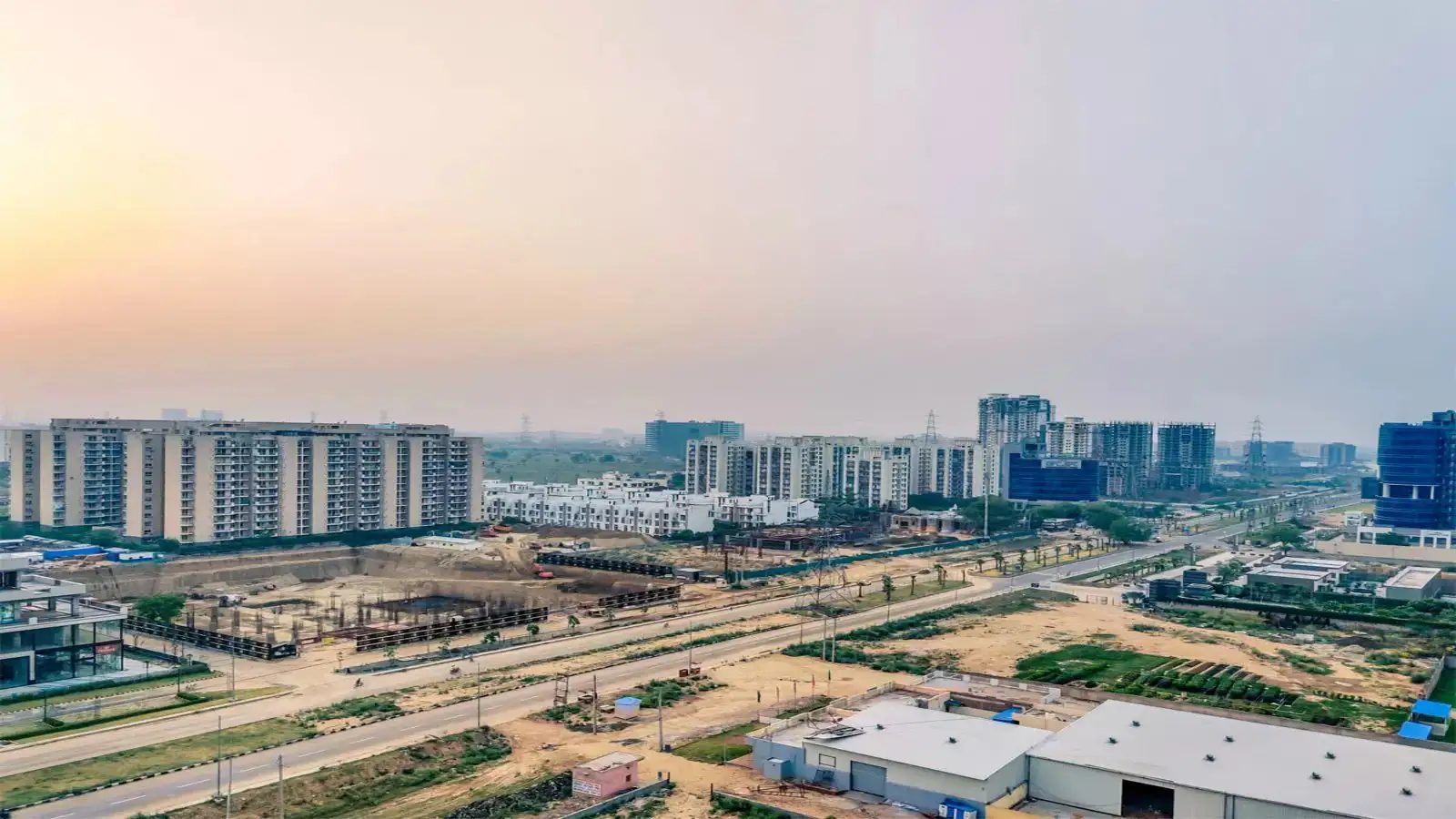
The Finance Commission of India has unveiled a strategic plan aimed at fostering orderly urban growth, particularly in mid-sized cities. The 16th Finance Commission’s recommendations focus on integrating peri-urban areas into municipal bodies and modernizing drainage systems in cities with populations ranging from 1 to 4 million. This initiative seeks to address the urgent need for improved infrastructure in smaller municipalities, which often struggle to fund significant projects independently. The report emphasizes the importance of enhancing municipal finances through property tax reforms to support sustainable urban development.
Strengthening Urban Infrastructure
The Finance Commission has identified the modernization of drainage infrastructure as a critical priority for mid-sized cities. Many of these urban areas lack the financial resources necessary to undertake large-scale infrastructure projects. The commission’s report highlights that while major metropolitan cities can mobilize funds more effectively, smaller municipalities face significant constraints. To address this disparity, the commission recommends a cost-sharing model for revamping drainage systems in middle-level municipalities. This approach aims to ensure that these cities can manage the increasing demands of urbanization effectively.
The report underscores the role of urbanization in enhancing both rural and urban incomes. As mid-sized cities are expected to accommodate a growing share of the population and economic activity, it becomes essential to improve their infrastructure. The commission believes that investing in these cities will better equip them to handle the rising urban demand and contribute to overall economic growth.
Enhancing Municipal Finances
A key aspect of the Finance Commission’s recommendations is the need to strengthen municipal finances, particularly through reforms in property tax administration. The report points out that property tax remains underutilized across much of India, despite being a vital revenue source for urban local bodies. To improve the levy and collection of property tax, the commission urges states to establish clearer rules and regulations.
One of the proposed measures includes the adoption of Geographic Information System (GIS)-based digital property tax registers. These registers should be integrated with city master plans to ensure automatic updates whenever land-use plans are revised. This integration would allow property records to accurately reflect current land use, facilitating timely revisions in tax assessments. The commission also advocates for mandatory periodic property enumeration and regular updates to property tax in accordance with state laws.
Implementing Technology for Compliance
To enhance compliance in urban areas, the Finance Commission suggests the introduction of online self-assessment systems for property tax. These systems would be supported by automated demand notices and reminders, along with random scrutiny of returns to ensure accuracy. The report emphasizes the importance of unique property identification numbers to streamline tax billing and collections.
Furthermore, the commission recommends linking the property database with other essential databases, such as water, sewerage, electricity, trade licenses, and building permissions. This integration would facilitate automatic verification of property attributes and assessment records, making the tax collection process more efficient. By implementing these technological advancements, the commission believes municipalities can stabilize their finances and support sustainable urban expansion.
Observer Voice is the one stop site for National, International news, Sports, Editor’s Choice, Art/culture contents, Quotes and much more. We also cover historical contents. Historical contents includes World History, Indian History, and what happened today. The website also covers Entertainment across the India and World.

