

Experts Weigh In: Could RBI’s Strategy to Halt Rupee Decline Backfire?

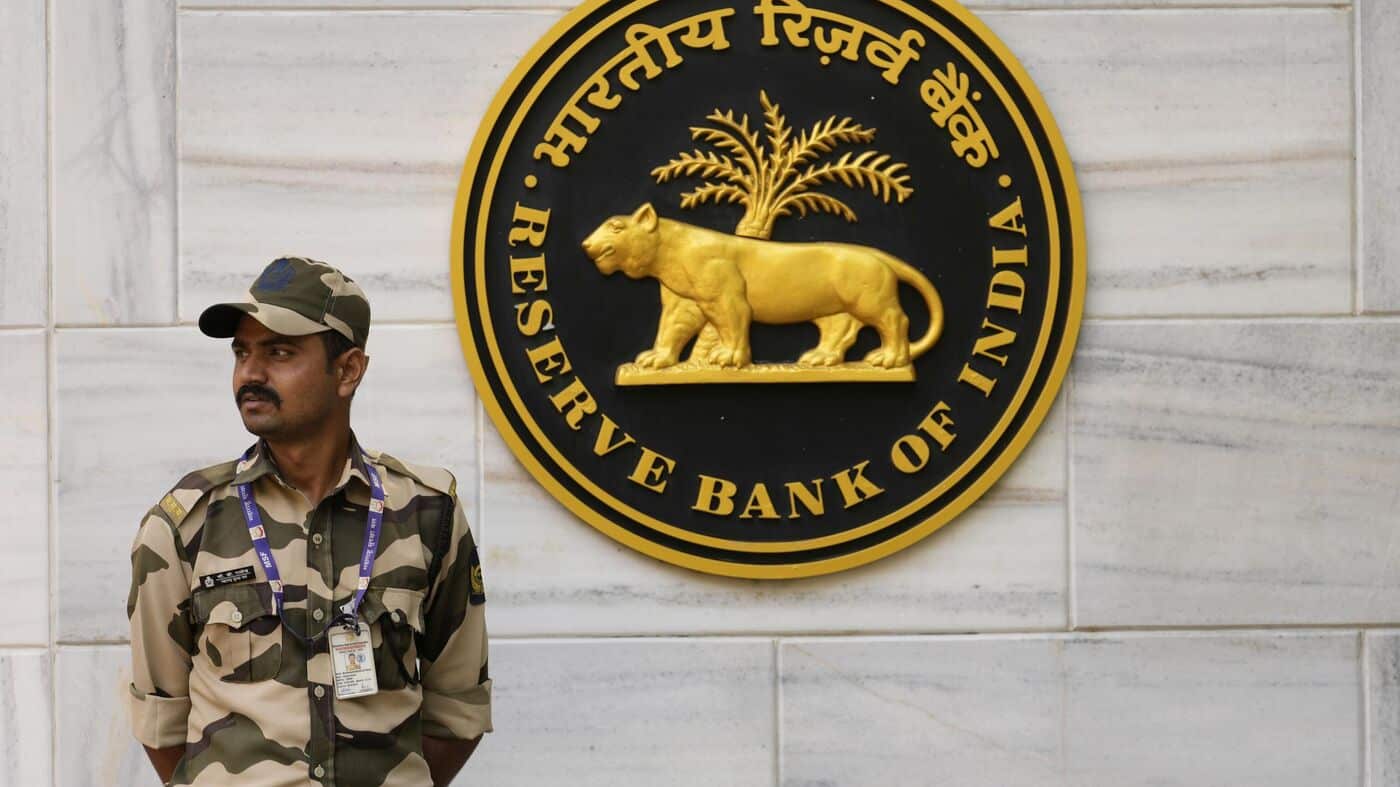
The Reserve Bank of India’s (RBI) recent intervention to stabilize the falling rupee has sparked concerns among global investors. The central bank’s aggressive measures, aimed at curbing the currency’s decline amid geopolitical tensions, have raised questions about India’s commitment to integrating with global financial markets. While the rupee has shown signs of recovery, the implications of these restrictions could deter foreign investment and complicate the financial landscape for domestic banks.
RBI’s Intervention and Market Reactions
The RBI’s intervention began in late March when it imposed a cap on banks’ daily currency positions in the domestic market, limiting them to $100 million. This move was intended to stabilize the rupee, which had been under pressure due to the ongoing Iran conflict. However, the sudden nature of these restrictions left many investors and lenders uncertain about the RBI’s long-term strategy. As a result, banks rushed to unwind approximately $30 billion in arbitrage trades, leading to significant market volatility.
Following the RBI’s actions, the rupee rebounded by over 2%, reaching 92.66 against the dollar. Despite this recovery, analysts warn that banks could face substantial losses, potentially amounting to hundreds of millions of dollars. The increased costs of hedging have also complicated efforts for investors to protect their positions, leading to a reduction in foreign investment in Indian bonds. The RBI’s lack of clear communication regarding its intentions has raised concerns about policy consistency and transparency, which are crucial for attracting global investors.
Concerns Over Policy Consistency
The RBI’s recent measures have drawn criticism for potentially reversing years of liberalization efforts aimed at integrating India into global financial markets. Sanjay Guglani, chief investment officer at Silverdale Capital, noted that the RBI’s discretionary actions could deter offshore investors from engaging with rupee assets. Economists at BofA Securities echoed these concerns, suggesting that the RBI’s current approach could undermine the progress made since the 2013 taper tantrum, which had previously strengthened India’s market appeal.
The RBI’s restrictions extend to offshore derivatives, prohibiting lenders from offering non-deliverable forwards (NDFs). This move targets investors who had been using NDFs to build short positions on the rupee, as well as banks involved in arbitrage strategies that contributed to the currency’s decline. The central bank’s actions reflect a coordinated effort to eliminate bearish bets on the rupee, but they also risk creating a perception that India is stepping back from its commitment to global financial integration.
Impact on Foreign Investment and Market Liquidity
The RBI’s swift actions come amid a challenging external environment characterized by rising US tariffs and increased energy prices due to the Iran conflict. These factors have exacerbated India’s current account deficit, putting additional pressure on the rupee. While RBI Governor Sanjay Malhotra emphasized that the recent measures are temporary and not indicative of a policy shift, concerns remain about their long-term impact on foreign investment.
The Finance Ministry has sought external expertise to stabilize the rupee, reflecting worries that ongoing depreciation risks may deter foreign institutional investors. Although the latest measures do not prohibit foreign investors from hedging through domestic banks, they have created a wedge between offshore and onshore markets. Analysts warn that this divergence could lead to a vicious cycle, where rising offshore premiums further complicate the situation.
Rajeev De Mello, a global macro portfolio manager, highlighted the need for a reliable investment framework to maintain or increase foreign portfolio allocations to India. The current restrictions have reduced market liquidity and made hedging more challenging, potentially affecting foreign appetite for Indian bonds and future capital inflows.
Observer Voice is the one stop site for National, International news, Sports, Editor’s Choice, Art/culture contents, Quotes and much more. We also cover historical contents. Historical contents includes World History, Indian History, and what happened today. The website also covers Entertainment across the India and World.

