

Disruption in the Strait of Hormuz: Conflict Impacts Middle East Supply Chains and Fuels Global Oil Price Surge

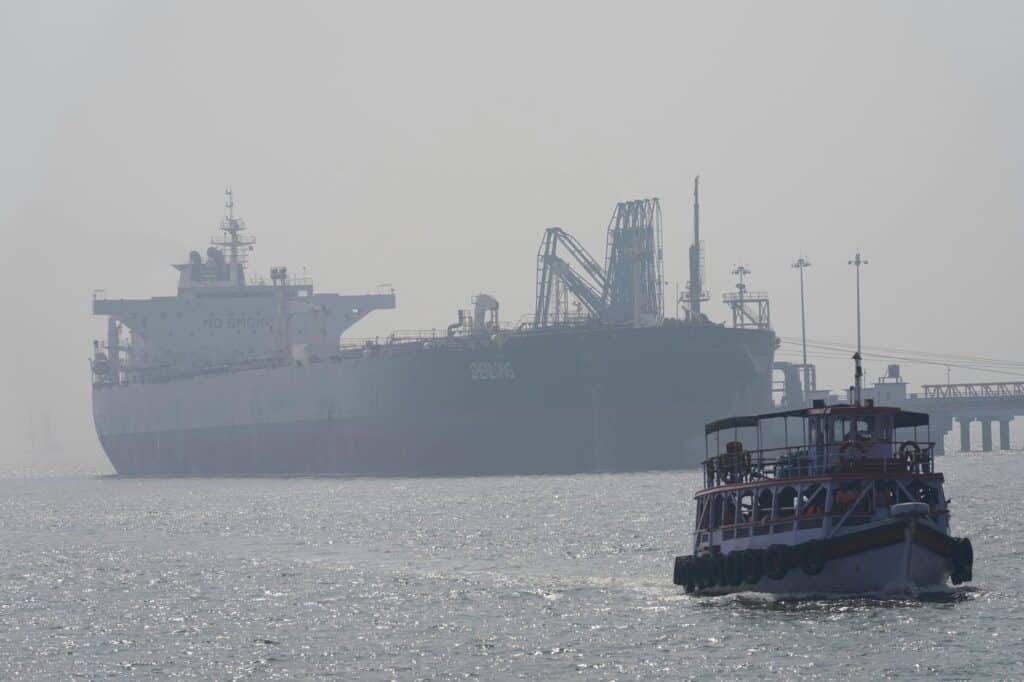
As the conflict in the Middle East escalates into its third week, global oil prices are experiencing a significant surge, particularly for crude oil sourced from the region. The price of cash Dubai crude has reached an unprecedented $153.25 per barrel, surpassing the previous record set in 2008. This spike is causing Asian refiners to face rising costs and prompting them to seek alternative supplies as disruptions to key supply routes continue.
Record Highs for Middle Eastern Crude
The ongoing conflict has led to a dramatic increase in oil prices, with cash Dubai crude assessed at $153.25 per barrel for May-loading cargoes, marking an all-time high. This surge has pushed Dubai’s premium to swaps to $56.01 per barrel. Oman crude futures have also followed suit, reaching a record price of $147.79 per barrel, with its premium to Dubai swaps rising to $50.57 per barrel. Despite these soaring prices, market analysts suggest that the benchmarks may not accurately reflect the broader market conditions, as a significant price gap has developed between Dubai crude and Murban futures, which settled at $111.76 per barrel.
Impact on Asian Refiners
The rising costs of key crude benchmarks are significantly affecting Asian refiners, who depend on these grades for pricing millions of barrels imported into the region. In response to the escalating prices, many refiners are either reducing their operating rates or exploring alternative sources outside the Middle East. The situation is exacerbated by a steep decline in physical supply from the region, with Middle East crude exports to Asia dropping to 11.665 million barrels per day in March, a stark decrease from nearly 19 million barrels per day in February. This decline is attributed to halted shipments through the vital Strait of Hormuz due to the ongoing conflict.
Market Dynamics and Trading Challenges
The current market dynamics have led to a situation where trading of May-loading Middle East crude has effectively stalled. Refining sources have indicated that the recent rally in prices is driven by reduced volumes available in the Platts Market on Close process, following the removal of three crude grades that typically pass through the Strait of Hormuz. Some traders have described the pricing as “unnatural and unfair” due to the thin trading environment, arguing that the remaining grades do not adequately represent the benchmark for pricing Middle Eastern and some Russian crude.
S&P Global Energy has defended its pricing mechanism, asserting that Platts Dubai continues to reflect the value of Middle Eastern sour crude trading in the spot market. Despite this, trading activity has reportedly slowed, with TotalEnergies emerging as the sole active buyer in the Platts window, purchasing 24 cargoes of Oman and Murban crude this month.
Shifts in Supply Sources
With Middle Eastern supply tightening, Asian refiners are increasingly looking to other regions for crude oil. Spot premiums for crude from the Americas and Africa have risen as buyers compete for limited cargoes. Reports indicate that Brazilian crude premiums have surged to between $12 and $15 per barrel over ICE Brent, while April-loading West African crude has seen premiums increase by approximately $1 per barrel compared to the previous month. Most available cargoes from these regions have already been sold, highlighting the competitive landscape as refiners adapt to the changing supply dynamics.
Observer Voice is the one stop site for National, International news, Sports, Editor’s Choice, Art/culture contents, Quotes and much more. We also cover historical contents. Historical contents includes World History, Indian History, and what happened today. The website also covers Entertainment across the India and World.

