

Crude Oil Prices Surge to $112 Amid Attacks on Middle East Energy Hubs During Iran Conflict

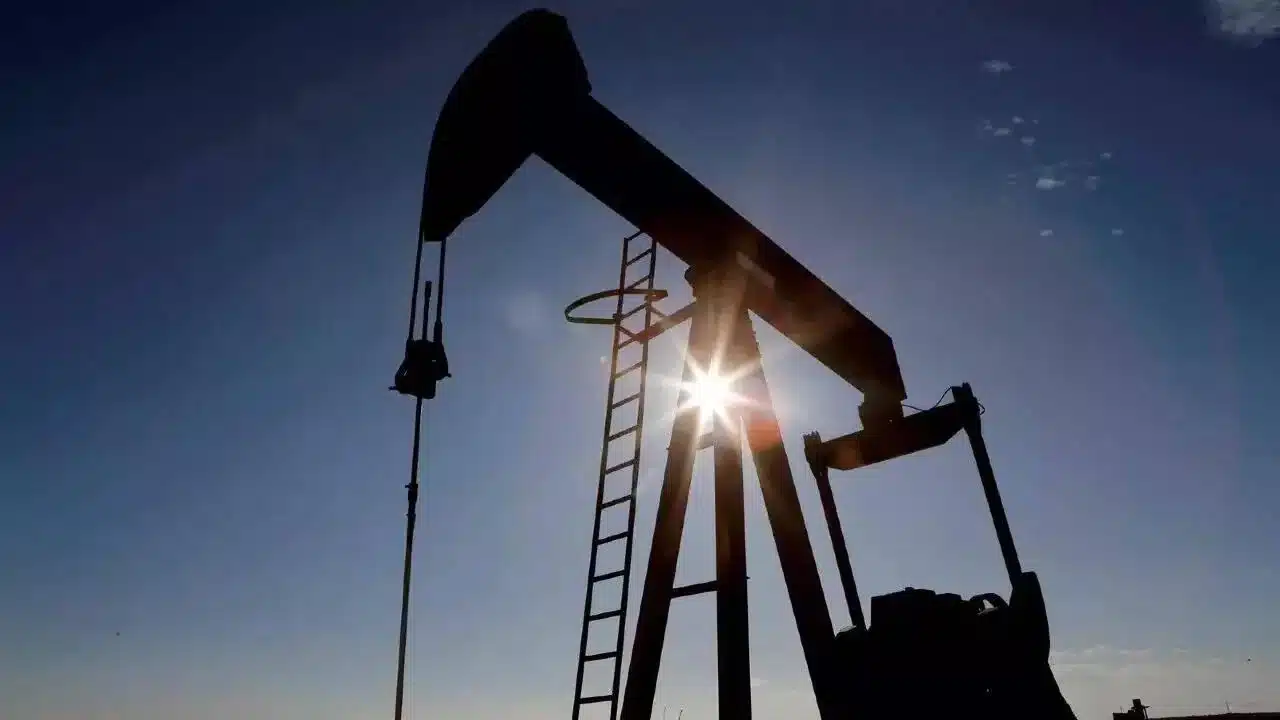
Global oil prices experienced a significant surge on Thursday, while equity markets faced declines due to escalating tensions in the Gulf region. Fresh strikes on energy infrastructure in Iran, coupled with threats from the Islamic Republic against key facilities across the Gulf, have raised alarms about potential supply disruptions. As a result, natural gas prices rose by over 5%, and Brent crude oil climbed to approximately $112 per barrel, nearing its previous peak during the conflict.
Impact of Strikes on Energy Infrastructure
The recent rally in oil prices follows targeted strikes on Iran’s South Pars gas field, the largest of its kind globally, and associated facilities in Asaluyeh. Iran has accused the United States and Israel of orchestrating these attacks and has issued warnings of retaliatory strikes against energy infrastructure in Saudi Arabia, Qatar, and the United Arab Emirates. The Islamic Revolutionary Guard Corps of Iran has identified several potential targets, including the Ras Laffan refinery in Qatar and various petrochemical complexes in Saudi Arabia and the UAE, labeling them as “direct and legitimate targets.” This escalation in hostilities has heightened concerns about the stability of energy supplies in the region.
Disruption of Energy Flows
The ongoing conflict has already begun to disrupt energy flows significantly. Ship traffic through the strategically vital Strait of Hormuz has nearly come to a standstill, while production cuts from major oil producers and shutdowns at critical liquefied natural gas (LNG) facilities in Qatar have further tightened supply. The Ras Laffan Industrial City, a key LNG hub located about 80 kilometers north of Doha, suffered missile strikes that caused extensive damage, according to QatarEnergy. Emergency response teams were deployed to manage fires resulting from the attack, although no casualties have been reported. Qatar’s foreign ministry condemned the strike as a direct threat to national security, and evacuations were initiated at LNG installations following warnings of further Iranian attacks.
Market Reactions and Future Implications
Energy experts suggest that these developments are shifting market focus back to the physical risks associated with supply. The South Pars facility is crucial to global energy supply, having recorded a daily gas production of 730 million cubic meters in 2025. The ramifications of the conflict could extend beyond the immediate region, with countries like Turkey, which relies on Iran for over 10% of its gas imports, potentially seeking additional LNG supplies. This could lead to further tightening of global energy markets. As tensions continue to escalate and critical infrastructure remains under threat, market volatility is expected to persist amid fears of prolonged supply disruptions.
Observer Voice is the one stop site for National, International news, Sports, Editor’s Choice, Art/culture contents, Quotes and much more. We also cover historical contents. Historical contents includes World History, Indian History, and what happened today. The website also covers Entertainment across the India and World.

