

Commission on the Status of Women Concludes Session Amidst Language and Scope Disputes

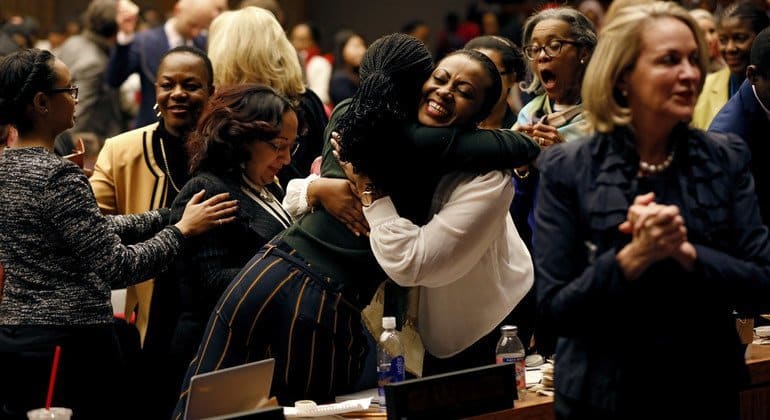
The Commission on the Status of Women wrapped up its seventieth session today, adopting a resolution focused on “women, the girl child and HIV/AIDS.” However, the session was marked by significant tensions, as many delegates expressed dissatisfaction with the Agreed Conclusions adopted last week, which they felt were compromised due to unprecedented objections from certain Member States. The discussions highlighted deep divisions over key issues, particularly regarding sexual and reproductive health rights, with representatives from various countries voicing their concerns and frustrations.
Contentious Agreed Conclusions
The session saw heated debates surrounding the Agreed Conclusions, which were adopted through a recorded vote rather than by consensus, a departure from the Commission’s traditional approach. Delegates from Malaysia and Namibia were particularly vocal, expressing their discontent over the introduction of “undefined concepts” that they believed fell outside the Commission’s mandate. The representative from the United States firmly opposed any references to sexual and reproductive health and rights, asserting that her country would not tolerate the use of multilateral platforms to promote what she termed “dangerous gender ideologies.” This stance was met with pushback from other nations, including Sweden, which argued against reverting to outdated agreements from the Beijing Declaration. Cuba and Canada also criticized the attempts to revisit previously negotiated issues, emphasizing the need to uphold the integrity of the Commission.
Resolution on Women, the Girl Child, and HIV/AIDS
The Commission adopted a resolution titled “Women, the girl child and HIV and AIDS” with a recorded vote of 43 in favor and one against, from the United States. The resolution calls on governments, international partners, and civil society to address the alarming rates of new HIV infections among young women and adolescent girls. South Africa’s representative highlighted the unique vulnerabilities faced by women and girls, exacerbated by factors such as economic dependency and gender-based violence. The U.S. representative reiterated concerns about the terminology used in the resolution, indicating that the lack of consensus on these issues led to the call for a vote. Meanwhile, Egypt and Mali expressed support for the resolution while distancing themselves from the controversial concepts included in the text, emphasizing the need for interpretations aligned with their national values.
No Action on Terminology Draft
In a related development, the Commission decided to take no action on a draft resolution titled “Protection of women and girls through appropriate terminology.” This draft aimed to reaffirm that the term “gender” should be interpreted as referring specifically to men and women, in line with previous agreements. The U.S. representative argued that adhering to this definition would facilitate constructive engagement among countries. However, Belgium, representing the European Union, along with Brazil, proposed a no-action motion, arguing that the draft misrepresented established agreements from the Fourth World Conference on Women. The motion passed with a recorded vote of 23 in favor and 3 against, effectively halting further consideration of the U.S. proposal.
Closing Remarks and Future Sessions
In her closing remarks, Sima Bahous, Executive Director of UN-Women, emphasized the strong message sent to women and girls worldwide regarding the importance of their rights. She noted that the Agreed Conclusions place women’s access to justice at the forefront of the global gender equality agenda. Bahous acknowledged the challenges faced during the session but celebrated the Commission’s commitment to advancing women’s rights. The session concluded with the opening of the seventy-first session, during which Wellington Bencosme from the Dominican Republic was elected as Chair. He expressed a commitment to promoting gender equality and fostering collaboration among Member States. The Commission’s work continues as it strives to address the pressing issues affecting women and girls globally.
Observer Voice is the one stop site for National, International news, Sports, Editor’s Choice, Art/culture contents, Quotes and much more. We also cover historical contents. Historical contents includes World History, Indian History, and what happened today. The website also covers Entertainment across the India and World.
Follow Us on Twitter, Instagram, Facebook, & LinkedIn

