

China Establishes GDP Growth Target Below 5%, Marking Lowest Goal Since 1991

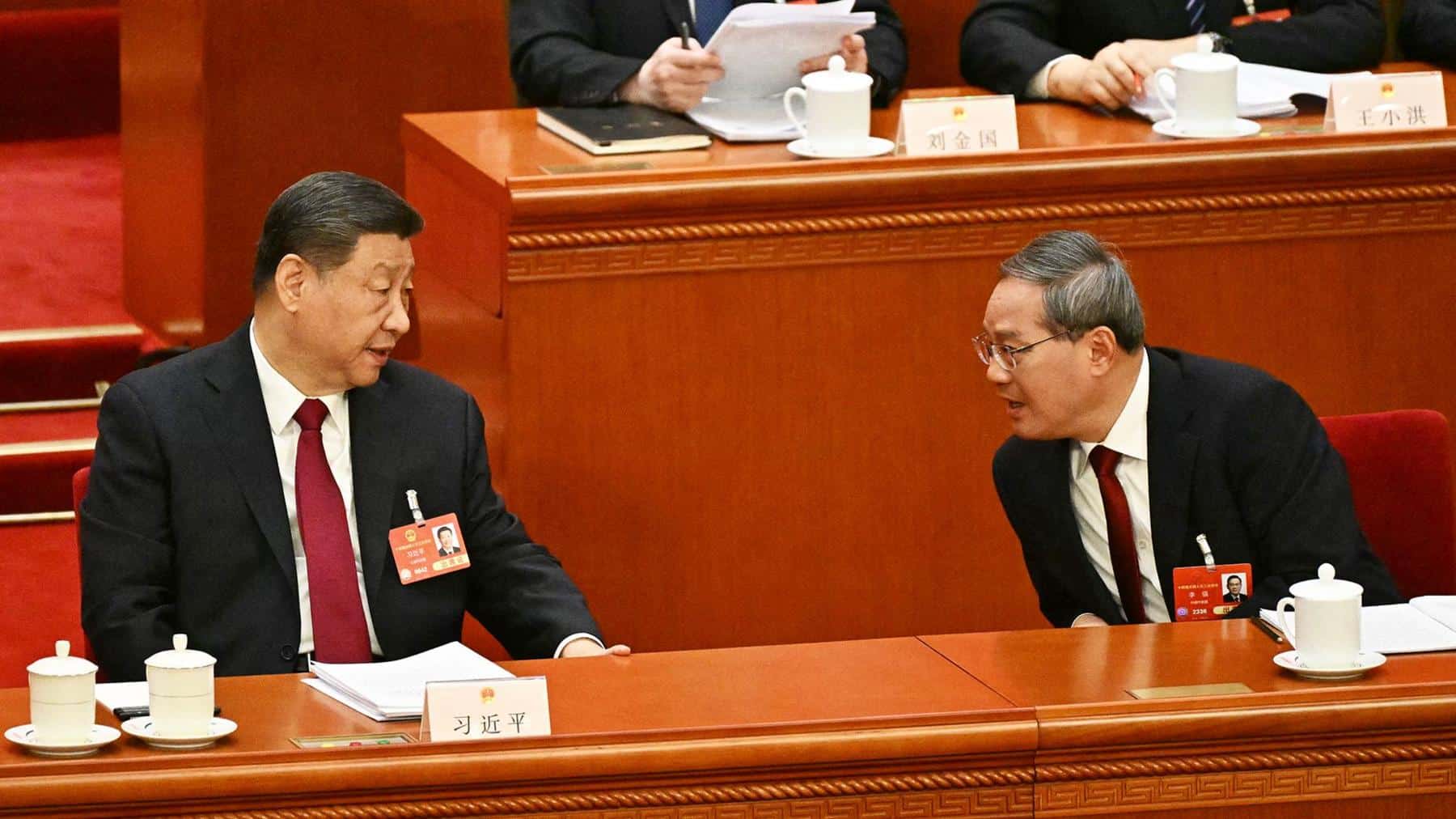
China’s economy is facing significant challenges as it sets its GDP growth target for 2026 at the lowest level in over 30 years. The new goal, ranging between 4.5% and 5%, reflects a combination of external pressures, including tariffs imposed during Donald Trump’s administration and global uncertainties linked to the US-Iran conflict. Meanwhile, India continues to outpace China, maintaining its status as the world’s fastest-growing major economy with a projected growth rate of 7%. This shift in economic outlook was announced by Chinese Premier Li Qiang during the annual National People’s Congress in Beijing.
Factors Contributing to Economic Slowdown
The revised GDP growth target highlights the mounting challenges facing China’s economy. Key factors include the impact of tariffs from the United States, ongoing global uncertainties, and persistent domestic issues such as a downturn in the property market and rising unemployment rates. Premier Li Qiang emphasized these challenges while presenting the government’s work report, which outlines the economic strategy for the coming year. Despite achieving a 5% growth last year, largely supported by strong export performance, domestic consumption remains weak, indicating a reliance on external markets for economic stability.
The government aims to maintain the urban unemployment rate at approximately 5.5% and create over 12 million new urban jobs. Additionally, they plan to keep the consumer price index increase near 2%. These objectives reflect a broader strategy to stimulate domestic demand and reduce reliance on exports. The government is also focused on ensuring that income growth aligns with economic expansion, which is crucial for fostering a more balanced economic environment.
Shifting Economic Strategies
China’s government is increasingly adopting a more moderate growth trajectory, moving away from the previous model that heavily relied on debt-funded investments in property and infrastructure. By setting a lower growth goal, authorities may reduce the need for large-scale stimulus measures, especially given the uncertain global trade outlook. This shift indicates a strategic pivot towards more sustainable drivers of economic growth, emphasizing the importance of domestic consumption.
The heavy dependence on exports, which contributed significantly to last year’s economic expansion, points to a structural imbalance in the economy. Efforts to stimulate household consumption have not yet been sufficient to counteract the downturn in the property sector. Policymakers are aware that addressing these imbalances is essential for long-term economic health.
Fiscal Policies and Future Outlook
China’s fiscal policies remain aggressive, with the headline fiscal deficit projected to stay at a record level of 4% of GDP. This indicates that the government is prepared to sustain elevated spending and borrowing to support demand and prevent further economic slowdown. The consumer inflation target has been retained at 2%, reflecting ongoing deflationary pressures in the economy. Last year, consumer prices showed no growth, marking the weakest inflation reading since 2009.
The government has reaffirmed its commitment to generating over 12 million new jobs, which is crucial for maintaining social stability and economic growth. As China navigates these challenges, the focus will be on implementing effective measures to stimulate consumption and ensure that economic growth is both steady and sustainable in the years to come.
Observer Voice is the one stop site for National, International news, Sports, Editor’s Choice, Art/culture contents, Quotes and much more. We also cover historical contents. Historical contents includes World History, Indian History, and what happened today. The website also covers Entertainment across the India and World.

