

Can Promotion and Relegation Improve Match Competitiveness?

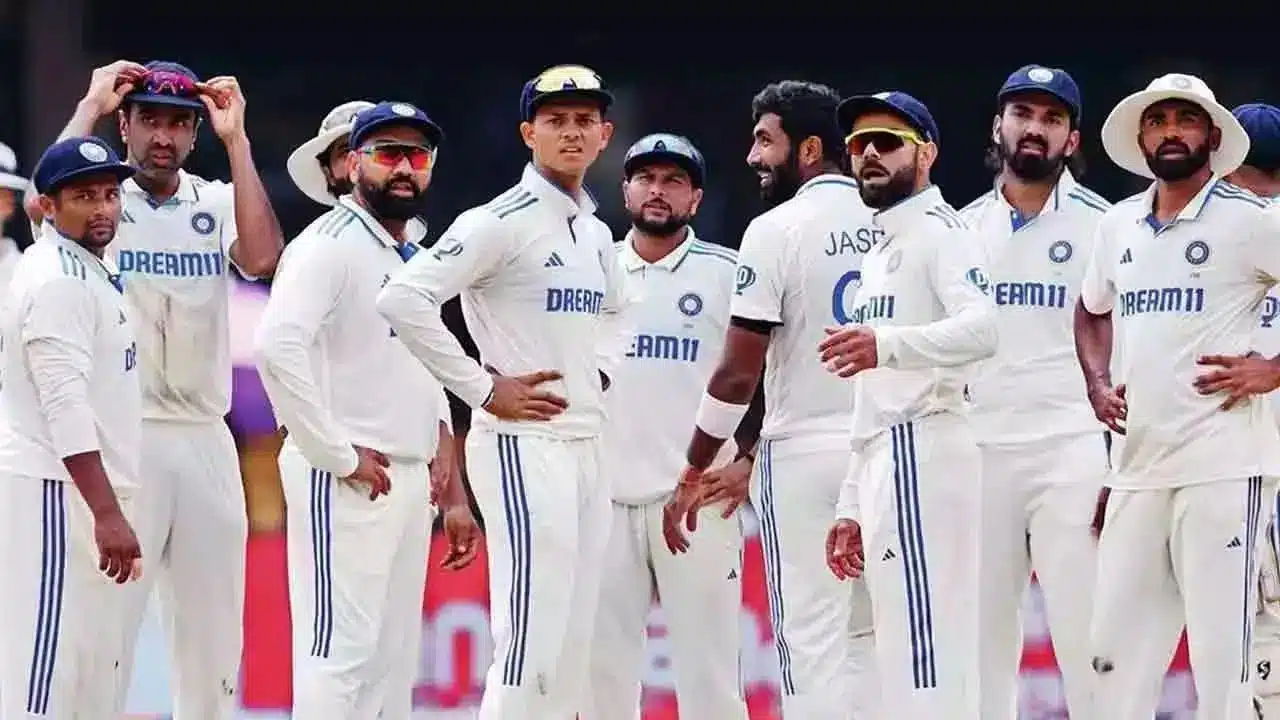
Earlier this year, former India head coach Ravi Shastri proposed a two-tier structure for Test cricket, emphasizing the need for promotion and relegation to enhance competitiveness. His comments came after a lackluster Test series between India and West Indies, where the first match concluded in just two and a half days. Despite criticism, the West Indies showed resilience in the second Test, which extended to Day 5, but ultimately, India secured a comfortable seven-wicket victory. This series has reignited discussions about making Test cricket more meaningful and financially viable.
Shastri’s Call for Change
Ravi Shastri’s advocacy for a two-tier system in Test cricket stems from concerns about the current format’s sustainability. He argues that without such a structure, matches often feature mismatched teams, leading to one-sided contests that rarely extend to the fifth day. The Ahmedabad Test against the West Indies highlighted this issue, prompting Shastri to suggest that a tiered system could ensure more competitive matches. The West Indies’ performance in the second Test, where they fought hard but still lost, raised questions about how to make Test cricket more engaging and financially viable.
The idea of a two-tier system is not new; it was first proposed in 2009 by Dave Richardson, then the ICC’s general manager for cricket. This system aims to ensure that top teams compete more frequently against each other, thereby increasing the quality of matches and attracting greater revenue. The ongoing discussions reflect a growing consensus that structural changes are necessary to revitalize Test cricket and maintain its relevance in the modern sporting landscape.
Context and Competitiveness in Test Matches
The introduction of the World Test Championship (WTC) in 2019 aimed to provide context to bilateral Test series, giving teams a competitive table to climb. While the WTC has added significance to matches, it has not fully addressed the issue of one-sided contests. Many Test matches, particularly those involving teams outside the “Big Three,” often conclude in two to three days, raising concerns about the format’s competitiveness.
The persistent imbalance in Test cricket has led to renewed calls for a tiered system. Such a structure could help ensure that teams face opponents of similar skill levels, fostering more competitive matches. The WTC has made strides in adding context, but the need for structural reform remains pressing to enhance the quality of Test cricket and keep fans engaged.
Implementing a Two-Tier System
The proposed two-tier system would involve dividing Test-playing nations into two divisions, with a promotion and relegation mechanism. Currently, nine teams participate in the WTC, but expanding the number of Test-playing nations could enhance the competitive landscape. Cricket analysts suggest that granting Test status to more teams could be a step toward realizing this vision.
Under the proposed system, each team in the top tier would play against the other six teams during the WTC cycle, ensuring a balanced schedule. Additionally, teams in the second tier would need to compete regularly among themselves to improve their skills. This approach could benefit nations like Ireland and Afghanistan, which have limited Test experience. By playing more matches against similar opponents, these teams could develop their game and contribute to a more competitive Test cricket environment.
Financial Sustainability and Revenue Sharing
Financial viability is a significant concern for many teams outside the traditional powerhouses of cricket. The cost of hosting Test matches often outweighs the revenue generated, leading to financial losses. Former West Indies chief executive Johnny Grave highlighted the challenges faced by teams when touring countries like England, where the expenses can be substantial without corresponding revenue.
To address these financial disparities, experts suggest that revenue from Test matches should be distributed more equitably. One proposal is for the ICC to oversee broadcasting rights and revenue sharing, ensuring that both host and visiting teams receive a fair share. This could help support teams in the second tier, allowing them to sustain their cricketing activities.
Furthermore, creating designated windows for Test matches, free from competition with franchise leagues, could help maintain the format’s integrity. Introducing a minimum wage for Test cricketers, particularly in lower-tier teams, could also incentivize players to continue participating in the format. These measures aim to ensure that Test cricket remains a viable and competitive format in the evolving landscape of international cricket.
Observer Voice is the one stop site for National, International news, Sports, Editor’s Choice, Art/culture contents, Quotes and much more. We also cover historical contents. Historical contents includes World History, Indian History, and what happened today. The website also covers Entertainment across the India and World.

