

Budget 2026: Reevaluating Home Loan Regulations for Today’s Market

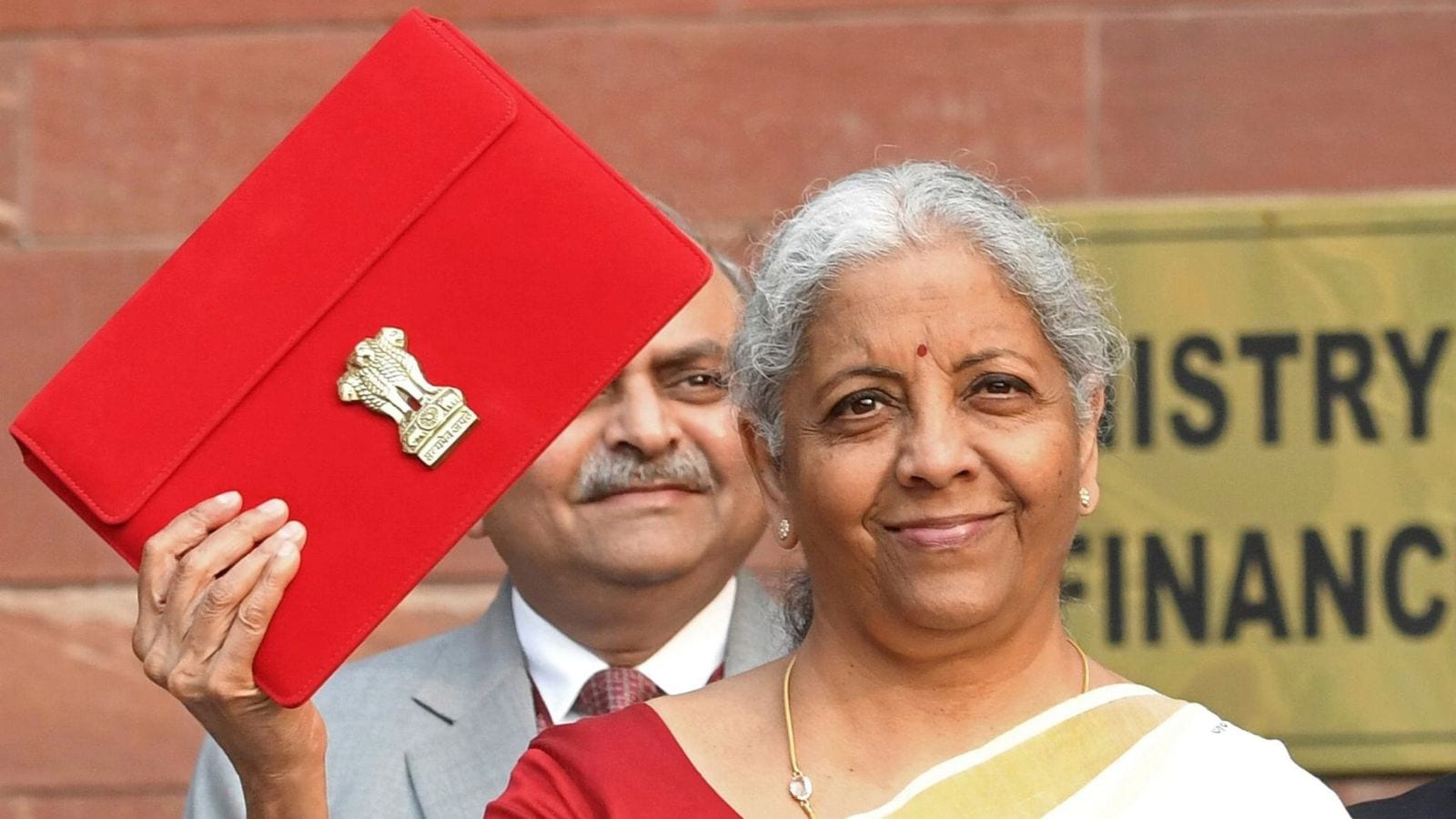
Falling home loan rates and a growing population of young buyers are driving a surge in home ownership across the country. However, many prospective homeowners are facing challenges due to outdated tax provisions that have not kept pace with rising property prices and loan sizes. Key tax incentives, which were once attractive to borrowers, are now often capped or unavailable, leaving many taxpayers feeling the financial strain of home ownership.
Challenges with Pre-Construction Interest Deductions
One of the most significant hurdles for homebuyers arises when purchasing under-construction properties. While borrowers begin paying EMIs immediately, the tax deduction for interest paid during the construction phase is deferred. Current regulations allow this interest to be claimed only in five equal installments, starting from the year the construction is completed or possession is obtained. Hinesh R Doshi, a chartered accountant and former president of The Chamber of Tax Consultants, highlights the issue, noting that project delays are common. This situation forces taxpayers to manage EMIs without receiving any tax relief for years. For those also paying rent, the financial burden becomes even heavier. Doshi emphasizes the urgency of allowing deductions in the year payments are made, which could alleviate some of the financial pressure on borrowers.
Outdated Interest Deduction Caps
For self-occupied homes, the interest deduction is capped at Rs. 2 lakh per year, a figure that has remained unchanged since 2015. As property values and loan amounts have surged, this cap has become increasingly irrelevant. If construction is not completed within five years from the end of the loan year, the deduction further diminishes to just Rs. 30,000. Doshi points out that many taxpayers find these limits outdated and disconnected from the current housing market, where prices have tripled over the past decade. The lack of adjustment to these caps means that many homeowners are unable to benefit from the tax relief they expected when purchasing their homes.
Impact of Expired Affordable Housing Deductions
The additional deduction of Rs. 1.5 lakh for first-time buyers of affordable homes expired in March 2022. This incentive was designed to encourage the purchase of properties with a stamp duty value of up to Rs. 45 lakh. With ongoing affordability challenges and rising housing costs, particularly in smaller cities, there have been calls to reinstate or extend this benefit. Doshi advocates for the reintroduction of Section 80EEA to attract new buyers and stimulate the housing sector, especially considering the significant population under the age of 35 looking to purchase homes.
Limitations of Private Loan Deductions
Home loans sourced from non-banking entities, such as employers, friends, or private lenders, qualify for an interest deduction but not for a principal deduction under Section 80C. These loans also do not qualify for any additional housing benefits previously available for affordable housing. Borrowers who face challenges accessing bank loans due to documentation issues or credit scores are at a disadvantage, despite potentially similar borrowing costs. Doshi recommends amending Section 80C to include loans from private sources or non-banking finance companies, ensuring that all borrowers receive fair treatment under the tax code.
Observer Voice is the one stop site for National, International news, Sports, Editor’s Choice, Art/culture contents, Quotes and much more. We also cover historical contents. Historical contents includes World History, Indian History, and what happened today. The website also covers Entertainment across the India and World.
Follow Us on Twitter, Instagram, Facebook, & LinkedIn

