

Budget 2026: Prioritizing Research to Revitalize Innovation in the Cotton Sector

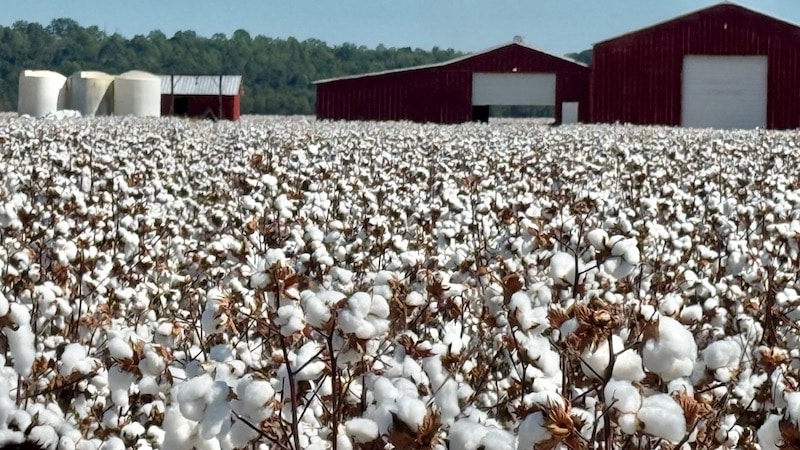
Cotton plays a vital role in India’s agricultural landscape, supporting millions of farmers and fueling a competitive textile industry. However, the sector faces significant challenges as productivity stagnates despite high production levels. With research and development investments lagging, farmers are increasingly vulnerable to pests and climate change, highlighting the urgent need for innovation and mechanization in cotton farming.
The Current State of Cotton Production in India
Cotton is one of India’s most important commercial crops, integral to both the agricultural and industrial sectors. It provides livelihoods for millions of farming households and underpins a robust textile industry. Despite its significance, the cotton sector is grappling with a paradox: while production remains extensive, productivity has plateaued. This stagnation reflects a broader issue within the country’s agricultural framework, where research and development (R&D) investment is only about 0.7% of GDP. Such limited funding hampers the development of new technologies essential for improving cotton yields. Farmers are now facing the dual threats of increasing pest pressures and climate change, which exacerbate the challenges of maintaining productivity levels. The absence of innovative solutions leaves farmers relying on outdated methods, making it difficult to adapt to modern agricultural demands.
The Need for Mechanization in Cotton Harvesting
One of the most pressing issues in cotton farming is the reliance on manual labor for harvesting. This process can account for 30-35% of total cultivation costs, making labor the largest expense in cotton production. As labor shortages become more common, especially during peak harvesting seasons, the costs rise, creating uncertainty for farmers. This situation underscores the necessity for mechanization in cotton harvesting. However, simply introducing machines is not enough; cotton plants must be bred for compatibility with these machines. This requires significant investment in R&D to develop hybrids that can withstand mechanical harvesting. Additionally, the current trash content in machine-harvested cotton is a concern, as it often exceeds acceptable levels for market standards. Addressing these challenges through field-level pre-cleaning technologies is crucial to ensure that mechanization enhances, rather than undermines, farmers’ incomes.
Strategic Investment in Agricultural Research
As India approaches the Union Budget 2026, the importance of treating agricultural research as a strategic priority cannot be overstated. While immediate measures like input support and procurement are essential for stabilizing farm incomes, they do not address the underlying productivity issues rooted in technological gaps. Long-term investment in science is necessary to foster innovation in the cotton sector. Two key policy measures should be prioritized: restoring the 200% weighted tax deduction on R&D expenditures and rationalizing the Goods and Services Tax (GST) on seeds. These initiatives would encourage sustained investment in agricultural research, particularly in crops like cotton, where innovation cycles are lengthy and costly. By aligning fiscal policy with the realities of agricultural innovation, the government can create an environment conducive to research and development.
Building Resilience Through Innovation
Ultimately, effective cotton research is about managing risks at the farm level. When innovation slows, farmers face increased input costs, delayed operations, and heightened exposure to market fluctuations. Timely scientific advancements can provide farmers with better pest management solutions, mechanization-ready hybrids, and improved pre-cleaning techniques, leading to greater stability and predictability in their operations. The future of cotton farming will depend less on the area cultivated and more on how well seed research can ensure a steady supply of raw materials for the textile industry amid evolving economic and environmental challenges. The upcoming Union Budget 2026 presents a critical opportunity to strengthen R&D incentives, rationalize input taxation, and prioritize research facilitation, ultimately fostering a sustainable agricultural framework that benefits farmers and the economy alike.
Observer Voice is the one stop site for National, International news, Sports, Editor’s Choice, Art/culture contents, Quotes and much more. We also cover historical contents. Historical contents includes World History, Indian History, and what happened today. The website also covers Entertainment across the India and World.
Follow Us on Twitter, Instagram, Facebook, & LinkedIn

