

Budget 2026: Government Considers 10-15% Increase in Capex Spending Amidst Uneven Private Investment

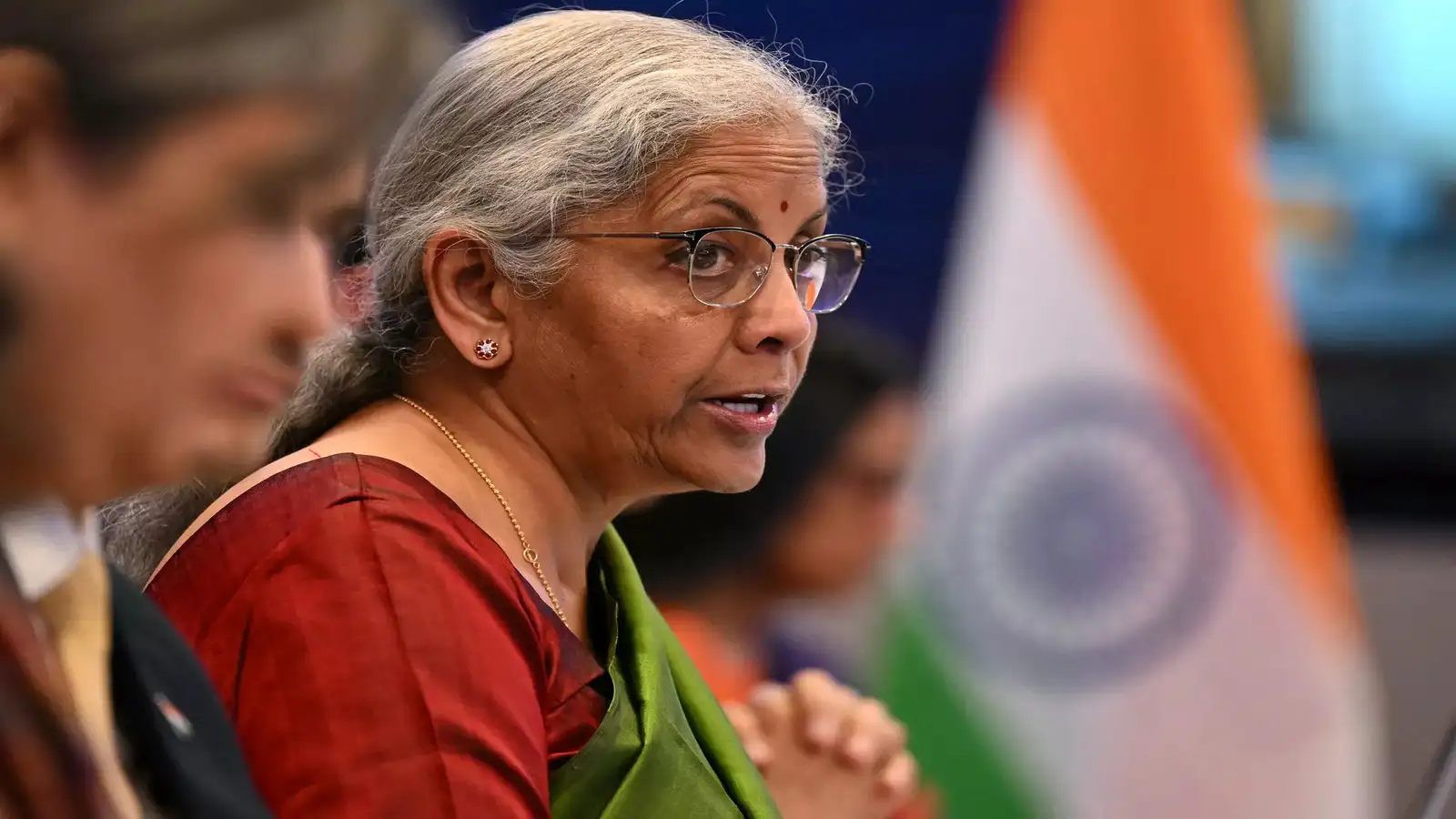
The Indian government is poised to maintain a robust emphasis on public capital expenditure in the upcoming Union Budget for 2026, with expectations of a 10-15% increase from the current allocation of ₹11.21 lakh crore. This move comes as private sector investment remains hesitant, prompting economists to urge the government to leverage its fiscal space to bolster growth. The budget, set to be presented in Parliament on February 1, is seen as a crucial opportunity to sustain the momentum of economic recovery.
Projected Increase in Capital Expenditure
Experts predict that the capital expenditure (capex) outlay for the Union Budget 2026 will rise significantly, with estimates suggesting an allocation of around ₹12 trillion. PwC Partner and Economic Advisory Services leader Ranen Banerjee emphasized that while a substantial increase is anticipated, the capacity for rapid absorption in the economy is limited. He noted that a sudden 30% increase in capex is unrealistic due to the constraints faced by construction companies and the availability of heavy machinery. Instead, a more measured increase of about 10% is expected, reflecting the current economic landscape.
Current Fiscal Landscape and Challenges
Finance Minister Nirmala Sitharaman had previously proposed a capital expenditure outlay of ₹11.21 lakh crore for FY26. However, the government is projected to fall short of its capex target for the current fiscal year, with revised estimates indicating spending of ₹10.18 lakh crore against an initial estimate of ₹11.11 lakh crore for FY25. According to ICRA Chief Economist Aditi Nayar, the challenges facing private capital expenditure are not indicative of a broad slowdown but rather an uneven investment climate across various sectors. While traditional sectors like cement and steel are experiencing growth, driven by public investment, other sectors are struggling to attract private investment.
Sector-Specific Investment Trends
Nayar highlighted that while traditional industries benefit from increased public spending, greenfield sectors such as data centers, electric vehicles, and renewable energy are also witnessing significant investment momentum. However, export-oriented sectors and those facing intense import competition are experiencing a more challenging environment, which is dampening private investment enthusiasm. This uneven landscape underscores the need for targeted government intervention to stimulate growth across all sectors.
Future Outlook for Capital Expenditure
Looking ahead, Nayar anticipates a stronger push for capital expenditure in FY27, as fiscal flexibility may diminish in subsequent years. She expressed hope that the government would prioritize capex in FY27, especially in light of impending pay revisions in FY28 that could limit available funds for additional spending. With projected nominal GDP growth of 9.5-10% for FY27, public capital expenditure is expected to outpace this growth, with Nayar suggesting a potential increase of 12-15% if fiscal space allows. This outlook reflects a cautious yet optimistic approach to sustaining economic growth through strategic public investment.
Observer Voice is the one stop site for National, International news, Sports, Editor’s Choice, Art/culture contents, Quotes and much more. We also cover historical contents. Historical contents includes World History, Indian History, and what happened today. The website also covers Entertainment across the India and World.
Follow Us on Twitter, Instagram, Facebook, & LinkedIn

