

Budget 2026: Deficit Target Achieved Amid Concerns Over Spending Quality

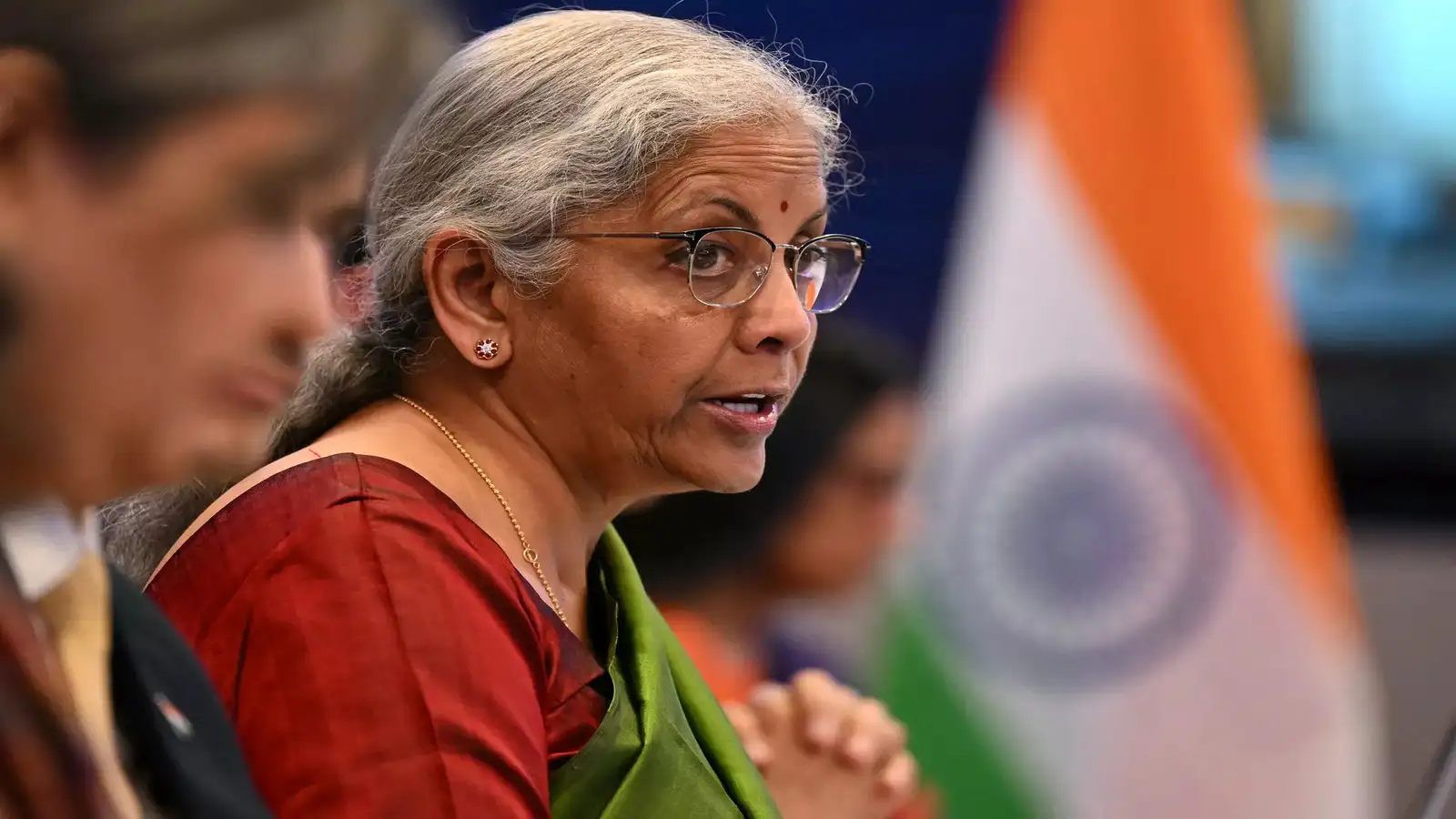
In the lead-up to the upcoming budget, concerns have emerged regarding the government’s ability to meet its fiscal deficit targets due to significant shortfalls in anticipated tax revenues. However, revised estimates for the fiscal year 2025-26 indicate that the deficit target of 4.4% of GDP is likely to be achieved. This outcome is attributed to a combination of higher-than-expected non-tax revenues and substantial cuts in government expenditure, particularly in capital investments aimed at future asset creation.
Tax Revenue Shortfalls
The government’s initial budget projected tax revenues at Rs 28.4 lakh crore. However, recent estimates suggest that actual revenues will fall short, reaching only Rs 26.7 lakh crore, resulting in a deficit of over Rs 1.6 lakh crore. While corporate tax collections have slightly exceeded expectations, personal income tax revenues have significantly underperformed. The revised estimates indicate personal income tax revenues at Rs 13.1 lakh crore, compared to the budgeted Rs 14.3 lakh crore. Additionally, although excise and customs duties have performed better than anticipated, Goods and Services Tax (GST) revenues have declined from Rs 11.8 lakh crore in the budget to Rs 10.5 lakh crore in the revised estimates.
Non-Tax Revenue Increases
In contrast to the decline in tax revenues, non-tax revenues are projected to rise to Rs 6.7 lakh crore, surpassing the budgeted figure of Rs 5.8 lakh crore. This increase is primarily driven by higher-than-expected dividends and profits, which are estimated at Rs 3.8 lakh crore, up from Rs 3.3 lakh crore. A significant portion of these non-tax revenues is derived from the Reserve Bank of India (RBI). This boost in non-tax revenues has helped to partially offset the shortfall in tax collections, providing some relief to the government’s fiscal position.
Expenditure Cuts and Their Impact
The most significant factor contributing to the government’s ability to stay on track with its fiscal deficit target is a reduction in total expenditure. The revised estimates indicate a decrease in total expenditure from Rs 50.7 lakh crore in the budget to Rs 49.7 lakh crore. Notably, capital expenditure has been cut by approximately Rs 30,000 crore, dropping from a budgeted Rs 11.2 lakh crore. Furthermore, grants to states for capital asset creation have seen a sharp decline, from Rs 4.3 lakh crore to Rs 3.1 lakh crore in the revised estimates. As a result, effective capital expenditure, which includes both the Centre’s own capital spending and grants to states, has decreased from nearly Rs 15.5 lakh crore to just over Rs 14 lakh crore.
Future Projections and Concerns
While the headline fiscal deficit figure remains unchanged from the budget, the quality of expenditure has deteriorated compared to initial plans. This raises concerns about the sustainability of fiscal management moving forward. The budget estimates for 2026-27 project a growth rate of under 8% for both tax revenues and total expenditure, despite an anticipated nominal GDP growth of 10%. However, effective capital expenditure is expected to increase by over 22%. Given past experiences, achieving these targets may prove challenging, highlighting the need for careful fiscal planning in the coming years.
Observer Voice is the one stop site for National, International news, Sports, Editor’s Choice, Art/culture contents, Quotes and much more. We also cover historical contents. Historical contents includes World History, Indian History, and what happened today. The website also covers Entertainment across the India and World.
Follow Us on Twitter, Instagram, Facebook, & LinkedIn

