

Brent Oil Prices Fall Below $100 as Trump Postpones Military Action on Iranian Power Plants

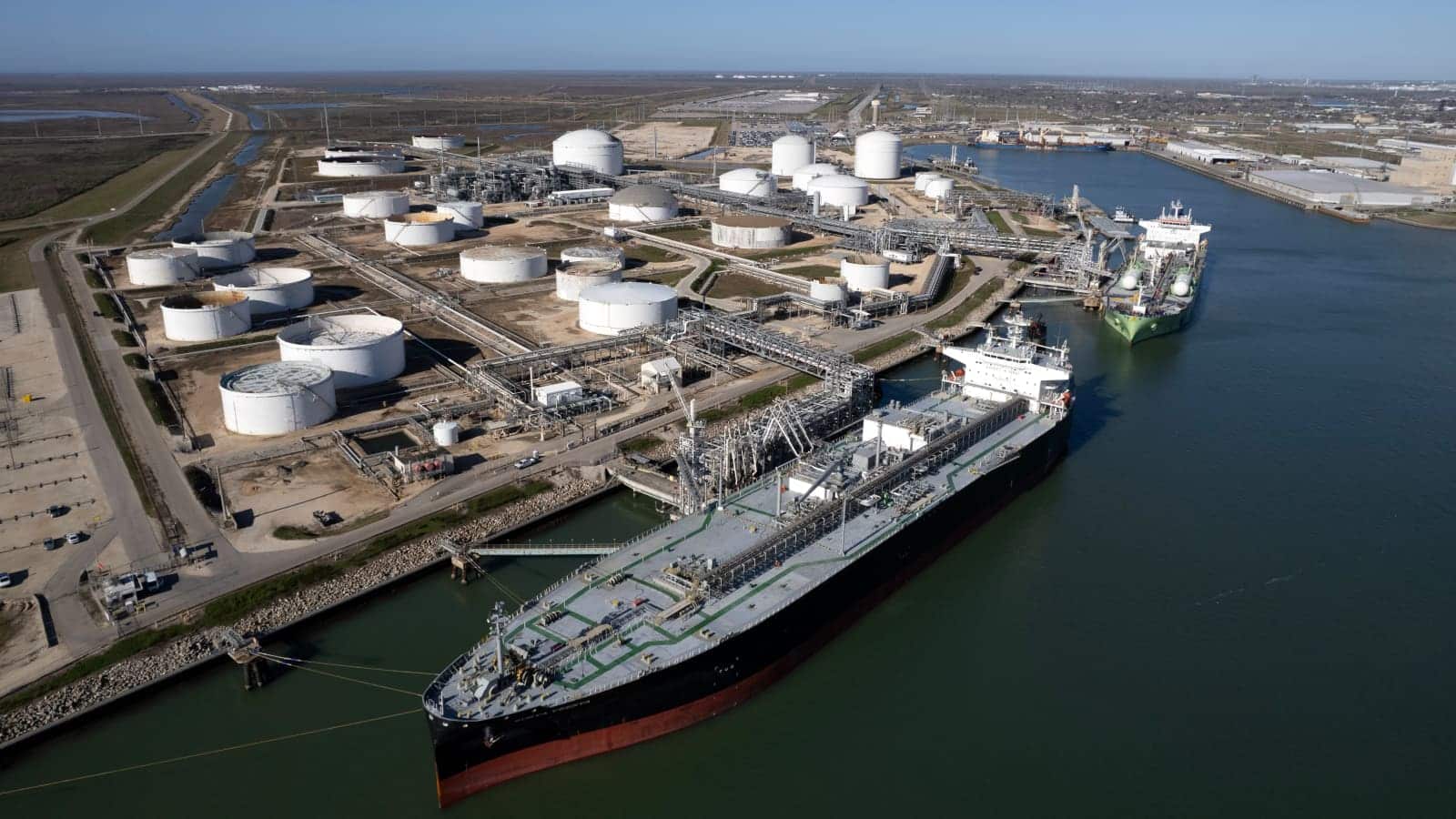
Oil prices experienced a significant decline on Monday following a decision by U.S. President Donald Trump to temporarily halt military strikes on Iranian energy infrastructure. This announcement alleviated concerns about escalating tensions in the Middle East, leading to a sharp drop in crude oil prices. Brent crude fell below $100 per barrel for the first time since March, while West Texas Intermediate (WTI) also saw a notable decrease. However, prices rebounded later in the day, reflecting the volatility of the market amid ongoing geopolitical tensions.
Market Reactions to Trump’s Announcement
Following Trump’s announcement, Brent crude prices plummeted over 15%, reaching a low of $96 per barrel. This marked a significant drop, as prices had surged by more than 60% since the onset of the Middle East crisis, which had seen oil prices exceed $100 per barrel due to disruptions caused by Iranian attacks on vessels in the Strait of Hormuz. By 1130 GMT, Brent crude rebounded to approximately $104 per barrel, while WTI recovered to $90.55. The fluctuations in oil prices highlight the market’s sensitivity to geopolitical developments and the potential for rapid changes in response to news.
Impact on Indian Oil Markets
In India, the Multi Commodity Exchange saw crude oil for April delivery initially rise by Rs 362, or 4%, to an intraday high of Rs 9,620 per barrel. However, this upward trend was short-lived, as prices reversed sharply, plunging by Rs 827, or 9%, to Rs 8,431 per barrel, hitting the lower circuit limit. This volatility reflects the broader impact of international oil price movements on domestic markets, underscoring the interconnected nature of global energy markets.
Geopolitical Context and Future Outlook
Trump’s decision to postpone military action came after he indicated that productive discussions were taking place between Washington and Tehran regarding a resolution to ongoing hostilities in the region. The U.S. had previously issued warnings to Iran to reopen the Strait of Hormuz, a critical oil transit route, within 48 hours or face military action. Iran’s response included threats to target key energy infrastructure, raising fears of further disruptions. While the temporary de-escalation has eased immediate concerns about supply disruptions, the broader outlook remains uncertain, with the International Energy Agency (IEA) warning of a potential global energy crisis.
Warnings from the International Energy Agency
The IEA has raised alarms about the ongoing conflict’s implications for global energy security. IEA chief Fatih Birol described the situation as a convergence of two oil crises and a gas crash, emphasizing the serious risks facing the global economy. He stated that no country would be immune to the effects of the crisis if it continues unchecked. Birol called for coordinated global action to address the challenges posed by the current geopolitical landscape, highlighting the urgent need for solutions to stabilize energy markets and mitigate potential economic fallout.
Observer Voice is the one stop site for National, International news, Sports, Editor’s Choice, Art/culture contents, Quotes and much more. We also cover historical contents. Historical contents includes World History, Indian History, and what happened today. The website also covers Entertainment across the India and World.
Follow Us on Twitter, Instagram, Facebook, & LinkedIn

