

BARC Develops 72 Improved Crop Varieties to Boost Agriculture

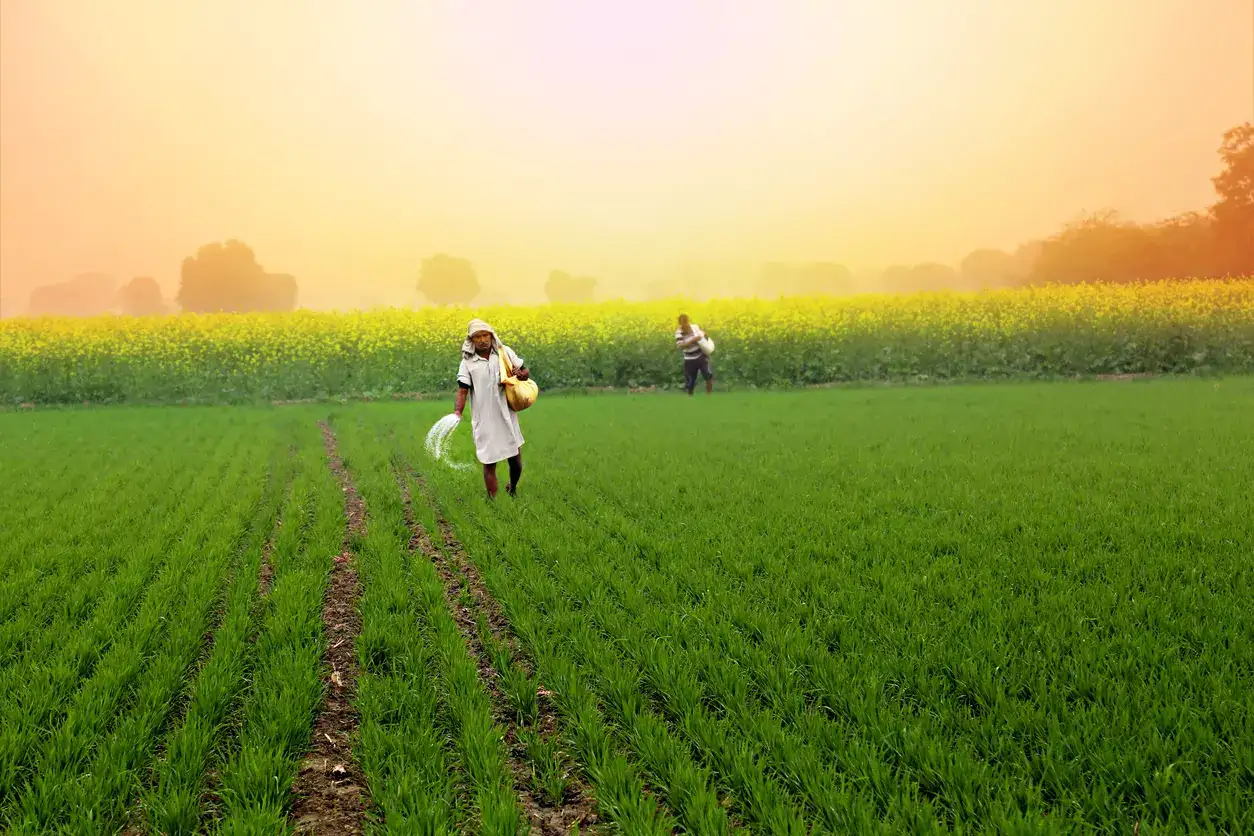
The Bhabha Atomic Research Centre (BARC), part of the Department of Atomic Energy (DAE), has made significant strides in agriculture by creating 72 enhanced crop varieties. These improvements stem from radiation-induced mutagenesis combined with cross-breeding techniques, and they span several crops including oilseeds, pulses, rice, jute, and banana. Released for commercial cultivation, these new varieties exhibit traits such as higher yields, early maturation, and resistance to various stresses, benefiting farmers across the nation.
In the past five years, from 2020 to 2025, BARC has introduced 23 new crop varieties, with details as follows: seven varieties of rice, five of mustard, three of black gram (urad), three of sorghum (jowar), two of groundnut, one of mung bean, one of sesame (til), and one of banana. This development not only enhances agricultural diversity but also aims to improve productivity.
Throughout this period, BARC produced a total of 1,680 quintals of breeder seeds from various crops, including groundnut, mungbean, rice, and mustard. These seeds were distributed to seed corporations and farmers, facilitating their cultivation. The estimated quantity of seeds available for farming is around 1,805,300 quintals, derived from the expected multiplication ratios during the production process.
Innovative Food Preservation Technologies
In addition to crop improvement, BARC has pioneered radiation-based food-preservation technologies. These methods involve irradiation followed by cold storage to extend the shelf life of perishable agricultural products. The use of irradiation effectively eliminates insects and microbes, allowing for chemical-free preservation. This technology facilitates the export of agricultural goods such as mangoes and pomegranates to markets in the USA and Australia, while also extending the shelf life of spices, grains, vegetables, fruits, onions, and potatoes.
Currently, 41 food irradiation and medical product sterilization facilities are operational in both private and state sectors, providing on-demand radiation processing services. The DAE has consistently invested in the research and development of radiation applications in agriculture, collaborating with various State Agricultural Universities and research institutes under the Indian Council of Agricultural Research (ICAR).
Strengthening National Food Security
The technologies developed by BARC not only help to extend shelf life and minimize post-harvest losses but also assist India in complying with international quarantine regulations for perishable items. This capability enhances India’s access to high-value global markets, evidenced by the successful exports of mangoes and pomegranates to countries including the USA, Australia, South Africa, and Malaysia.
To ensure the effective use of these technologies, BARC is also working on comprehensive Standard Operating Protocols (SOPs) to improve the irradiation process for agricultural products. Overall, the government’s commitment to research and development, alongside the establishment of irradiation infrastructure and promotion of export-focused radiation processing, plays a crucial role in advancing national food security, minimizing wastage, boosting farmer incomes, and enhancing India’s position in global agri-trade.
Observer Voice is the one stop site for National, International news, Sports, Editor’s Choice, Art/culture contents, Quotes and much more. We also cover historical contents. Historical contents includes World History, Indian History, and what happened today. The website also covers Entertainment across the India and World.

