

Auto Market Forecast: Anticipated Growth in 2026 Driven by Policy Support

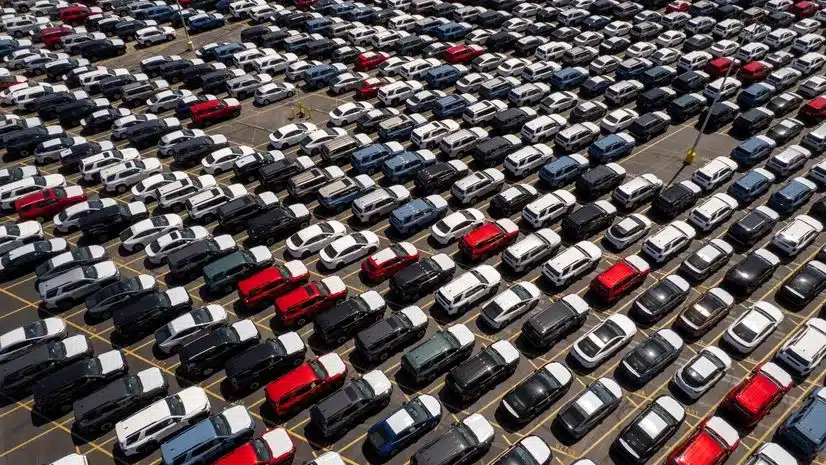
India’s automobile industry is poised for a robust performance in 2026, following a record year marked by a projected growth of 6-8%. This optimistic outlook is driven by supportive policies, including GST rationalization and income tax relief, which are expected to enhance affordability and sustain consumer demand across various vehicle segments. The recovery in sales, particularly in passenger vehicles, has been bolstered by rising rural incomes and improved access to financing, indicating a resilient market ready for further expansion.
Growth Drivers and Market Trends
The Indian automobile sector has shown remarkable resilience, with passenger vehicle sales gaining momentum after a slow start to the year. Factors such as steady rural incomes and increased urban demand have played a crucial role in this recovery. Additionally, the accessibility of financing options has further stimulated consumer interest. SUVs have emerged as the preferred choice among buyers, while the acceptance of CNG and electric vehicles is gradually increasing, reflecting a shift in consumer preferences towards more sustainable powertrains.
Looking ahead, the industry is preparing for a year of transition as stricter regulations are set to take effect. Automakers are bracing for higher compliance costs associated with upcoming CAFE norms and emission standards, which could impact profit margins and pricing strategies. Safety regulations mandating the adoption of Anti-lock Braking Systems (ABS) and Combined Braking Systems (CBS) for two-wheelers are already contributing to rising entry-level prices, raising concerns about demand sensitivity in price-conscious segments.
Investment Strategies and Dealer Sentiment
As the automotive landscape evolves, investment strategies within the sector are also adapting. Carmakers are increasingly directing funds towards electrification, enhancing charging infrastructure, and upgrading platforms while simultaneously scaling up conventional powertrains to meet immediate market needs. This dual approach indicates a steady transition rather than a sudden shift in the market.
According to the latest Dealer Satisfaction Index from the Federation of Automobile Dealers Associations (FADA), a significant 74% of dealers anticipate positive growth in the December-February period. This momentum could carry into the first half of 2026, provided that Original Equipment Manufacturers (OEMs) manage their inventory effectively and avoid abrupt price increases. However, the impending price hikes due to regulatory changes may dampen short-term demand, particularly in entry-level segments.
Industry Outlook and Regulatory Challenges
The Society of Indian Automobile Manufacturers (SIAM) has expressed optimism about the industry’s performance, predicting growth across all segments and strong double-digit expansion in exports. SIAM President Shailesh Chandra noted that this growth aligns with India’s vision of a developed nation, or Viksit Bharat. The auto component industry shares this positive outlook, with expectations of steady growth supported by domestic demand and increased localization, despite ongoing global uncertainties.
Industry leaders are also preparing for the impact of forthcoming regulations. Chandra emphasized that GST rationalization and tax benefits will enhance accessibility and stimulate demand. Meanwhile, Mahindra & Mahindra’s Auto Division CEO highlighted the company’s commitment to operational excellence and innovation, particularly in the electric vehicle sector. As the industry gears up for 2026, the focus will be on navigating regulatory challenges while capitalizing on emerging market opportunities.
Luxury Segment and Future Prospects
While luxury car manufacturers remain optimistic about growth, they have raised concerns regarding potential price increases due to currency fluctuations and supply chain challenges. Executives from leading luxury brands like Mercedes-Benz and BMW Group India have acknowledged the impact of deteriorating foreign exchange rates and tariffs on pricing strategies. Despite these challenges, the luxury segment is expected to continue evolving, with a focus on expanding market size.
Overall, the consensus within the automotive sector is that 2026 will be a year of sustained growth, bolstered by favorable policies and strong consumer demand. However, the outcomes will largely depend on how well the industry adapts to regulatory changes, manages costs, and responds to shifting consumer preferences in an increasingly competitive landscape.
Observer Voice is the one stop site for National, International news, Sports, Editor’s Choice, Art/culture contents, Quotes and much more. We also cover historical contents. Historical contents includes World History, Indian History, and what happened today. The website also covers Entertainment across the India and World.
Follow Us on Twitter, Instagram, Facebook, & LinkedIn

