

AI Revolutionizes Retail Experience

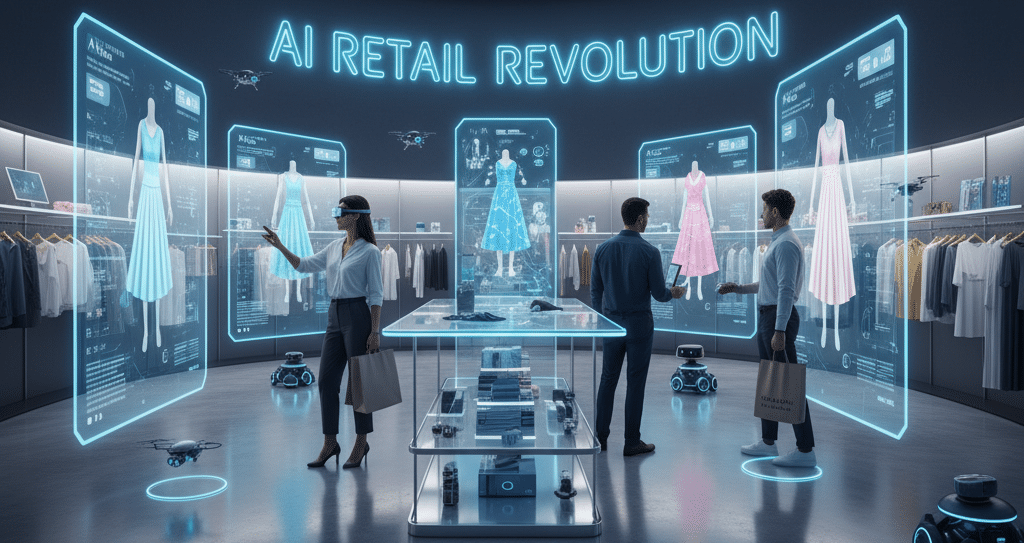
The holiday season is upon us, prompting many to embark on the annual quest for the perfect Christmas gifts. While some relish the thrill of shopping, a growing number of consumers are turning to artificial intelligence (AI) to streamline the process. As AI technology continues to evolve, companies are betting on its potential to revolutionize the shopping experience, much like e-commerce did in the past. Major players like OpenAI and Google are exploring ways to integrate AI into retail, while traditional retailers are adapting to this new landscape. Tools such as an AI store builder are also emerging, enabling businesses to quickly launch intelligent, personalized shopping experiences.
AI’s Growing Role in Retail
AI firms are increasingly confident that their technology will transform the shopping experience. OpenAI has partnered with platforms like Etsy and Shopify, allowing merchants to sell products through its chatbot for a fee. Meanwhile, Google is venturing into what it calls “agentic commerce,” enabling its AI tools to interact with shops on behalf of users. This includes checking stock, tracking prices, and even making purchases when favorable deals arise. As these advancements unfold, the retail landscape is poised for significant changes.
Retailers Respond to AI Integration
Retailers are not standing still as AI technology gains traction. Many e-commerce platforms are wary of AI agents that could disrupt their direct connection with customers. Amazon, the largest online retailer, has taken steps to block OpenAI’s crawlers from accessing its product information and has filed a lawsuit against Perplexity, an AI company, for allegedly misrepresenting itself on Amazon’s site. In contrast, Walmart has embraced AI by announcing that its products will soon be available for purchase through ChatGPT, potentially reaching a broader audience. Analysts suggest that a significant portion of Walmart’s online traffic comes from referrals, with ChatGPT accounting for a notable share.
Consumer Preferences and AI Shopping Assistants
Doug McMillon, Walmart’s outgoing CEO, has emphasized the need for online shopping to evolve beyond traditional search methods. Some retailers, including Walmart, are developing their own shopping assistants to enhance the customer experience. Research indicates that many Americans prefer these in-house bots over third-party options like ChatGPT. This preference may stem from the challenges of integrating external AI tools with retailers’ data. Amazon’s CEO, Andy Jassy, has criticized third-party shopping agents for their lack of personalization and accuracy, highlighting the importance of tailored experiences for consumers.
The Future of Shopping: AI and Physical Retail
As AI continues to reshape online shopping, physical stores may see a resurgence in importance. With more consumers turning to chatbots and AI for product recommendations, the role of in-person shopping experiences is evolving. A recent survey revealed that a significant majority of respondents value human interactions while shopping, indicating a desire for personal engagement. Many shoppers still prefer to touch and feel products, particularly clothing, making physical stores a vital component of the retail landscape. As the holiday season approaches, the charm of in-store shopping may provide a welcome escape from the digital realm.
Observer Voice is the one stop site for National, International news, Sports, Editor’s Choice, Art/culture contents, Quotes and much more. We also cover historical contents. Historical contents includes World History, Indian History, and what happened today. The website also covers Entertainment across the India and World.
Follow Us on Twitter, Instagram, Facebook, & LinkedIn

