

From Payday to Mayday: Understanding the Illusion of Salary Increases and Their Impact on Purchasing Power

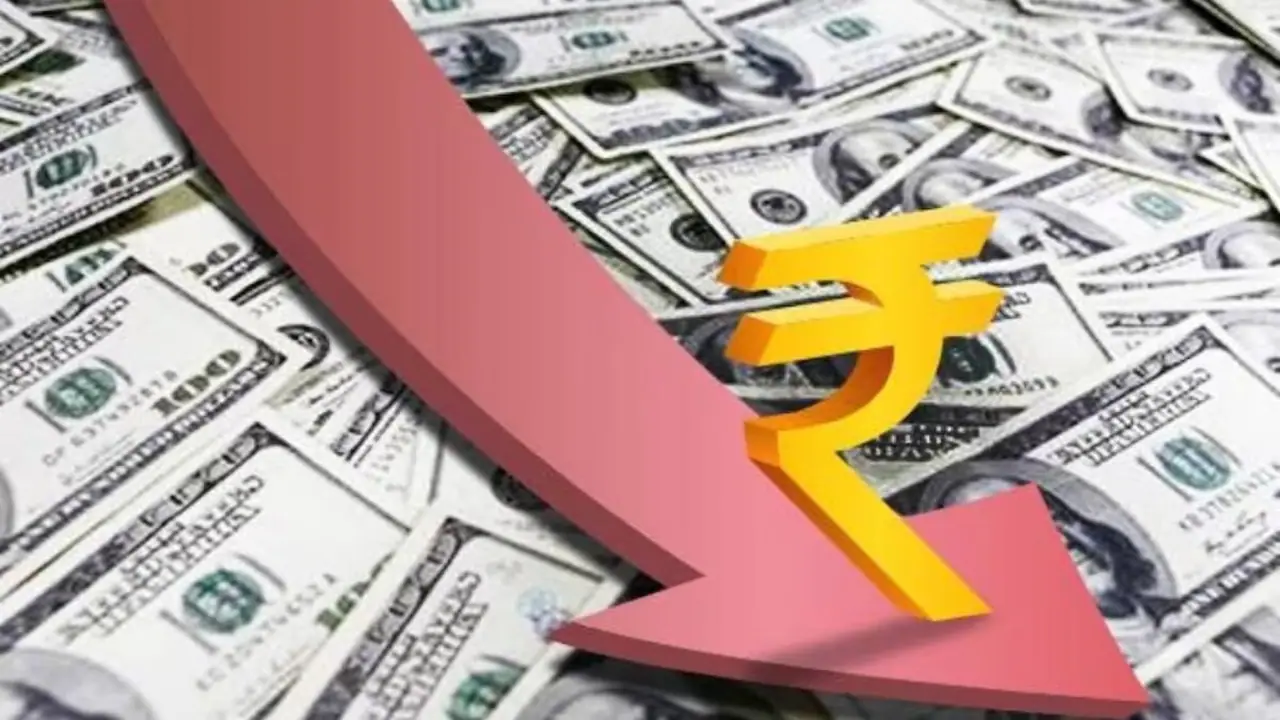
The Indian middle class is facing a financial squeeze as rising costs outpace salary increases. Companies are offering average salary hikes of around 9%, but households report that these increments are being consumed by escalating everyday expenses. A recent survey by the Reserve Bank of India (RBI) revealed that 90.1% of urban households are spending more on essentials compared to a year ago, while 54.5% believe the economic situation has worsened.
Rising Costs Outstrip Salary Increases
Despite the promise of higher paychecks, many Indian households find that their disposable income is shrinking. Jyoti Prakash Gadia, managing director of Resurgent India Limited, noted that the increasing cost of basic necessities is eroding the benefits of salary hikes. Housing, healthcare, education, and transportation costs are taking up a larger share of household budgets, leaving less room for savings or discretionary spending.
The RBI’s September 2026 survey indicates that the problem is not merely about income levels but rather how much of that income remains after covering essential expenses. With food prices rising and fuel costs adding to the financial burden, a higher salary does not necessarily translate into greater financial security.
Inflation Pressures on Household Budget
Retail inflation reached 5.54% in September, marking the highest level under the new Consumer Price Index (CPI) series. Food inflation surged to 7.74%, with significant price increases for staples like onions, ginger, and garlic. Rural households are feeling the pinch even more, with rural inflation at 6.08% and food inflation at 8.06%. The India Meteorological Department reported that the 2026 monsoon was the weakest since 2015, contributing to agricultural uncertainty.
Families are prioritizing basic needs and becoming more selective about discretionary purchases. Gadia pointed out that rising costs in accommodation, education, healthcare, and food are forcing households to tighten their budgets. Many are opting for bargain shopping and delaying non-essential purchases to maintain financial stability.
Disparities in Household Spending
The RBI’s consumer surveys reveal a disconnect between official inflation rates and what households perceive. In September, households reported a median perceived inflation of 8.4%, significantly higher than the official rate. Consumer confidence is also declining, with the RBI’s urban current situation index dropping from 96.9 to 87.9.
Households are increasingly cautious about spending, focusing on essentials while cutting back on non-essential items. Gadia noted that families are adjusting their monthly budgets to account for regular expenses, including subscriptions and consumer credit payments.
Fuel Prices Add to Financial Strain
Fuel prices have further complicated household budgets. The ongoing geopolitical tensions have kept crude oil prices elevated, leading to increased petrol and diesel costs. Union oil minister Hardeep Singh Puri stated that state-run refiners are incurring significant losses while maintaining low retail prices. Higher crude prices can also raise transportation and manufacturing costs, potentially leading to increased prices for goods and services.
The RBI has cautioned that inflationary pressures are not easing, with expectations of headline inflation averaging nearly 5.8% over the next three quarters. A depreciating rupee could exacerbate the situation by making imported goods more expensive.
Increased Borrowing Amid Rising Expenses
As expenses outpace income growth, many households are turning to borrowing to bridge the gap. RBI data shows that household debt has risen to 45.9% of GDP, up from 36.4% in June 2022. While households added significant financial assets, they also took on substantial new loans, leading to a decline in net financial savings.
Gadia warned that families with high EMIs or low emergency funds are particularly vulnerable to financial shocks. The composition of household debt is concerning, with non-housing retail loans making up a significant portion. Higher interest rates could further strain budgets, making it challenging for families to manage their finances effectively.
The Impact of Salary Hikes on Financial Stability
The upcoming months will clarify whether income growth can keep pace with inflationary pressures. If retail inflation aligns with the RBI’s projected average, the real benefit of a 9% salary increase could diminish significantly. The next retail inflation reading is scheduled for November 12, followed by wholesale inflation data on November 16. The RBI’s next monetary policy meeting is set for December 2-4.
Observer Voice is the one stop site for National, International news, Sports, Editor’s Choice, Art/culture contents, Quotes and much more. We also cover historical contents. Historical contents includes World History, Indian History, and what happened today. The website also covers Entertainment across the India and World.
Follow Us on Twitter, Instagram, Facebook, & LinkedIn

