

Cedric Gibbons: The Architect of Hollywood’s Vision

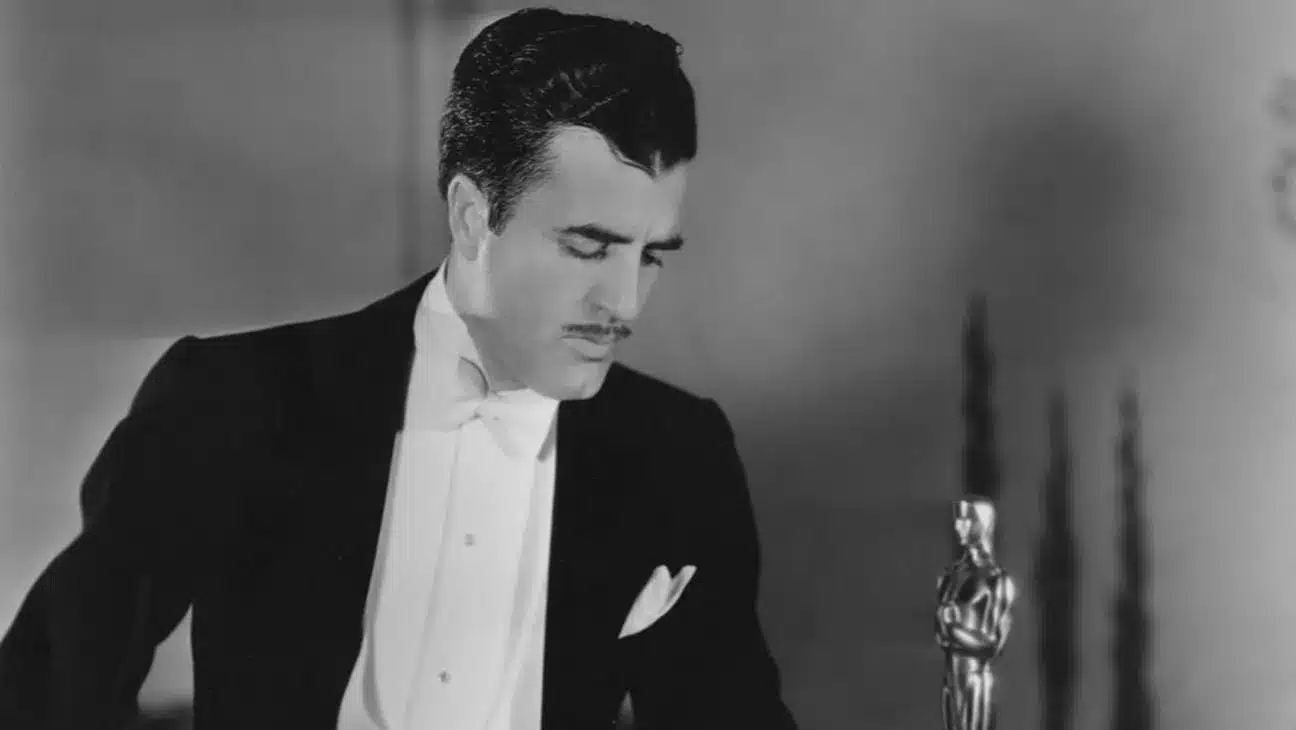
Cedric Gibbons (23 March 1890 – 26 July 1960) was an American art director for the film industry. He designed the Oscar statuette in 1928 and won the Academy Award for Best Production Design a record 11 times across 39 nominations.
Early Life and Education
Cedric Gibbons was born in New York City to Irish architect Austin P. Gibbons and American Veronica Fitzpatrick Simmons. The family moved to Manhattan after the birth of their third child. In 1911, Gibbons studied at the Art Students League of New York before working as a junior draftsman in his father’s office. He joined the art department at Edison Studios in New Jersey in 1915 under Hugo Ballin, and during World War I served in the US Navy Reserves at Pelham Bay in New York.
Career and Achievements
Gibbons joined Goldwyn Studios in 1918 as an assistant to Hugo Ballin. When Goldwyn Studios merged with Metro Pictures and Louis B. Mayer Pictures in 1924 to form Metro-Goldwyn-Mayer, Gibbons moved into MGM’s art department. In 1925, he competed with Romain De Tirtoff (better known as Erte) for advancement while working alongside Joseph Wright, Merrill Pye, and Richard Day on approximately 20 films. Studio executive Irving Thalberg brought Gibbons to work on Ben Hur (1925), where his knowledge of art moderne—the emerging style that would become art deco—helped establish his reputation.
Beyond his work as set decorator and art director, Gibbons directed one feature film, Tarzan and His Mate (1934). He was one of the original 36 founding members of the Academy of Motion Picture Arts and Sciences. Over his career at MGM, Gibbons received credit on more than 2,000 films. He retired on April 26, 1956, due to ill health and was succeeded by William A. Horning.
Notable Events and Milestones
In 1928, Gibbons designed the Academy Awards statuette, though he tasked the sculpting to Los Angeles artist George Stanley. The statuettes were first awarded in 1929 and continue to be presented at Academy Awards ceremonies. His eleventh and final Oscar win came for Somebody Up There Likes Me (1956). His set designs, particularly those in Born to Dance (1936) and Rosalie (1937), heavily influenced motion picture theater architecture from the late 1930s through the 1950s, inspiring theaters including the Loma Theater in San Diego, the Crest theaters in Long Beach and Fresno, California, and the Culver Theater in Culver City, California.
Awards and Honors
Gibbons was nominated 39 times for the Academy Award for Best Art Direction and won 11 times, records that remain unmatched. He was inducted into the Art Directors Guild Hall of Fame in February 2005.
Additional Resources
Cedric Gibbons’ contributions to cinema and architecture remain documented in film archives, the Academy of Motion Picture Arts and Sciences records, and architectural histories of American theaters. Readers seeking more detailed information about his extensive body of work and influence on production design can consult Wikipedia and other biographical resources dedicated to Hollywood’s golden age.
Observer Voice is the one stop site for National, International news, Sports, Editor’s Choice, Art/culture contents, Quotes and much more. We also cover historical contents. Historical contents includes World History, Indian History, and what happened today. The website also covers Entertainment across the India and World.

