

India’s Currency Set for a Plastic Transformation

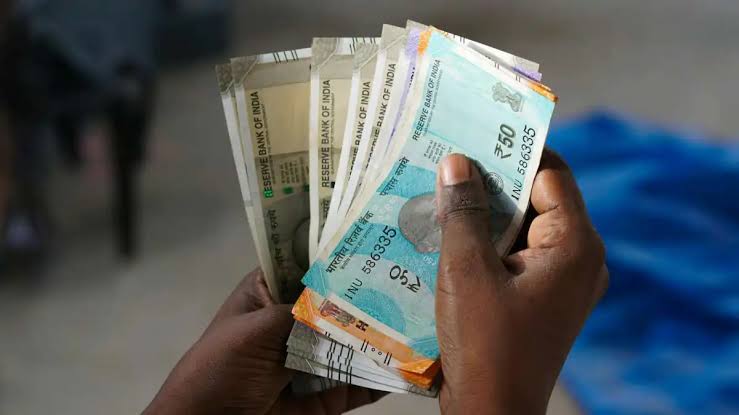
India is set to explore the introduction of polymer banknotes, with the Reserve Bank of India’s currency printing subsidiary, Bharatiya Reserve Bank Note Mudran (BRBNMPL), inviting bids from global and domestic manufacturers for the specialized material required. The initial focus will be on lower denominations, specifically Rs 10 and Rs 20 notes. Interested suppliers must submit their bids by August 18, as BRBNMPL seeks opacified polymer substrate sheets embedded with security features.
What are polymer banknotes?
Polymer banknotes are crafted from a special plastic substrate, differing from the cotton-pulp paper currently used in Indian currency. Originally developed in Australia, these notes have been adopted by several countries, including the UK, Canada, New Zealand, and Singapore. Compared to traditional paper notes, polymer banknotes are more durable, resistant to moisture and dirt, and can endure heavy circulation for significantly longer periods. Studies indicate that polymer notes can last at least twice as long as paper notes, and in some cases, up to five times longer, potentially reducing printing and replacement costs.
Tender sets strict eligibility and security conditions
The procurement process for polymer substrates includes stringent eligibility criteria and security measures. Only manufacturers with at least three years of experience supplying polymer banknote substrates to central banks or printing organizations can participate. They must also be capable of supplying a minimum of 20,400 reams, which is 30% of the estimated requirement. BRBNMPL anticipates a demand of 68,000 reams for its initial needs, with around 34,000 reams allocated for each of the two denominations. The tender prohibits sourcing raw materials for Indian banknote substrates from China or Pakistan, requiring manufacturers to obtain government security clearance and ensure operations in those countries are ring-fenced from the India contract.
Why RBI is exploring polymer currency
The Reserve Bank of India is considering polymer currency primarily due to the deterioration of paper notes from frequent handling and diverse climatic conditions in the country. RBI data indicates that nearly 200,000 damaged currency notes are withdrawn and destroyed annually, with high-value denominations like Rs 100 and Rs 500 contributing significantly to this figure. Polymer notes can incorporate advanced security features, such as transparent windows and holograms, making them more difficult to counterfeit. Countries that have adopted polymer currency generally report lower levels of successful counterfeiting, with Australia noting that its latest generation of polymer notes includes multiple advanced security features.
How long till India carries polymer notes
This initiative follows recent comments from RBI Governor Sanjay Malhotra, who stated that the central bank is examining the possibility of introducing polymer banknotes. During a media briefing after the Monetary Policy Committee meeting, Malhotra confirmed that the proposal is still in the preliminary stages. The committee decided to maintain the repo rate at 5.25%, citing global uncertainties and inflation concerns while discussing the potential for a new generation of currency notes made from polymer.
In discussion for years
The concept of polymer currency in India has been under consideration for several years. The RBI first proposed polymer banknotes in 2007 and initiated pilot projects for Rs 10 polymer notes in various cities, including Jaipur and Shimla. Despite several tenders and feasibility studies over the years, the proposal has largely remained in the planning phase. In 2016, the government informed Parliament that the process for procuring polymer notes had begun, but no nationwide rollout has occurred. Recently, the RBI has also tested varnished notes, which are traditional paper banknotes coated with a protective polymer layer to enhance durability.
Observer Voice is the one stop site for National, International news, Sports, Editor’s Choice, Art/culture contents, Quotes and much more. We also cover historical contents. Historical contents includes World History, Indian History, and what happened today. The website also covers Entertainment across the India and World.

