

US Airstrikes Prompt Iran to Accelerate Oil Exports Amid Renewed Conflict: Who Are the Potential Buyers?

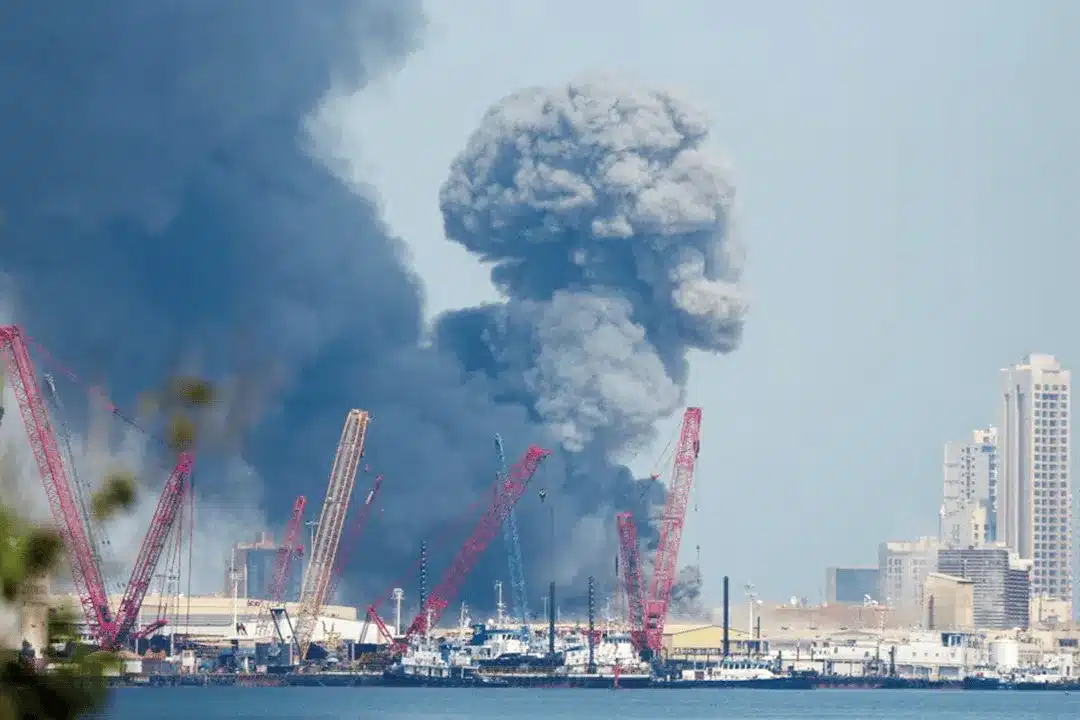
Iran has ramped up its crude oil shipments, dispatching approximately 11 million barrels within the last 24 hours amid escalating tensions with the United States. This surge comes as President Donald Trump threatens to reinstate a blockade on Iranian ports. According to tanker-tracking data from Bloomberg, five very large crude carriers (VLCCs) and one Suezmax tanker have departed from Iranian ports, with four of them currently navigating the Gulf of Oman and one passing through the Strait of Hormuz.
The increase in shipments coincides with ongoing U.S. military strikes against Iran, which are a response to recent attacks on commercial vessels attributed to Tehran. This renewed conflict jeopardizes the fragile peace agreement between the two nations. Consequently, other shipping operators are exercising caution, leading to a significant slowdown in vessel movements through the Strait of Hormuz.
Oil Market Reaction
The disruption in shipping has unsettled the oil market, driving prices higher. Brent crude traded near $79 a barrel on Thursday, marking a nearly 9% increase for the week. The 11 million barrels shipped in the past day are roughly equivalent to Iran’s pre-war crude exports for an entire week. However, it remains unclear if there will be buyers for these cargoes.
Earlier this week, a substantial amount of Iranian oil was left stranded aboard tankers after the U.S. revoked a waiver that had allowed Iran to market its crude. By Thursday, oil tanker movements through the Strait of Hormuz had nearly come to a standstill, according to shipping data and industry sources. Only two tankers passed through the strategic waterway early Thursday, including the crude supertanker Berg 1, which is under U.S. sanctions.
Shipping Risks
The heightened risks associated with maritime transport have led many vessels to disable their public Automatic Identification System (AIS) transponders, reducing the visibility of their movements. Jorge Leon, head of geopolitical analysis at Rystad Energy, noted that tanker traffic through the Strait of Hormuz has essentially halted, reflecting the current risk perception more than any official statements from Washington or Tehran.
Before the conflict escalated on February 28, the Strait of Hormuz was a critical passage for about one-fifth of global oil supplies. In the two weeks following the onset of hostilities, daily vessel movements through the strait had risen to an average of 40 transits per day, although this remains significantly below the pre-conflict average of 125 to 140 daily sailings.
Observer Voice is the one stop site for National, International news, Sports, Editor’s Choice, Art/culture contents, Quotes and much more. We also cover historical contents. Historical contents includes World History, Indian History, and what happened today. The website also covers Entertainment across the India and World.

