

Thyroid Cancer: Why It’s One of the Most Survivable Cancers (and What to Know)

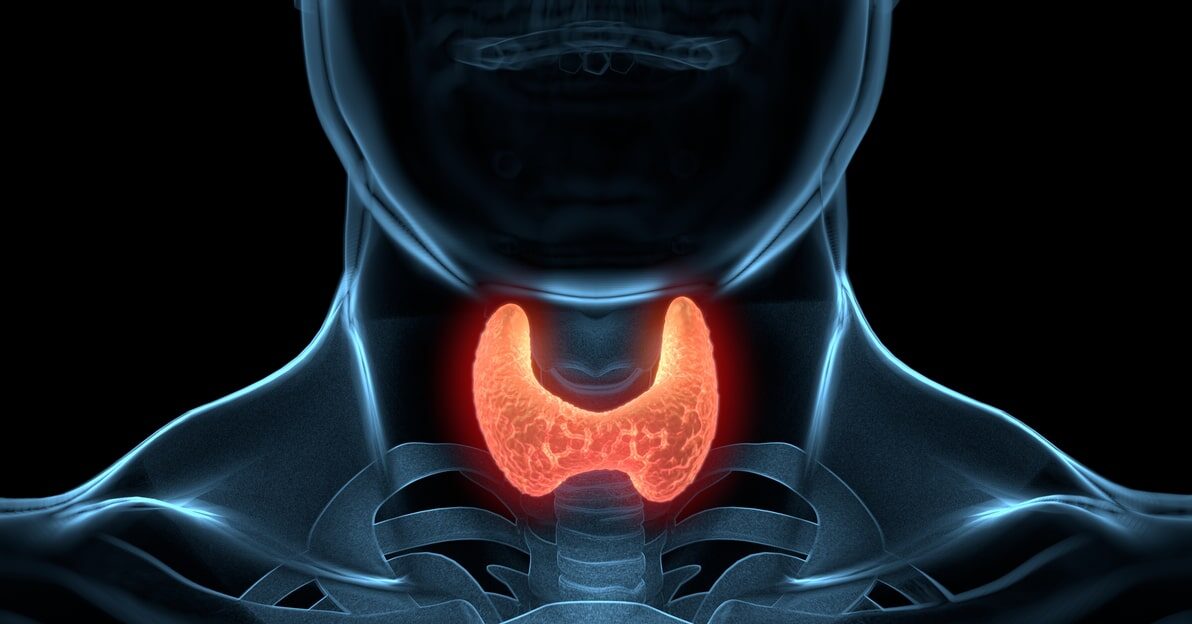
Thyroid cancer develops within the thyroid gland, a small butterfly-shaped structure in the neck. This gland produces hormones regulating metabolism, heart rate, and body temperature. When cells within this gland begin growing abnormally, cancer can develop.
Despite being a cancer diagnosis, thyroid cancer carries remarkably encouraging survival statistics. Most types respond exceptionally well to treatment, even at later stages. Understanding why this cancer behaves so differently from many others genuinely offers significant reassurance.
Why Thyroid Cancer Outcomes Tend to Be So Positive
Several factors contribute to thyroid cancer’s relatively favorable prognosis overall. Many types grow slowly and remain localized for extended periods before spreading. Additionally, effective treatments specifically targeting thyroid tissue have been available and refined for decades.
Types of Thyroid Cancer
Papillary thyroid cancer represents the most commonly diagnosed type, accounting for the vast majority of cases. This type grows slowly and typically responds exceptionally well to treatment even when lymph nodes become involved. Papillary thyroid cancer carries some of the most favorable survival statistics within all cancer categories.
Follicular thyroid cancer represents the second most common type diagnosed. This type also generally carries a favorable prognosis, particularly when caught before spreading beyond the thyroid. Both papillary and follicular cancers originate from hormone-producing thyroid cells.
Less Common but More Aggressive Types
Medullary thyroid cancer develops from different cells that produce a separate hormone called calcitonin. This type sometimes runs in families due to inherited genetic mutations. Anaplastic thyroid cancer represents the rarest but most aggressive form, growing rapidly and proving more difficult to treat effectively.
Why Knowing Your Type Matters So Much
Different thyroid cancer types carry significantly different prognoses and require distinct treatment approaches. Papillary cancer’s slow growth gives doctors more time for effective intervention. Anaplastic cancer, conversely, demands immediate, aggressive treatment due to its rapid progression.
Recognizing the Symptoms
A noticeable lump or swelling in the neck represents the most common presenting symptom. Many people discover this lump during routine self-examination or medical checkups. This visibility gives thyroid cancer an advantage over cancers developing in less accessible locations.
Hoarseness or changes in voice quality can also indicate thyroid cancer in some patients. These voice changes sometimes result from tumors pressing against nerves controlling vocal cord movement. Persistent difficulty swallowing or breathing sometimes develops as tumors enlarge.
Why Many Thyroid Cancers Cause No Symptoms
Smaller thyroid cancers often cause no noticeable symptoms for many years. Doctors frequently discover these cancers during imaging performed for entirely unrelated reasons. This incidental discovery pattern explains why awareness continues increasing without corresponding symptom changes.
When Symptoms Warrant Immediate Evaluation
Any unexplained neck lump lasting more than a few weeks deserves prompt medical evaluation. Voice changes combined with a neck mass particularly warrant urgent professional assessment. Don’t delay seeking evaluation simply because a lump feels painless or small.
Risk Factors for Thyroid Cancer
Women develop thyroid cancer significantly more often than men, roughly three to four times more frequently. This gender disparity suggests hormonal factors may contribute to cancer development risk. Despite this difference, men with thyroid cancer shouldn’t expect worse outcomes based on gender alone.
Prior radiation exposure to the head and neck region significantly elevates thyroid cancer risk. This connection became well established following medical radiation treatments historically used for various conditions. Family history of thyroid cancer or certain inherited genetic syndromes also meaningfully increases personal risk.
Why Age Influences Risk and Outcomes Differently
Thyroid cancer can develop across a wide age range, unlike many other cancers concentrated in older adults. Younger patients sometimes develop thyroid cancer, though outcomes typically remain very favorable. Older patients with certain aggressive subtypes may face more complex treatment scenarios.
How Doctors Diagnose Thyroid Cancer
Diagnosis typically begins with a thyroid ultrasound to examine any suspicious nodules detected. This imaging clearly shows nodule characteristics suggesting whether further testing makes sense. Most thyroid nodules prove benign, though characteristic features guide appropriate follow-up decisions.
Fine-needle aspiration biopsy allows doctors to collect cells directly from suspicious nodules for examination. This minimally invasive procedure typically occurs in an outpatient setting with minimal discomfort. Laboratory analysis of collected cells provides definitive diagnostic information guiding subsequent treatment planning.
Why Most Thyroid Nodules Aren’t Cancerous
The vast majority of thyroid nodules, even suspicious-appearing ones, ultimately prove benign. This statistical reality helps reassure patients discovered to have thyroid nodules during imaging. Thorough evaluation distinguishes the minority requiring treatment from the majority needing only monitoring.
Treatment Options for Thyroid Cancer
Surgery remains the primary treatment for most thyroid cancer cases. Surgeons typically remove part or all of the thyroid gland, called thyroidectomy, during this procedure. Complete thyroid removal followed by radioactive iodine therapy represents standard treatment for many patients.
Radioactive iodine therapy selectively destroys remaining thyroid tissue and cancer cells after surgery. This treatment exploits thyroid tissue’s unique ability to absorb iodine, targeting cancer cells precisely. Most patients tolerate this therapy well with relatively manageable short-term side effects.
Why Thyroid Hormone Replacement Becomes Necessary After Treatment
Removing the thyroid gland requires lifelong thyroid hormone replacement medication afterward. This daily medication maintains normal metabolic function and simultaneously suppresses cancer regrowth signals. Most patients adjust well to this lifelong medication with appropriate dose management.
Active Surveillance for Small, Low-Risk Cancers
Very small, low-risk papillary thyroid cancers sometimes qualify for active surveillance instead of immediate surgery. This approach monitors the cancer closely without immediate intervention for appropriate candidates. Research increasingly supports this approach for carefully selected patients with specific cancer characteristics.
Final Thoughts on Thyroid Cancer
Thyroid cancer’s reputation as one of medicine’s most survivable cancers reflects genuine, evidence-based optimism. Understanding this encouraging reality helps patients approach diagnosis with appropriate perspective and confidence. Modern treatment options continue improving outcomes even further across most thyroid cancer types.
If you notice any unexplained neck lump, voice changes, or swallowing difficulties, seek medical evaluation promptly. A thyroid cancer diagnosis, while serious, rarely carries the fear-inducing prognosis associated with many other cancers. With timely diagnosis and appropriate treatment, most thyroid cancer patients live full, healthy, long lives.
Frequently Asked Questions
What makes thyroid cancer so survivable compared to other cancers?
Most thyroid cancers grow slowly, respond exceptionally well to treatment, and rarely spread aggressively to distant organs early. The unique biology of thyroid tissue also allows targeted radioactive iodine treatment unavailable for most other cancer types. These combined factors create the remarkably favorable prognosis thyroid cancer carries.
Does removing the thyroid gland significantly affect quality of life?
Most patients adjust very well to living without a thyroid gland following surgery. Daily thyroid hormone replacement medication maintains normal metabolic function effectively. With appropriate medication management and regular monitoring, quality of life typically remains excellent long-term.
Can thyroid cancer come back after successful treatment?
Yes, thyroid cancer can recur after initial treatment, sometimes years or even decades later. This possibility explains why regular long-term monitoring through blood tests and imaging remains important. Most recurrences, when detected early, respond well to additional treatment approaches.
Does thyroid cancer run in families?
Some thyroid cancer cases, particularly medullary thyroid cancer, have strong hereditary connections. Certain inherited mutations, like RET gene changes, significantly increase family cancer risk. Genetic testing helps identify family members who may need earlier, more proactive monitoring and evaluation.
Is radiation exposure the main cause of thyroid cancer?
Prior radiation exposure represents one significant risk factor, but not the only cause. Most thyroid cancer patients have no identifiable radiation history whatsoever. Genetic factors, gender, and other poorly understood mechanisms all contribute to overall thyroid cancer risk development.
Disclaimer:
This article is for informational purposes only and does not replace professional medical advice. Please consult a qualified healthcare provider for diagnosis and treatment.
References:
- The thyroid is a small, butterfly-shaped gland located at the base of your neck, just below the Adam’s apple and in front of the windpipe (trachea).
- Hashimoto’s thyroiditis is a chronic autoimmune disease causing progressive destruction of thyroid tissue and progressive thyroid hormone deficiency.
- A thyroid nodule is an abnormal growth of thyroid cells that forms a lump within the thyroid gland.
Observer Voice is the one stop site for National, International news, Sports, Editor’s Choice, Art/culture contents, Quotes and much more. We also cover historical contents. Historical contents includes World History, Indian History, and what happened today. The website also covers Entertainment across the India and World.

