

Rental-Friendly Flooring Ideas for Temporary Event Setups

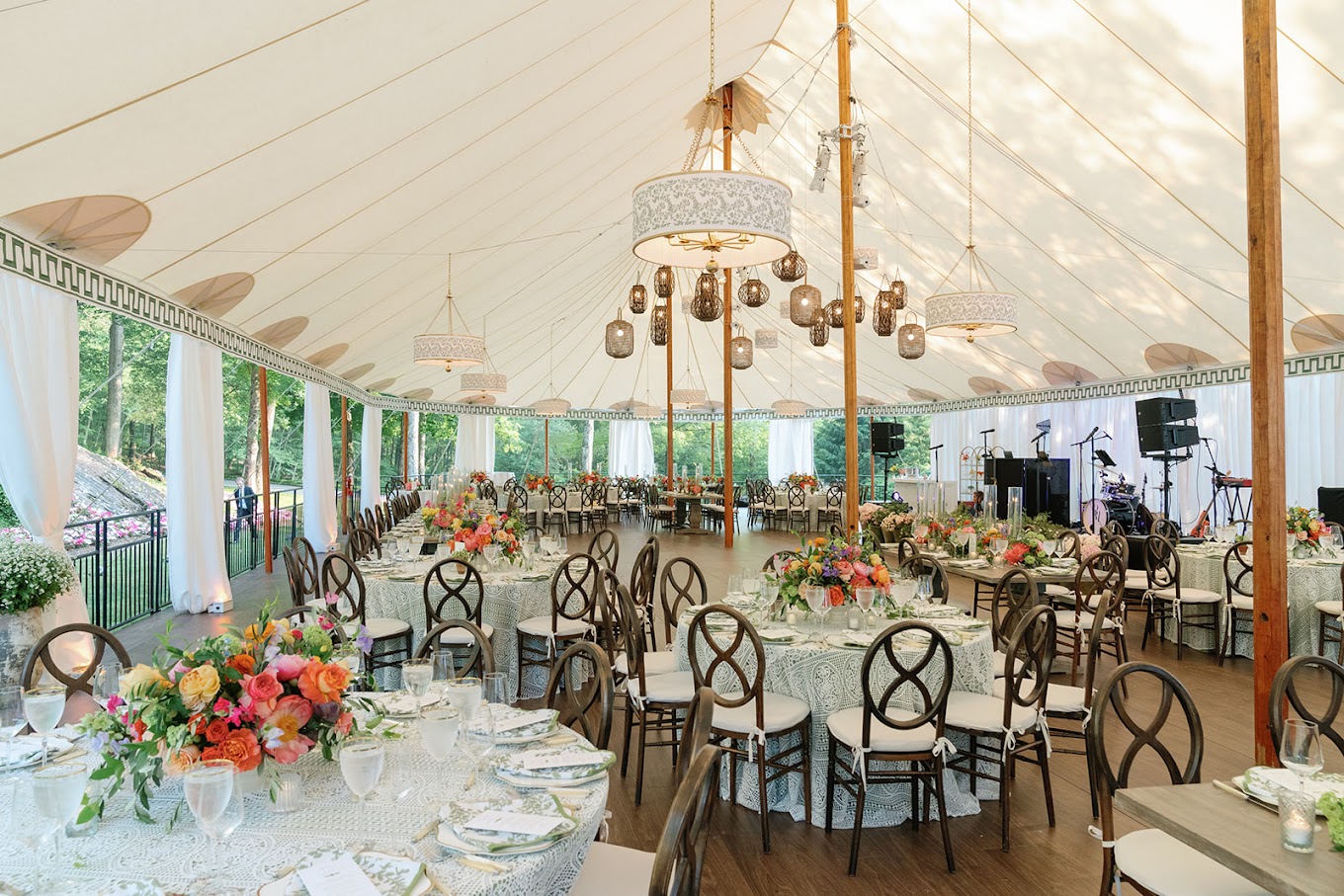
Anyone who has hosted a tented wedding or backyard fundraiser knows the tension: guests expect a polished, ballroom-like experience, but the host is on the hook for whatever the ground looks like the morning after. That tension is a big part of why temporary event flooring has become one of the fastest-growing categories inside the broader event-rental business.
The event and equipment rental industry — tents, tables, flooring, lighting — is now an $88 billion sector in the U.S. alone, according to the American Rental Association, the trade group representing more than 12,000 rental operations nationwide. Flooring has become one of its fastest-growing categories because it solves two problems at once: it protects the property underneath an event, and it changes how the space actually feels to the people standing on it.
Why flooring matters more than it looks
The underlying structure at most large outdoor events is, technically, a marquee — a large tent structure with a history stretching back centuries as temporary shelter for everything from military encampments to garden parties. Modern versions bear little resemblance to canvas army tents, but the basic engineering challenge hasn’t changed: a large open span has to stay standing, stay dry, and support a floor that can handle a full guest list without shifting.
That’s where flooring choice actually matters, and where it’s easy to get wrong. Load matters as much as appearance — a floor has to support standing guests, tables, a dance floor’s worth of movement, and catering equipment being wheeled in and out. Even outside a formal workplace, the same basic physics behind OSHA’s walking-working surfaces rule applies: a surface has to support its maximum intended load without shifting or failing, whether the site is a warehouse or a lawn. Without adequate flooring, heels sink into soft grass, chairs wobble on uneven ground, and high-traffic areas near a bar or buffet turn messy within the first hour.
Choosing a system for grass, concrete, or uneven ground
Choosing the right system starts with the surface underneath. On grass, rental friendly flooring typically means modular panels that spread weight across a wide footprint without compacting or tearing the turf — a detail that matters because damaged landscaping is one of the most common post-event disputes between hosts and venues. Reputable providers generally walk hosts through where flooring is actually structurally necessary versus where a few stabilized walkways will do the job, since flooring an entire yard is rarely necessary and adds unnecessary cost.
Concrete and paved surfaces present a different problem entirely. They’re already structurally sound, so flooring there is mostly about comfort, slip resistance, and visual consistency under a tent — masking a utilitarian parking lot or driveway so it reads as part of the event rather than the space around it. Uneven ground is the hardest case of the three: sometimes the more sensible fix is repositioning the tent or layout rather than trying to level a slope with flooring alone, reserving flooring for the specific pathways and gathering points — the bar, the buffet, the entrance — where guests actually concentrate.
Protecting the surface underneath
Surface protection starts before flooring even goes down. Grass and landscaping face two main risks: compaction from heavy foot traffic and moisture trapped underneath flooring for too long, both of which can stress a lawn well past the event itself. Timing helps — installing as close to the event as reasonable and removing it promptly afterward limits both risks — and so does planning how heavy equipment reaches the site, since delivery trucks and carts can damage grass even when the guest area itself is carefully protected.
On concrete, patios, and indoor venue floors, the priority shifts to preventing scuffs, staining, and moisture trapped against a decorative finish. That means keeping the underside of flooring panels clean, planning for spill control near food and beverage service, and communicating clearly with a venue or homeowner about any rules on anchoring or adhesives before installation begins. The hosts who avoid post-event disputes are almost always the ones who had that conversation early, rather than assuming any flooring system is automatically low-risk.
The detail that separates a smooth event from a stressful one is usually decided weeks before the first guest arrives: whether the flooring plan actually matched the ground conditions, guest load, and weather risk, rather than being chosen for looks alone.
Observer Voice is the one stop site for National, International news, Sports, Editor’s Choice, Art/culture contents, Quotes and much more. We also cover historical contents. Historical contents includes World History, Indian History, and what happened today. The website also covers Entertainment across the India and World.
Follow Us on Twitter, Instagram, Facebook, & LinkedIn

