

Ehlers-Danlos Syndrome: The Hypermobility Condition That’s Frequently Missed

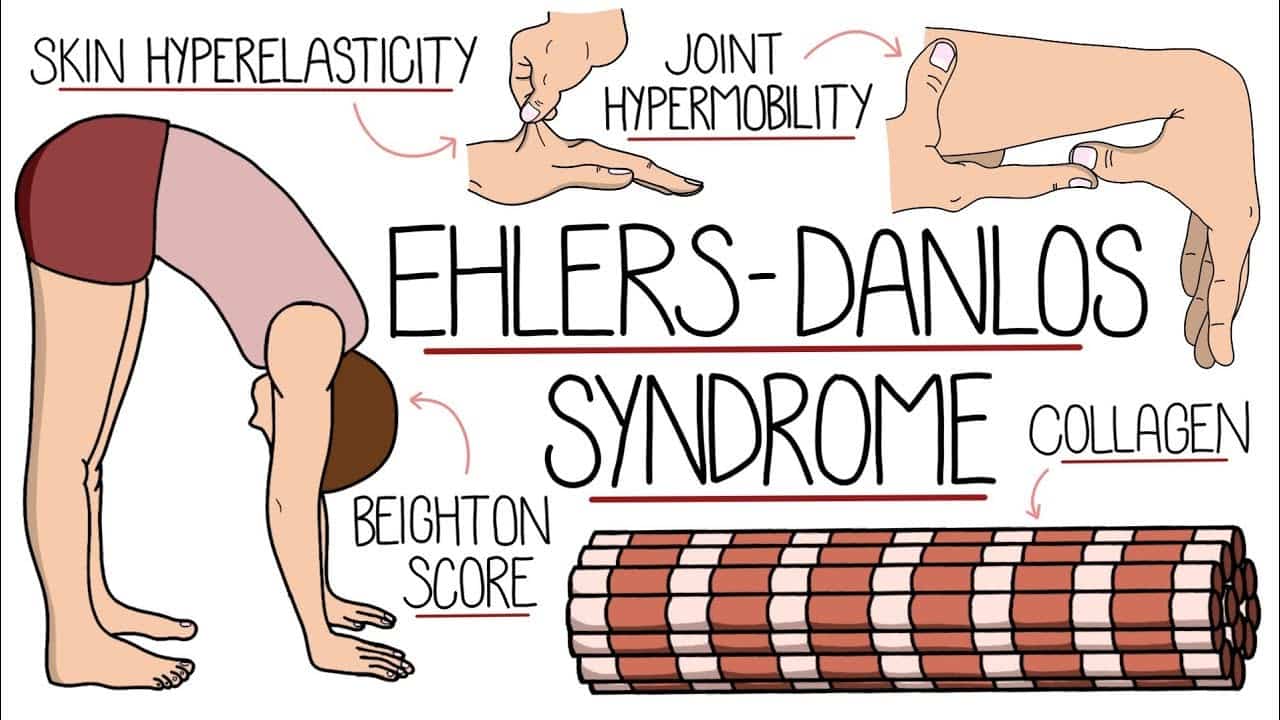
When 24-year-old Sneha visited her fifth doctor in three years complaining of constant joint pain, frequent dislocations, exhausting fatigue, and dizzy spells when standing, she was again told her symptoms were “probably just anxiety” or “growing pains” despite being well past her growth years. Frustrated and dismissed, she showed her doctor how she could bend her thumb backward to touch her forearm, put her palms flat on the floor without bending her knees, and pull her skin several inches away from her arm—party tricks she’d done since childhood. Finally, a rheumatologist recognized these signs as hallmarks of Ehlers-Danlos syndrome (EDS), a group of genetic connective tissue disorders affecting 1 in 5,000 people, though experts believe many more go undiagnosed. EDS is often called the “invisible illness” because patients typically look healthy on the outside while experiencing debilitating pain, dislocations, and numerous complications that doctors frequently dismiss as psychosomatic. Understanding EDS is crucial because the average patient sees 10-20 doctors over 10-12 years before receiving correct diagnosis, early recognition can prevent serious complications including arterial rupture in certain types, and with proper management most patients with common types live normal lifespans with good quality of life.
Collagen: The Body’s Structural Protein That’s Built Wrong
Collagen is the most abundant protein in your body, making up about 30% of all protein. It’s the main structural component of connective tissue—the framework holding your body together. Think of collagen as the scaffolding, ropes, and support beams in a building. There are 28 types of collagen, but types I, III, and V are most important in EDS. Type I collagen is found in skin, tendons, ligaments, bones, and blood vessel walls providing tensile strength—resistance to stretching and tearing. Type III collagen is abundant in blood vessel walls, intestines, and skin providing elasticity and structure. Type V collagen regulates the assembly of other collagen types, ensuring fibers form correctly.
Collagen molecules are formed by three protein chains twisting together like a rope to create a triple helix structure. Multiple triple helices then bundle together forming collagen fibrils, which assemble into larger collagen fibers providing tissues with strength and flexibility. This complex assembly process requires numerous proteins and enzymes working precisely. Any defect in the genes encoding collagen proteins or the enzymes modifying them can cause abnormal collagen structure, leading to weak, overly stretchy, or fragile connective tissues throughout the body.
Ehlers-Danlos syndrome encompasses 13 distinct types, each caused by defects in different genes affecting collagen production, structure, or processing. The types vary enormously in severity, features, and inheritance patterns. Hypermobile EDS (hEDS) is the most common type, accounting for 80-90% of all EDS cases. It’s characterized by joint hypermobility, skin involvement, and chronic pain. The genetic cause remains unknown—no specific gene has been identified yet, making diagnosis purely clinical based on features. Classical EDS (cEDS) represents about 5-10% of cases, caused by mutations in COL5A1 or COL5A2 genes affecting type V collagen. Features include severe skin hyperextensibility, atrophic scarring, and joint hypermobility.
Vascular EDS (vEDS) is the most dangerous type, accounting for <5% of cases but causing life-threatening complications. Mutations in COL3A1 gene affecting type III collagen cause fragile blood vessels, intestines, and organs prone to spontaneous rupture. Median lifespan is 48-51 years due to arterial or organ rupture risk. Other types include kyphoscoliotic EDS, arthrochalasia EDS, dermatosparaxis EDS, and several extremely rare types, each with specific genetic mutations and clinical features. Most types follow autosomal dominant inheritance (one mutated copy from one parent causes disease), though some are autosomal recessive (need two mutated copies, one from each parent).
Symptoms: Stretchy Skin, Bendy Joints, and Hidden Problems
The hallmark features of EDS vary by type but generally involve the “triad” of joint hypermobility, skin involvement, and tissue fragility. Joint hypermobility is the most recognizable feature, especially in hEDS. The Beighton score assesses hypermobility on a 9-point scale testing ability to bend pinky finger backward beyond 90 degrees (1 point each hand), touch thumb to forearm (1 point each side), hyperextend elbows beyond straight (1 point each arm), hyperextend knees backward (1 point each leg), and place palms flat on floor without bending knees (1 point). A score of 5+ out of 9 indicates generalized joint hypermobility, though historical hypermobility (as a child) counts if current score is lower due to age-related stiffening.
Beyond party tricks, joint hypermobility causes serious problems including frequent joint dislocations or subluxations (partial dislocations) affecting shoulders, knees, ankles, fingers, jaw, occurring with minimal trauma or even spontaneously during sleep. Chronic joint pain from unstable joints, muscle strain, and early-onset arthritis develops by the twenties or thirties. Muscle fatigue and weakness occur as muscles work overtime stabilizing hypermobile joints. Flat feet and ankle instability make walking painful. TMJ (jaw joint) dysfunction causes jaw pain, clicking, and difficulty chewing.
Skin manifestations vary by type. In hEDS, skin is soft, velvety, and mildly stretchy but returns to normal position when released. In cEDS, skin is dramatically hyperextensible—can be pulled several inches from the body—and shows atrophic scarring where injuries heal with thin, papery, wide scars. Easy bruising occurs with minimal trauma creating large, colorful bruises. Slow wound healing causes wounds to gape open and heal poorly. Skin fragility causes frequent cuts and tears from minor bumps. Some types show skin transparency where veins are clearly visible, skin that feels doughy or loose, or excessive skin folds.
Cardiovascular complications occur especially in vEDS but can affect other types. Arterial fragility in vEDS causes spontaneous arterial dissection or rupture (arteries tearing or bursting) particularly affecting medium-sized arteries—carotid, iliac, splenic, renal arteries—causing sudden severe pain, internal bleeding, stroke, or death. This can occur spontaneously or with minimal trauma. Mitral valve prolapse affects 50-70% of EDS patients where the heart valve doesn’t close properly. Aortic root dilation can develop requiring monitoring and sometimes surgery. Varicose veins and easy bleeding occur from fragile blood vessel walls.
Gastrointestinal problems are extremely common, affecting 50-90% of patients. Functional GI disorders including gastroparesis (delayed stomach emptying), irritable bowel syndrome, chronic constipation, reflux, and nausea affect most patients. In vEDS, intestinal rupture is a life-threatening risk—spontaneous bowel perforation causes sudden severe abdominal pain requiring emergency surgery. Hernias (inguinal, hiatal, umbilical) develop frequently from weak connective tissue. Rectal or uterine prolapse can occur.
Autonomic dysfunction particularly postural orthostatic tachycardia syndrome (POTS) affects 30-50% of hEDS patients, causing rapid heart rate increase upon standing (30+ beats per minute increase), dizziness, lightheadedness, fainting, fatigue, brain fog, and exercise intolerance. Dysautonomia explains many “mysterious” symptoms—temperature dysregulation, sweating abnormalities, digestive problems, and bladder dysfunction. Chronic fatigue affects 80-90% of patients—not typical tiredness but profound exhaustion not relieved by rest, significantly limiting daily activities. Chronic pain is nearly universal in hEDS, typically affecting multiple joints, muscles, and sometimes widespread (fibromyalgia-like). Pain often starts in childhood or adolescence and worsens over time.
Diagnosis: Clinical Recognition in Most Types
Diagnosing EDS requires recognizing the pattern of features since genetic testing is unavailable or not always conclusive for the most common types. For hypermobile EDS (hEDS), diagnosis is purely clinical using the 2017 diagnostic criteria requiring three conditions met. Criterion 1 is generalized joint hypermobility with Beighton score ≥5 for adults (≥6 for children/adolescents). Criterion 2 includes two or more features from systemic manifestations of heritable connective tissue disorder, family history, or musculoskeletal complications. Criterion 3 excludes other conditions explaining symptoms—other EDS types, hypermobility spectrum disorders, other heritable connective tissue disorders like Marfan or Loeys-Dietz syndrome.
For classical EDS (cEDS), diagnosis involves clinical features including skin hyperextensibility plus atrophic scarring, or generalized joint hypermobility, plus genetic testing confirming COL5A1 or COL5A2 mutations (found in 90% of cEDS patients). For vascular EDS (vEDS), clinical suspicion arises from family history of arterial rupture or dissection, characteristic facial features (thin nose and lips, small chin, prominent eyes), thin translucent skin with visible veins, easy bruising, or spontaneous arterial/organ/intestinal rupture. Genetic testing of COL3A1 gene confirms diagnosis in 95% of clinically suspected cases. Due to life-threatening risks, anyone with suspected vEDS should undergo genetic testing urgently.
Testing and evaluation includes skin biopsy in some types—electron microscopy shows abnormal collagen structure in cEDS and some other types but not in hEDS. Genetic testing is available for most types except hEDS, confirming diagnosis when mutations are found. However, negative genetic testing doesn’t rule out EDS if clinical features are present—some patients have mutations in genes not yet discovered or regions not covered by standard testing. Echocardiography assesses heart valves and aortic root size, repeated every few years monitoring for progressive dilation. Vascular imaging with CT or MRI angiography in vEDS patients maps arterial anatomy identifying aneurysms or abnormalities requiring monitoring or treatment.
Physical examination documents joint hypermobility (Beighton score), skin features (hyperextensibility, scarring, texture), and evidence of complications (hernias, varicose veins, organ prolapse). Differential diagnosis rules out other conditions causing similar features including other types of EDS (determining which type), Marfan syndrome (tall stature, aortic dilation, lens dislocation), Loeys-Dietz syndrome (aortic aneurysms, hypertelorism, cleft palate), joint hypermobility spectrum disorders (hypermobility without full EDS criteria), and autoimmune diseases (lupus, rheumatoid arthritis can cause joint pain and fatigue).
Treatment: Managing Symptoms and Preventing Complications
No cure exists for EDS and treatment focuses on symptom management, preventing complications, and maximizing function and quality of life. Physical therapy is the cornerstone of management for joint hypermobility, focusing on strengthening muscles surrounding hypermobile joints to provide stability, proprioceptive training improving joint position awareness, low-impact exercises like swimming, cycling, or gentle yoga maintaining fitness without stressing joints, and joint protection techniques preventing dislocations (proper lifting mechanics, avoiding hyperextension). Patients should avoid high-impact activities, contact sports, gymnastics, and activities requiring extreme flexibility that paradoxically worsen instability.
Pain management requires multimodal approaches including over-the-counter pain relievers (acetaminophen, NSAIDs though use cautiously due to easy bleeding), prescription medications for severe pain (tramadol, sometimes opioids though risk of dependence requires caution), neuropathic pain medications (gabapentin, duloxetine) for nerve-related pain, topical treatments (lidocaine patches, capsaicin cream), and complementary approaches (heat/ice, TENS units, acupuncture, massage). Pacing strategies to avoid overexertion and pain flares are essential.
Joint stabilization using braces, splints, or compression garments supports unstable joints, prevents dislocations, and reduces pain. Ring splints for hypermobile fingers, knee braces, ankle supports, and wrist splints help during activities. Some patients use wheelchairs or mobility aids during flares or for longer distances while remaining ambulatory for short distances. Cardiovascular monitoring involves regular echocardiograms for patients with valve problems or aortic dilation, blood pressure control, and in vEDS, avoiding activities causing sudden blood pressure spikes (heavy lifting, contact sports, high-altitude activities). Some vEDS patients take beta-blockers or celiprolol reducing arterial wall stress.
For vEDS specifically, emergency preparedness is crucial—carrying medical alert identifying vEDS, having emergency plan for arterial rupture, and knowing that surgery for vEDS patients requires special techniques due to tissue fragility (standard surgical approaches can worsen tearing). Avoiding invasive procedures when possible reduces complication risk. Gastrointestinal symptom management treats constipation, nausea, reflux, and other GI problems with medications, dietary modifications (small frequent meals, avoiding triggers), and sometimes feeding tubes if gastroparesis is severe. POTS and dysautonomia treatment includes increasing salt and fluid intake (2-3 liters daily, 10g salt daily), compression stockings preventing blood pooling in legs, medications (beta-blockers, fludrocortisone, midodrine) increasing blood pressure or heart rate control, and physical therapy specialized for dysautonomia.
Fatigue management involves pacing activities balancing rest and activity, treating underlying sleep disorders (sleep apnea common in EDS), and addressing nutritional deficiencies. Some patients benefit from stimulant medications though evidence is limited. Pregnancy requires specialized management—genetic counseling regarding inheritance risk (50% for dominant types), high-risk obstetrics care due to increased risks of premature rupture of membranes, preterm birth, postpartum hemorrhage, and pelvic organ prolapse. In vEDS, pregnancy carries significant maternal mortality risk (up to 12%) from arterial or uterine rupture—thorough counseling and monitoring at specialized centers is essential.
Living Well with EDS: Adaptation and Advocacy
Despite challenges, most people with EDS (except vEDS) have normal or near-normal lifespans and can live fulfilling lives with appropriate management and adaptations. Education and self-advocacy are crucial—learning about your specific type, understanding your body’s limits, and advocating for yourself in medical settings where EDS is poorly understood. Many patients become experts on their condition, educating healthcare providers they encounter. Workplace and school accommodations under disability laws (ADA in the US) may include flexible schedules for medical appointments, work-from-home options during pain flares, ergonomic workstations reducing joint stress, and reduced course loads or extended test times for students.
Lifestyle modifications include choosing appropriate activities (swimming, water aerobics, tai chi over running, basketball, or gymnastics), adapting daily tasks (sit instead of stand when possible, use tools reducing grip stress, organize home minimizing reaching/lifting), and planning for bad days (prepared meals, simplified routines, asking for help). Mental health support addresses depression and anxiety affecting 50-70% of EDS patients—chronic pain, medical dismissal, and functional limitations take emotional toll. Therapy, support groups, and sometimes medications help maintain mental wellbeing.
Support communities online and in-person connect patients sharing experiences, coping strategies, and emotional support—The Ehlers-Danlos Society is the primary advocacy and education organization. Research participation advances understanding—patients can enroll in registries and studies helping identify genetic causes of hEDS, better treatments, and improved diagnostic criteria. Many patients find meaning in advocacy work, raising awareness among medical professionals and the public, reducing diagnostic delays for future patients.
Frequently Asked Questions
Q1: I’m very flexible and have joint pain—how do I know if it’s just being “double-jointed” or actually Ehlers-Danlos syndrome?
This is an excellent question because many people are hypermobile without having EDS—joint hypermobility exists on a spectrum. About 10-20% of the general population has some degree of joint hypermobility, but only a small fraction has EDS. The key is recognizing additional features beyond flexibility. If you have joint hypermobility (Beighton score ≥5) but no other symptoms—no chronic pain, no frequent dislocations, no unusual skin features, no family history of similar problems—you likely have benign joint hypermobility syndrome or are in the hypermobility spectrum disorder category, not EDS. However, you should be evaluated for EDS if you have joint hypermobility PLUS several of these features: frequent joint dislocations or subluxations (shoulders popping out, kneecaps sliding, fingers dislocating), chronic pain in multiple joints lasting months to years, soft, velvety, or stretchy skin, easy bruising from minor bumps, slow wound healing or unusual scarring, family history of similar features, gastrointestinal problems (chronic constipation, reflux, nausea), dizziness upon standing or POTS symptoms, chronic fatigue not explained by other conditions, dental crowding or high-arched palate, hernias or organ prolapse, or varicose veins at young age. The 2017 hEDS diagnostic criteria require not just hypermobility but also systemic manifestations and musculoskeletal complications distinguishing EDS from simple flexibility. A rheumatologist, geneticist, or EDS specialist can evaluate you using these criteria. Even if you don’t meet full EDS criteria but have problematic hypermobility and pain, you may have hypermobility spectrum disorder (HSD)—a diagnosis used when features exist but don’t meet strict EDS criteria. HSD patients benefit from the same management approaches as hEDS—physical therapy, bracing, pain management—so diagnosis still matters for getting appropriate care. The bottom line: being flexible alone doesn’t mean EDS, but flexibility plus multiple other symptoms warrants medical evaluation.
Q2: What’s the difference between the various types of Ehlers-Danlos syndrome, and does the type I have matter?
The type absolutely matters because the 13 EDS types differ dramatically in features, severity, complications, inheritance, and management. Hypermobile EDS (hEDS) is the most common (80-90% of cases) with joint hypermobility, chronic pain, fatigue, POTS, and mild skin involvement. No gene identified yet. Generally good prognosis with normal lifespan. Management focuses on pain control, joint stability, and fatigue management. Classical EDS (cEDS) has joint hypermobility, dramatic skin hyperextensibility, atrophic scarring, easy bruising. Caused by COL5A1/COL5A2 mutations. Generally good prognosis but skin fragility causes problems. Vascular EDS (vEDS) is the most dangerous with thin translucent skin, characteristic facial features, and most importantly, arterial/organ fragility causing spontaneous arterial dissection, organ rupture, or intestinal perforation. COL3A1 mutations. Reduced lifespan (median 48-51 years) due to rupture risk. Requires specialized monitoring, emergency preparedness, and activity restrictions. Kyphoscoliotic EDS has severe muscle weakness from birth, scoliosis, joint hypermobility, eye fragility. Caused by PLOD1 or FKBP14 mutations. Can cause arterial rupture similar to vEDS. Arthrochalasia EDS presents with severe joint hypermobility and congenital hip dislocation. Caused by COL1A1/COL1A2 mutations. Generally good prognosis. Other rare types each have specific features and complications. Knowing your type affects medical management: vEDS patients need vascular monitoring, pregnancy counseling about high risks, emergency preparedness, and activity restrictions. hEDS patients focus on pain and fatigue management without needing extensive vascular monitoring. Classical EDS patients need wound care strategies. Genetic testing confirms most types (except hEDS) helping with family planning, testing family members, and accessing type-specific research and support. If you’re diagnosed with “EDS” but don’t know which type, ask your doctor to specify—it makes a significant difference in what you should monitor and how aggressively.
Q3: I was diagnosed with Ehlers-Danlos syndrome and want to have children. What are the risks and what should I know?
Pregnancy with EDS requires careful planning and specialized care, but many women with EDS have successful pregnancies and healthy babies. The considerations depend on your EDS type and specific complications. For hypermobile and classical EDS, pregnancy is generally safe though complications are more common than in unaffected women. Increased risks include premature rupture of membranes (water breaking early before labor), preterm birth (delivering before 37 weeks), postpartum hemorrhage (excessive bleeding after delivery from tissue fragility and difficulty with blood vessel constriction), pelvic organ prolapse after delivery, worsening joint pain and instability from pregnancy hormones (relaxin) further loosening already hypermobile joints, and worsening fatigue and POTS symptoms. Most women navigate these successfully with high-risk obstetrics care. For vascular EDS, pregnancy carries serious maternal risks including arterial dissection or rupture (up to 12% maternal mortality), uterine rupture during labor or delivery, and bowel perforation. Thorough counseling about risks is essential—some vEDS women choose not to become pregnant, others proceed with intensive monitoring at specialized centers. Genetic considerations: autosomal dominant types (most EDS types) have 50% chance of passing the mutation to each child. Autosomal recessive types require both parents carry mutations (extremely rare). Preimplantation genetic diagnosis (PGD) with IVF allows testing embryos before implantation, selecting unaffected embryos for transfer. Prenatal testing via chorionic villus sampling or amniocentesis can detect the mutation in pregnancy if the specific mutation is known. Some families choose not to test prenatally, accepting outcomes regardless. Before pregnancy, establish care with maternal-fetal medicine specialist experienced with EDS, optimize medical conditions (pain control, cardiovascular health, nutritional status), strengthen core and pelvic floor muscles with physical therapy, and ensure you’re on safe medications (some pain medications aren’t safe during pregnancy). During pregnancy, frequent monitoring with high-risk OB, pelvic floor physical therapy preventing/managing prolapse, abdominal support garments stabilizing joints, activity modifications avoiding heavy lifting and high-impact activities, and management of POTS symptoms often worsening during pregnancy. Delivery planning: many specialists recommend delivery at tertiary care centers with access to subspecialists if complications arise, epidural anesthesia carefully managed (some EDS patients have complications with spinal/epidural procedures), consideration of elective cesarean delivery for vEDS patients avoiding labor stress, and delayed cord clamping beneficial but may increase bleeding risk. Postpartum, continued monitoring for hemorrhage, prolapse, and arterial complications (vEDS), pelvic floor physical therapy, bracing for worsened joint instability, and acknowledging that caring for infants is physically demanding (lifting, carrying, nursing)—planning for help is essential. Many EDS mothers successfully navigate pregnancy and parenting, but preparation and specialized care optimize outcomes.
Q4: Why do so many doctors not know about Ehlers-Danlos syndrome, and what should I do when doctors dismiss my symptoms?
The frustrating reality is that EDS, particularly hEDS, is poorly taught in medical education despite affecting thousands of patients. Most medical schools dedicate minimal time to connective tissue disorders, and EDS is often mentioned only briefly if at all. The 2017 hEDS criteria are relatively new, and many practicing physicians haven’t updated their knowledge. Additionally, EDS symptoms—chronic pain, fatigue, dizziness, GI problems—are nonspecific and overlap with many conditions, making diagnosis challenging. The lack of a genetic test for hEDS (the most common type) means diagnosis relies purely on clinical recognition, requiring doctors to know what features to look for. Many patients, especially young women, are dismissed as anxious, depressed, or attention-seeking because their symptoms are “invisible”—you can’t see joint hypermobility or chronic pain on standard tests, and patients often look healthy externally. When facing dismissive doctors, try these strategies: bring documentation—print the 2017 hEDS diagnostic criteria (available from The Ehlers-Danlos Society website), calculate your Beighton score in advance, and document your symptoms objectively (joint dislocations with dates, photos of bruising, skin hyperextensibility). Find a knowledgeable provider—ask for referral to rheumatology, medical genetics, or physical medicine & rehabilitation where specialists are more likely to know EDS. The Ehlers-Danlos Society maintains provider directories. Join patient advocacy groups that can recommend experienced physicians. Be persistent but professional—if a doctor dismisses you, politely but firmly request documentation in your medical record that you raised concerns about EDS and that the doctor declined to evaluate further. This creates accountability and helps with future providers. Sometimes saying “I’d like you to document your decision not to pursue this diagnosis” prompts reconsideration. Seek second (or fifth or tenth) opinions—the average EDS patient sees 10-20 doctors before diagnosis. Frustrating, but eventual correct diagnosis is worth persistence. Consider telehealth with EDS specialists who can evaluate remotely and guide local care. Educate gently—bring a one-page summary about EDS for your doctor to read. Many physicians appreciate learning about conditions they haven’t encountered. Focus on symptoms’ functional impact—instead of saying “I think I have EDS,” describe how symptoms affect your life: “My joints dislocate so frequently I can’t work full-time” or “My pain is so severe I can’t care for my children.” Functional limitations sometimes get more attention than specific diagnoses. Know that being dismissed isn’t your fault—it reflects gaps in medical education, not problems with you. Connecting with other EDS patients through support groups validates your experience and provides solidarity during the diagnostic journey.
Q5: Is there any research into treatments or a cure for Ehlers-Danlos syndrome, or will I always just manage symptoms?
Currently, no cure exists for EDS because it’s caused by genetic mutations present in every cell—correcting that would require gene therapy or gene editing throughout the entire body, which isn’t yet possible. However, research is advancing on multiple fronts offering hope for better treatments and quality of life. Genetic research continues identifying the gene(s) causing hEDS—the most common type but without known genetic cause. Once identified, this would enable genetic testing confirming diagnosis, genetic counseling for families, and potentially development of gene-specific therapies. Animal model research uses mice with collagen gene mutations similar to human EDS, testing potential treatments before human trials. Pharmacological research explores medications that might improve collagen structure or reduce complications. Celiprolol (beta-blocker) showed promise in vEDS reducing arterial event rates in clinical trials. Studies continue testing whether it benefits other types. Studies of losartan (angiotensin receptor blocker) which improved outcomes in Marfan syndrome are being explored for EDS. Anti-fibrotic medications reducing excess scarring and fibrosis are being tested. Vitamin C and lysyl hydroxylase cofactors that support collagen production show modest benefit in some studies. Biomarker research identifies measurable markers in blood or urine reflecting EDS activity or severity, which would help diagnose patients, monitor disease progression, and measure treatment effectiveness. Physical therapy research develops evidence-based protocols specifically for EDS—most current PT approaches are adapted from other conditions. Studies testing specific strengthening protocols, proprioceptive training, and exercise regimens optimize outcomes. Pain management research tests novel approaches including neuromodulation, specialized physical therapy, psychological interventions (CBT, acceptance and commitment therapy), and combination medication regimens. POTS treatment research explores medications, IV fluids, compression techniques, and exercise programs improving autonomic function. Registry and natural history studies like the EDS Global Registry collect data from thousands of patients worldwide tracking disease progression, complications, and treatment effectiveness—this data guides clinical care and identifies patients for clinical trials. Gene therapy remains distant but theoretical future possibility—once hEDS gene(s) are identified, researchers could theoretically develop therapies delivering correct gene copies or silencing mutated genes. However, the challenge is that EDS affects connective tissue throughout the entire body, making gene therapy delivery extraordinarily complex. More realistic near-term goals are better symptomatic treatments, earlier diagnosis through improved medical education and awareness, standardized treatment protocols based on research evidence, and validation of new therapies through clinical trials. While cure seems distant, incremental improvements in diagnosis, management, and quality of life continue. Patients can participate in research by enrolling in registries, joining clinical trials, and contributing to natural history studies—advancing understanding benefits future patients even if current patients don’t see dramatic breakthroughs during their lifetimes.
Disclaimer
This article adapts publicly available information from medical databases and research organizations. This content is for informational and educational purposes only and does not constitute medical advice. ObserverVoice.com is a news and information platform — not a healthcare provider. Decisions about Ehlers-Danlos syndrome diagnosis, genetic testing, and treatment should be made in consultation with qualified physicians, rheumatologists, geneticists, and specialists in connective tissue disorders who can evaluate your individual symptoms, family history, and health circumstances. If you have joint hypermobility with chronic pain or sudden severe pain suggesting arterial dissection, please consult with your healthcare team immediately.
References
- The Ehlers-Danlos Society. What is EDS? https://www.ehlers-danlos.com/what-is-eds/
- National Institute of Arthritis and Musculoskeletal and Skin Diseases. Ehlers-Danlos Syndrome. https://www.niams.nih.gov/health-topics/ehlers-danlos-syndrome
- PMC. The Ehlers-Danlos Syndromes: A Comprehensive Review. https://www.ncbi.nlm.nih.gov/pmc/articles/PMC5558299/
- PMC. 2017 International Classification of the Ehlers-Danlos Syndromes. https://www.ncbi.nlm.nih.gov/pmc/articles/PMC5347124/
- World Health Organization. Congenital Disorders. https://www.who.int/health-topics/congenital-anomalies
Observer Voice is the one stop site for National, International news, Sports, Editor’s Choice, Art/culture contents, Quotes and much more. We also cover historical contents. Historical contents includes World History, Indian History, and what happened today. The website also covers Entertainment across the India and World.

