

Exploring Donald Trump’s 2026 Oil Policy: Strategies for Drilling, Sanctioning, and Controlling Oil Economics

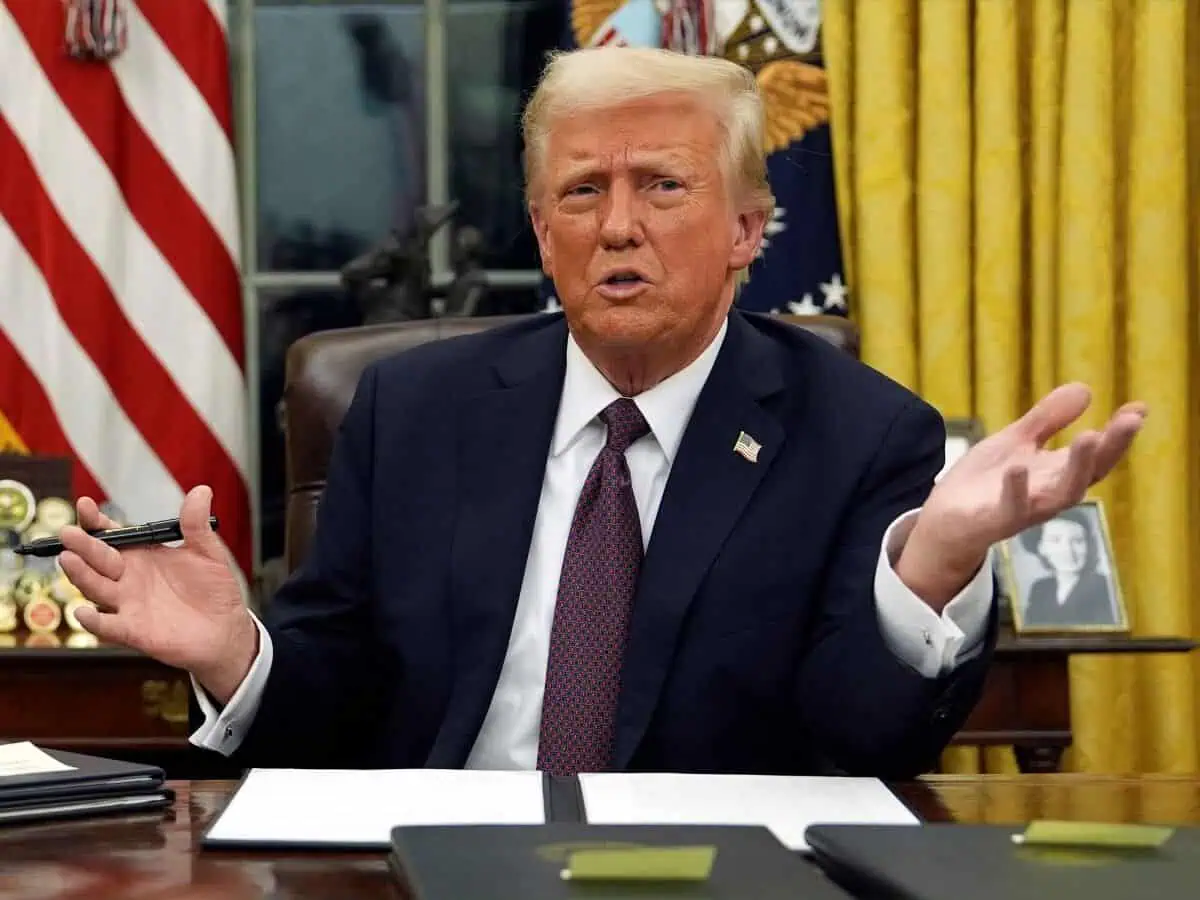
US President Donald Trump’s second term has marked a significant shift in energy policy, with oil emerging as a central theme in both domestic and international strategies. The administration’s approach has transformed from mere campaign slogans into a comprehensive economic doctrine, positioning energy dominance as a key tool for global influence. This strategy is characterized by a clear alignment between campaign financing from the oil and gas sector and the administration’s policy decisions, which have prioritized domestic production and reduced regulatory constraints.
Campaign Financing and Policy Alignment
Understanding the energy strategy of Trump’s second term requires examining the campaign financing landscape. Data from watchdog groups indicates that oil and gas interests have been among the most consistent financial supporters of Trump’s political endeavors. An analysis by Climate Power revealed that the oil and gas industry invested approximately $445–$450 million during the 2024 election cycle to sway Trump and Republican leaders. This funding included nearly $96 million directed to Trump’s campaign and affiliated groups, with an additional $243 million allocated for lobbying efforts and advertising.
This substantial financial backing has translated into a direct alignment between the administration’s policy roadmap and the long-standing priorities of the oil and gas sector. The Trump administration’s energy policies have mirrored the industry’s interests, reflecting a clear connection between campaign contributions and subsequent regulatory decisions. This alignment has facilitated a robust push for domestic oil production, with significant implications for both the US economy and global energy markets.
Reviving Domestic Oil Production
Shortly after taking office, Trump reaffirmed his commitment to increasing domestic oil production, a promise made during his campaign. His administration has actively expanded leasing on federal lands, expedited offshore drilling approvals, and streamlined environmental review processes. This aggressive approach has resulted in nearly 6,000 drilling permits granted on federal lands, representing a 55% increase compared to the previous administration’s timeframe.
By early 2026, the US has achieved near-record production levels, bolstered by expanded export infrastructure that enhances its global market influence. The White House recently announced that the US became the first country to export over 100 million metric tons of liquefied natural gas (LNG) in a single year. Trump has consistently highlighted these achievements, asserting that American natural gas and oil production have reached unprecedented levels, further solidifying the US’s position as a leading energy exporter.
Regulatory Changes and Climate Policy
From the outset of his second term, Trump has sought to reshape America’s energy landscape by withdrawing from numerous international agreements and treaties. This move, which includes exiting the Paris Climate Agreement, reflects a prioritization of national interests over global environmental commitments. By easing regulatory constraints on the oil and gas industry, the administration has effectively facilitated large-scale fossil fuel expansion.
Domestically, regulatory agencies have been instructed to reduce restrictions on oil and gas operations, including revisiting methane emission rules and expediting pipeline approvals. This shift has resulted in a more favorable operating environment for fossil fuel producers, while simultaneously slowing the momentum of renewable energy initiatives. The administration’s policies have drawn criticism for favoring traditional energy sources over cleaner alternatives, highlighting the ongoing tensions within Trump’s energy strategy.
Geopolitical Strategies and Economic Implications
Trump’s energy strategy has also involved leveraging geopolitical tensions to enhance US oil exports. Sanctions on Russian energy exports have disrupted established trade routes, particularly affecting countries reliant on crude oil. By constraining alternative supply sources, the US has positioned its own oil exports as an attractive alternative, effectively engineering demand in the global market.
In addition, Trump’s administration has taken a more direct approach to Venezuela, moving beyond sanctions to exert control over oil flows. Following military actions against the Venezuelan government, the US has integrated Venezuelan oil into its supply chains, facilitating significant sales and signaling a shift from sanctions to monetization. This strategy not only repositions US companies within one of the world’s largest oil reserves but also underscores the intersection of geopolitical intervention and economic interests.
As the global energy landscape continues to evolve, Trump’s second-term energy policies illustrate a coordinated framework that intertwines funding, regulation, and geopolitics. The implications of these strategies extend beyond the US, influencing global markets and reshaping energy dynamics for countries like India, which must navigate a more complex energy environment amid rising geopolitical tensions.
Observer Voice is the one stop site for National, International news, Sports, Editor’s Choice, Art/culture contents, Quotes and much more. We also cover historical contents. Historical contents includes World History, Indian History, and what happened today. The website also covers Entertainment across the India and World.

