

Oil Companies and Exporters Celebrate the Reopening of the Hormuz Strait

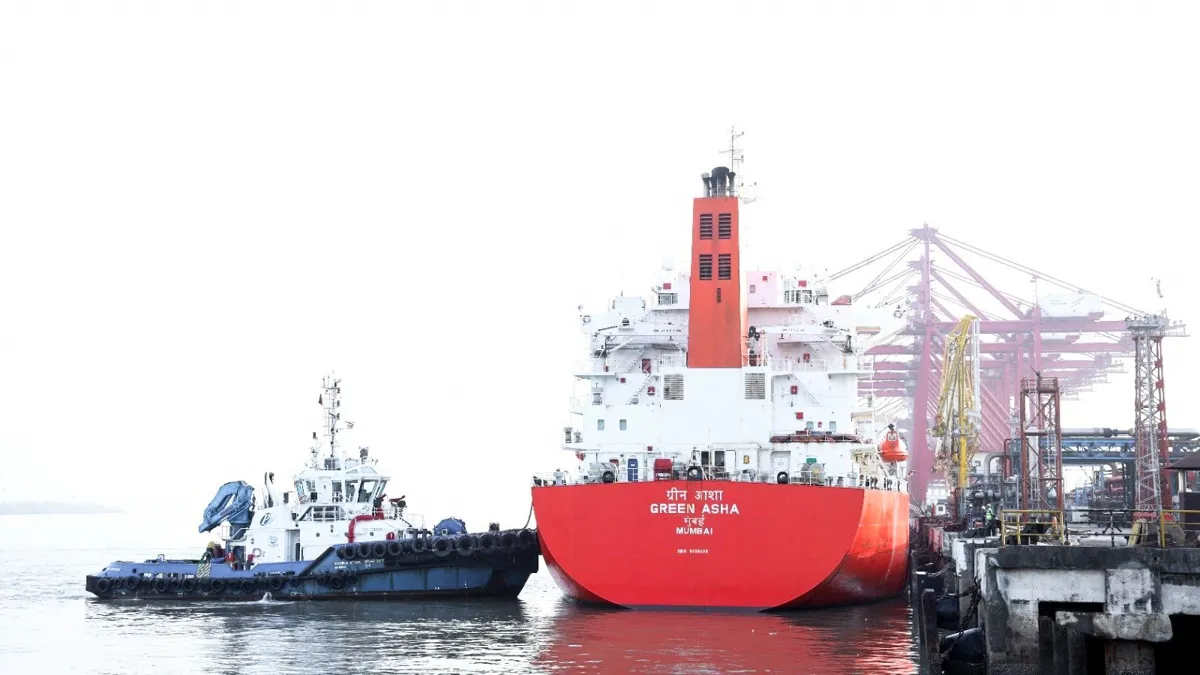
Indian oil companies and fertilizer importers are celebrating the reopening of the Strait of Hormuz for commercial vessels, a crucial development after a blockade that began on February 28. Currently, 41 ships, both Indian and foreign-flagged, are poised to cross the vital waterway, carrying essential cargoes such as crude oil, liquefied petroleum gas (LPG), liquefied natural gas (LNG), and fertilizers. This reopening comes just in time for India, as the country prepares for the kharif sowing season, making the timely arrival of fertilizers critical.
Impact on Oil Prices and Freight Rates
Following the announcement of the Strait’s reopening, oil prices have dropped significantly, with Brent crude futures falling to $87.9 a barrel, marking an 11.5% decrease. This decline in oil prices is expected to lead to lower international freight rates, benefiting various sectors reliant on shipping. Dev Garg, director at Eximwala Solutions, emphasized that reduced oil prices will translate into decreased transport costs, which is a positive development for exporters and importers alike.
Danish Shah from Sanghar Exports noted that high freight costs had previously hindered exports to West Asia, particularly for perishable goods like bananas and onions. With the uncertainty surrounding shipping routes, many exporters had suspended operations. However, with the Strait now open, there is hope that shipping lines will resume normal operations, allowing for the movement of goods that had been stalled.
Expectations for Export Growth
As the situation stabilizes, exporters are optimistic about resuming shipments in the coming days. Amit Marwah, managing director of DRRK Foods, expressed confidence that demand from West Asia would rise, particularly for the 18,000 tonnes of basmati rice currently stranded at Indian ports. He noted that freight rates had surged to four to five times the previous cost of $700 per container to Jeddah port, making exports unviable. However, with the anticipated drop in freight rates, Marwah expects to see a significant increase in export activity.
Ajai Sahay, director general of the Federation of Indian Export Organisations (FIEO), highlighted that the reopening of the Strait would not only facilitate exports to West Asia but also shorten shipping routes for cargo destined for Europe. This development is expected to positively impact exports in the upcoming months.
Shipping Developments and Energy Supply Relief
Officials monitoring the situation reported that approximately two dozen ships bound for the Middle East are currently waiting at Indian ports. The next few days will be crucial as more vessels begin to navigate the Strait. A senior official at a government-owned port noted that it typically takes four to six days for ships to travel from the western side of Hormuz to Indian ports. The resumption of free sailing is anticipated to provide significant relief to energy supplies that have been disrupted for over 45 days due to military conflict in the region.
India has utilized diplomatic channels to ensure the safe passage of nine Indian merchant ships carrying LPG, the primary cooking fuel in the country. While details regarding foreign-flagged vessels remain undisclosed due to trade confidentiality, officials have assured that India has secured energy supplies from diverse sources during the blockade. The reopening of the Strait of Hormuz is expected to alleviate pressure on energy supplies and facilitate smoother trade operations in the region.
Observer Voice is the one stop site for National, International news, Sports, Editor’s Choice, Art/culture contents, Quotes and much more. We also cover historical contents. Historical contents includes World History, Indian History, and what happened today. The website also covers Entertainment across the India and World.

