

India’s Economic Outlook at Risk: RBI Highlights 5 Potential Impacts from US-Iran Conflict

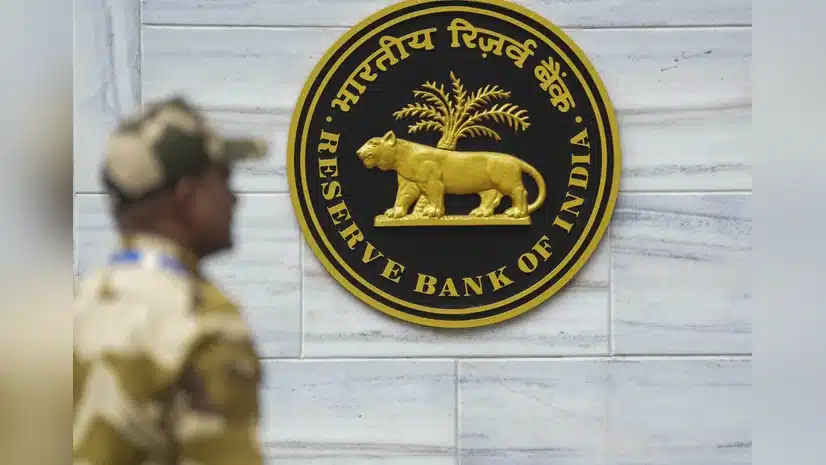
The ongoing conflict between the US and Iran has significantly impacted global markets, with India, as the world’s fifth-largest economy, feeling the effects acutely. The Reserve Bank of India (RBI) has expressed confidence in the country’s economic fundamentals despite rising oil prices and supply chain disruptions. In its latest monetary policy review, the RBI projected a GDP growth of 6.9% for the fiscal year 2026-27, assuming an average oil price of $85 per barrel, while also highlighting potential risks stemming from the Middle East conflict.
RBI’s Economic Outlook Amidst Global Tensions
In its recent monetary policy review, the Reserve Bank of India maintained the repo rate but emphasized the resilience of India’s economic fundamentals. RBI Governor Sanjay Malhotra stated that the current economic conditions are stronger than during previous crises and compared favorably to many other economies. The central bank has projected a GDP growth rate of 6.9% for the fiscal year 2026-27, with inflation expected to average 4.6%. These estimates are based on the assumption that oil prices will stabilize at around $85 per barrel. The RBI also noted that the ongoing crisis in West Asia could impact growth due to elevated energy prices and supply chain disruptions, particularly through the Strait of Hormuz.
Malhotra highlighted that the government has been proactive in ensuring the supply of critical inputs to mitigate the effects of these disruptions. The RBI remains optimistic about the services sector’s momentum, the positive impact of GST rationalization, and the healthy financial status of corporations and banks. Additionally, the agricultural sector is expected to benefit from favorable reservoir levels, contributing to overall economic stability.
Identifying Risks from the US-Iran Conflict
The RBI has identified five key risks that could adversely affect India’s economy due to the ongoing US-Iran conflict. One major concern is the potential widening of the current account deficit, driven by rising crude oil prices. An increase of $10 in crude prices could add approximately $12-15 billion to India’s annual import bill. If prices were to rise to $120 per barrel, the oil trade deficit could reach nearly $220 billion, pushing the current account deficit above 3.1% of GDP.
Another risk involves disruptions in energy markets, which could negatively impact industries reliant on oil and fertilizers, leading to reduced domestic output. The RBI also warned that heightened uncertainty and risk aversion could affect domestic liquidity, consumption, and investment. Furthermore, weaker global growth prospects may dampen remittance flows, which are vital for the Indian economy. Lastly, adverse spillovers from global financial markets could raise borrowing costs, tightening domestic financial conditions.
Assessing the Impact on India’s Growth Trajectory
Experts have noted that the RBI’s projections for growth and inflation are closely tied to global crude prices. If crude prices average $95 per barrel, growth could decline to 6.7%, with inflation rising to 5.0%. The time lag in normalizing global crude supply could mean that prices exceed $95 per barrel, further impacting India’s economic outlook. However, government policies aimed at stabilizing prices may help mitigate some inflationary pressures.
Analysts emphasize that while risks to India’s growth story are present, the underlying strength of the domestic economy may help navigate these challenges. Factors such as diversification in energy sources, increased domestic manufacturing, and recent trade agreements could provide buffers against external shocks. The RBI’s analysis indicates that despite the uncertainties, India’s economic fundamentals remain robust, supported by strong private consumption and investment.
Looking Ahead: Navigating Uncertainty
The RBI has cautioned that while India is currently resilient, ongoing geopolitical tensions and fluctuations in global financial markets could pose challenges. The central bank’s report underscores the importance of continuous assessment of crude oil prices and exchange rate developments. As the situation evolves, the RBI will remain vigilant, ready to adjust its policies as necessary to support economic stability.
Observer Voice is the one stop site for National, International news, Sports, Editor’s Choice, Art/culture contents, Quotes and much more. We also cover historical contents. Historical contents includes World History, Indian History, and what happened today. The website also covers Entertainment across the India and World.

