

Why We Judge Actions by Results Instead of Intentions

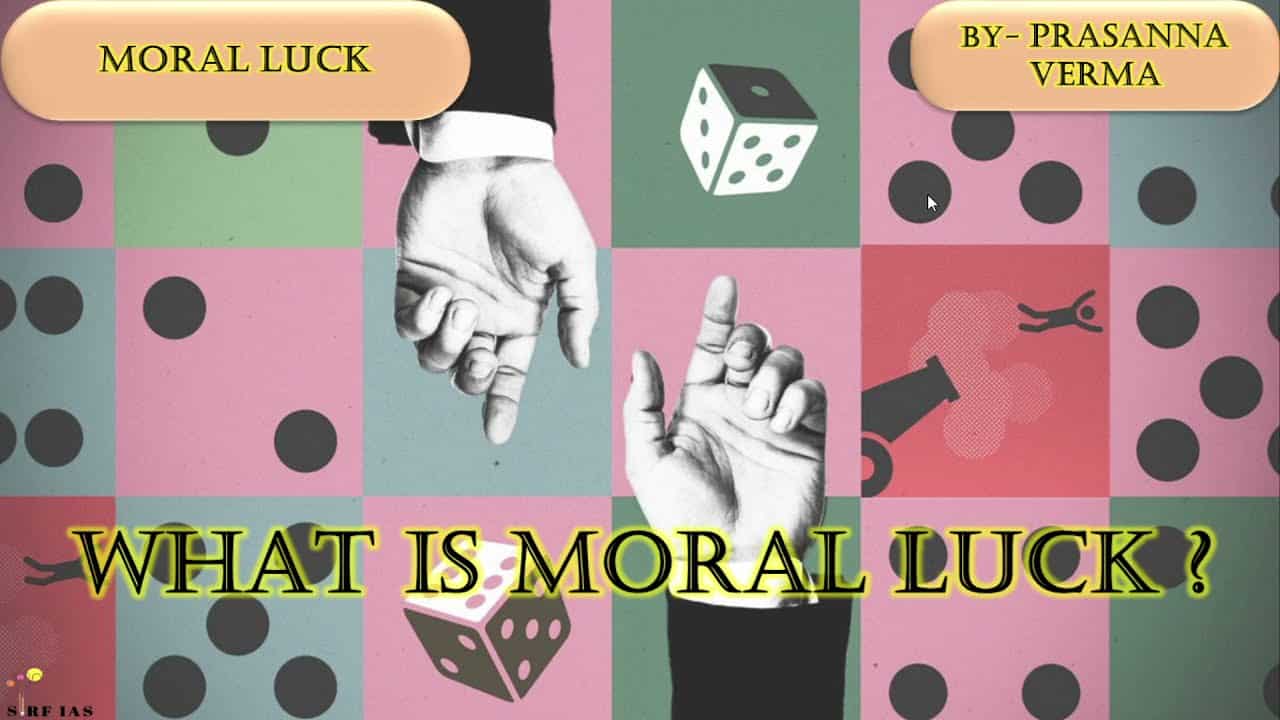
On a rainy evening in Mumbai, two friends—Arjun and Rohan—were driving home from school separately, each in their family’s car. Both were seventeen-year-old students who had just received their licenses. Both were tired after a long day. Both glanced at their phones for just two seconds while driving through a residential area at the same speed, committing the same dangerous mistake at almost the same moment.
Arjun’s two-second distraction happened on an empty street. Nothing happened. He put his phone away, felt briefly guilty, and arrived home safely. He told himself he’d been lucky and vowed to never check his phone while driving again.
Rohan’s two-second distraction occurred just as a child ran into the street chasing a ball. Rohan didn’t see the child in time. He slammed the brakes and swerved, but still struck the child, causing serious injuries. The child survived but spent weeks in the hospital.
Within days, the entire school knew about Rohan’s accident. He was called reckless, irresponsible, and dangerous. Students avoided him. Parents demanded he never be allowed to drive again. Some called for criminal charges. The community’s moral judgment was harsh and unanimous: Rohan was a terrible person who had done something unforgivable.
Meanwhile, nobody knew about Arjun’s identical two-second phone glance because nothing bad had happened. Arjun was still considered a good, responsible student. He felt guilty privately, but faced no social consequences.
When Arjun’s psychology teacher learned about both incidents (Arjun had confessed his near-miss in guilt), she addressed the class: “Both boys did exactly the same thing—looked at their phones while driving for two seconds. The action was identical. The choice was identical. The recklessness was identical. The only difference was luck: no child ran into Arjun’s path. That difference in outcome, which neither boy controlled, has created completely different moral judgments. Rohan is condemned as a bad person, while Arjun, who did the same thing, remains in good standing.”
She continued: “This is moral luck—we judge people’s moral worth based on outcomes they don’t control rather than on the choices and intentions they do control. Morally, Arjun and Rohan are equivalent—both made the same poor choice with the same reckless disregard for safety. But because luck determined different outcomes, we judge them completely differently. This reveals a fundamental inconsistency in moral judgment: if morality is about choices and character, outcomes you don’t control shouldn’t change moral evaluation. Yet they do, powerfully.”
This cognitive bias—judging people’s moral character by results rather than intentions and choices—affects how we evaluate drunk drivers who crash versus those who arrive home safely, how we judge business decisions that succeed versus those that fail, and countless situations where luck determines outcomes but we let those outcomes determine moral judgments. Understanding moral luck reveals why our moral intuitions often contradict our moral principles, and why we judge people inconsistently based on factors beyond their control.
What Is Moral Luck?
Moral luck is the phenomenon where people’s moral evaluation of an action or person depends on factors beyond the agent’s control—particularly the outcome or consequences of the action. When the same action leads to bad outcomes, we judge it as morally worse and judge the person more harshly than when the identical action leads to neutral or good outcomes through luck. This creates paradox: if morality concerns what’s in our control (choices, intentions, efforts), then factors outside our control (luck, randomness, others’ actions) shouldn’t affect moral judgments. Yet they powerfully do—we condemn unlucky people more harshly than lucky people who made identical choices.
The phenomenon was identified by philosopher Thomas Nagel. Research at Princeton University demonstrated that people assign different moral blame to identical actions based solely on outcomes: a drunk driver who kills someone receives far harsher moral condemnation than a drunk driver who arrives home safely, even though both made the same choice to drive drunk with the same recklessness. The difference in outcome, determined by luck (whether someone was in their path), creates difference in moral judgment.
According to studies from Yale University, moral luck operates through outcome bias—the tendency to evaluate decisions by results rather than by quality of reasoning at the time. Additionally, severe outcomes trigger stronger emotional reactions (a dead child versus no harm), and these emotions influence moral judgments. People reason backward from outcomes to intentions: bad outcomes make us assume worse intentions or character, even when intentions were identical to cases with good outcomes.
Research from University of California, Berkeley demonstrates that moral luck is particularly strong when: (1) outcomes are severe (death versus minor injury), (2) you can vividly imagine the outcome (making it emotionally salient), (3) the agent is a stranger (allowing easier harsh judgment), and (4) you’re not considering the role of luck explicitly. These conditions make outcome-based moral judgment nearly automatic, even though it contradicts the principle that people should only be judged for what’s in their control.
The Parable of the Two Archers and the Gust of Wind
A teaching tale tells of a kingdom where two archers—Vikram and Aditya—served in the royal guard. Both were equally skilled, equally trained, and equally careful. One day, they were both ordered to shoot arrows at distant targets during a demonstration for the king.
Vikram shot first. Just as his arrow left the bow, a sudden gust of wind pushed it off course. The arrow veered wildly, struck a palace window, and shattered it, sending glass shards into a room where servants were working. One servant was badly cut by the flying glass.
The king was furious. “Vikram is reckless and careless! He has wounded an innocent person! Throw him in prison and strip him of his position!” The court agreed—Vikram’s arrow had caused harm, therefore Vikram must be morally culpable.
Moments later, Aditya took his shot. The wind had died down—no gust deflected his arrow. It flew straight, hit the target perfectly, and everyone applauded his skill and carefulness. The king praised Aditya’s excellence and responsibility.
A wise advisor spoke up: “Your Majesty, both archers shot with equal care and skill. The only difference was the wind—random luck that neither could control or predict. Vikram’s arrow went astray because of a gust; Aditya’s arrow flew true because the gust passed. You’re punishing Vikram for bad luck and praising Aditya for good luck, while their actual skill, effort, and care were identical. Is this just?”
The king was defensive. “But a servant was harmed! Someone must be held responsible!”
The advisor pressed: “Should we hold people responsible for outcomes they couldn’t control or predict? Both archers did their duty carefully. Random wind determined different results. If we judge them by outcomes rather than by actions, we’re judging luck, not character or choice. Tomorrow, the wind might favor Vikram and disfavor Aditya. Would that make Vikram suddenly virtuous and Aditya culpable? Surely moral worth doesn’t change with the wind.”
The king reflected and realized the injustice. He released Vikram, explaining: “I judged you harshly because the outcome was bad, but the outcome was beyond your control. Your action—shooting carefully as ordered—was identical to Aditya’s. I confused bad luck with bad character. This was wrong.”
Buddhist philosophy addresses moral luck in teachings about karma while warning against oversimplified outcome-based judgment. The Buddha taught that karma (moral cause and effect) operates through intention and action, not through luck-determined outcomes. Judging people morally by results they don’t control misunderstands karma’s focus on volition. Two people with identical intentions and actions have identical moral status, even if luck gives them different outcomes.
The Bhagavad Gita discusses this through Krishna’s teaching about focusing on action rather than fruits of action. Krishna teaches that you control your choices and efforts, not outcomes, which depend on many factors beyond your control. Moral evaluation should focus on what you control (your intentions, efforts, choices), not what you don’t (outcomes determined by luck, others’ actions, randomness). Judging by outcomes mistakes fortune for virtue.
How Random Outcomes Shape Moral Judgment
In drunk driving and reckless behavior consequences, moral luck makes people judge drunk drivers who kill someone far more harshly than drunk drivers who arrive home safely, despite identical recklessness and choice. Research shows that the drunk driver who kills faces harsh moral condemnation (“terrible person,” “murderer”) while the equally drunk driver who arrived home safely is judged more leniently (“made a mistake,” “got away with it”). Both drove drunk with equal disregard for safety; only luck determined different outcomes.
Studies from Harvard University found that mock jurors assigned far harsher moral blame and recommended far longer sentences for drunk drivers in fatal crashes versus those in non-fatal crashes, even when blood alcohol levels and circumstances were identical. The death (outcome beyond the driver’s control) dramatically increased moral condemnation despite no difference in choice or recklessness.
In medical mistakes and professional errors, moral luck makes people judge doctors whose mistakes cause death much more harshly than doctors whose identical mistakes luckily don’t cause harm. Research shows that when two doctors make the same error (wrong medication dose, missed diagnosis), the one whose patient dies faces severe moral condemnation, lawsuits, and career consequences, while the one whose patient survives despite the error faces much milder judgment. The error was identical; only patient physiology and luck determined which mistake proved fatal.
Studies demonstrate that medical error reporting is affected by moral luck: doctors are more likely to report and discuss errors that didn’t harm patients but less likely to report similar errors that caused harm because the moral condemnation for bad-outcome errors is so severe. This is perverse—the exact same error receives different moral judgment based solely on luck, discouraging learning from errors when learning is most important.
In business decisions and leadership outcomes, moral luck makes people judge executives’ decisions by results rather than by quality of reasoning. Research shows that business leaders who make risky decisions that succeed are praised as visionary and brilliant, while leaders who make identical risky decisions that fail are condemned as reckless and incompetent. The decision quality (risk assessment, reasoning, information available) was identical; only market luck determined success versus failure.
Studies from Stanford University found that identical business strategies are judged completely differently based on outcomes: a strategy that succeeded is called brilliant and the executive praised for bold vision, while the same strategy that failed is called foolish and the executive criticized for poor judgment. Hindsight bias combines with moral luck: we judge decisions by knowing how they turned out rather than by what was reasonably foreseeable when made.
In attempts to help that go wrong, moral luck makes people judge failed rescue attempts or failed charity interventions far more harshly than if the person hadn’t tried to help at all. Research shows that when someone tries to help and accidentally makes things worse, they face harsh moral judgment (“interfering,” “making things worse”) compared to someone who didn’t help and things got worse anyway. The attempt to help with good intentions is judged harshly when outcomes are bad, even though not helping would have produced similar or worse outcomes.
Studies demonstrate that this discourages helping behavior: people avoid attempting risky interventions (emergency medical help, rescues, confronting wrongdoing) partly because they know that if things go badly despite their good intentions, they’ll be blamed more than if they’d done nothing. Moral luck creates perverse incentives: passive inaction is judged less harshly than active attempts that fail, even when attempting has higher expected value.
Judging People by What They Control
The most important practice for countering moral luck is explicitly separating what someone controlled (their choices, intentions, knowledge, efforts) from what they didn’t control (outcomes determined by luck, others’ actions, unpredictable factors). When evaluating moral responsibility, focus on the controllable factors. Two people who made identical choices with identical information deserve identical moral judgment, even if luck gave them different outcomes.
Before judging someone harshly for a bad outcome, ask: “If the outcome had been better through luck, would I judge them differently?” If yes, you’re experiencing moral luck. Also ask: “Did they control this outcome? Could they have reasonably foreseen and prevented it?” If the bad outcome came from factors they couldn’t control or foresee, harsh moral judgment is misplaced even though the outcome is tragic.
Grant others the benefit of recognizing bad luck, not bad character. When someone’s action leads to bad outcomes, consider whether the same action could easily have led to neutral outcomes in different circumstances. The drunk driver is culpable for driving drunk (the choice), not for hitting someone (the luck of whether someone was in their path). The culpability is the same whether they hit someone or didn’t—both drove drunk recklessly. Focusing blame on the choice rather than the outcome creates consistent moral judgment.
Recognize that you’ve benefited from moral luck yourself. Most people have taken risks or made mistakes that could have led to terrible outcomes but didn’t through luck. Remembering times you got lucky helps generate humility when judging those who weren’t lucky. “I drove tired and nothing happened, but I could have caused an accident” creates understanding that others who did cause accidents through identical actions aren’t morally worse than you—just unlucky.
Support systems that account for moral luck rather than being determined by it. Legal systems that punish attempts the same as completed crimes (attempted murder gets similar punishment as successful murder) recognize that moral culpability lies in the action and intent, not the luck of whether the bullet hit. Workplace systems that evaluate decisions by reasoning quality rather than by results recognize that good decisions can fail and bad decisions can succeed through luck.
Remember Arjun and Rohan who both glanced at phones while driving but faced completely different judgments because a child ran into Rohan’s path, and the two archers whose identical shots were judged differently based on random wind. Both illustrate how moral luck makes us judge outcomes rather than choices, creating inconsistent and unfair moral evaluations based on factors people don’t control.
Moral luck creates paradox: we believe people should only be responsible for what they control, yet we judge them heavily based on what they don’t control. This paradox can’t be fully resolved—our emotional reactions to outcomes are automatic and influence judgment even when we know the outcomes were lucky or unlucky. But recognizing moral luck allows conscious correction: acknowledge the emotional pull toward outcome-based judgment while deliberately focusing moral evaluation on what people actually controlled. The person who drove drunk and killed someone and the person who drove drunk and arrived home safely are morally equivalent in their choice—both chose to drive drunk recklessly. One’s bad luck resulting in death doesn’t make them morally worse; it makes them tragically unlucky. Recognizing this distinction—between moral culpability (determined by choice) and tragic outcome (determined by luck)—makes our moral judgments more consistent, more fair, and more focused on what actually matters morally: the choices people make with the information and control they have.
Frequently Asked Questions
Shouldn’t we judge people more harshly when they cause harm than when they don’t?
For consequences and penalties yes, but for moral character no. If someone drives drunk, their recklessness and poor character are the same whether they kill someone or arrive home safely—the difference is luck. Legal consequences reasonably reflect actual harm (restitution, protection), but moral condemnation should focus on the choice and recklessness, which is identical. You can punish outcomes differently while recognizing that moral culpability is the same.
If outcomes don’t matter morally, why do we care about them so much?
Outcomes matter enormously—tragedy is tragedy regardless of moral responsibility. But outcome mattering doesn’t mean outcome determines moral worth. We care about preventing harm (making outcomes matter practically) while recognizing that identical actions deserve identical moral evaluation regardless of luck-determined outcomes (making moral luck recognition matter for fair judgment). Both things are true: outcomes matter, and judging people by lucky outcomes is unfair.
Does recognizing moral luck mean we shouldn’t punish people when bad things happen?
No—accountability for harm is separate from moral luck recognition. If your drunk driving kills someone, you still face consequences for the harm (restitution, incapacitation, deterrence). But the moral luck insight is: you were equally morally culpable for driving drunk whether you killed someone or didn’t. Your character and choice were equally bad; luck determined the outcome. Punishment for outcomes can differ, but moral condemnation of character should focus on the choice.
How can I tell if I’m judging someone based on moral luck?
Ask: “If luck had given them better outcomes with the same choices and efforts, would I judge them differently?” If yes, you’re experiencing moral luck. Also check: “Am I judging their character based on outcomes they couldn’t control?” If yes, that’s moral luck. Finally: “Would I want to be judged by my outcomes or by my intentions and choices when outcomes were beyond my control?” Applying the standard you’d want for yourself helps identify moral luck.
Does karma mean people do get judged fairly by outcomes?
Karma is often misunderstood as cosmic moral luck—that outcomes reflect moral desert. But Buddha taught that karma concerns intentional action, not outcomes. Identical intentions and actions create identical karma regardless of luck-determined outcomes. Bad outcomes don’t mean worse karma if intention and action were identical to cases with better outcomes. Moral luck represents misunderstanding karma by judging outcomes rather than volition.
Observer Voice is the one stop site for National, International news, Sports, Editor’s Choice, Art/culture contents, Quotes and much more. We also cover historical contents. Historical contents includes World History, Indian History, and what happened today. The website also covers Entertainment across the India and World.

